Small Insulation Projects with a Focus on Sustainable Materials

Small Insulation Projects with a Focus on Sustainable Materials
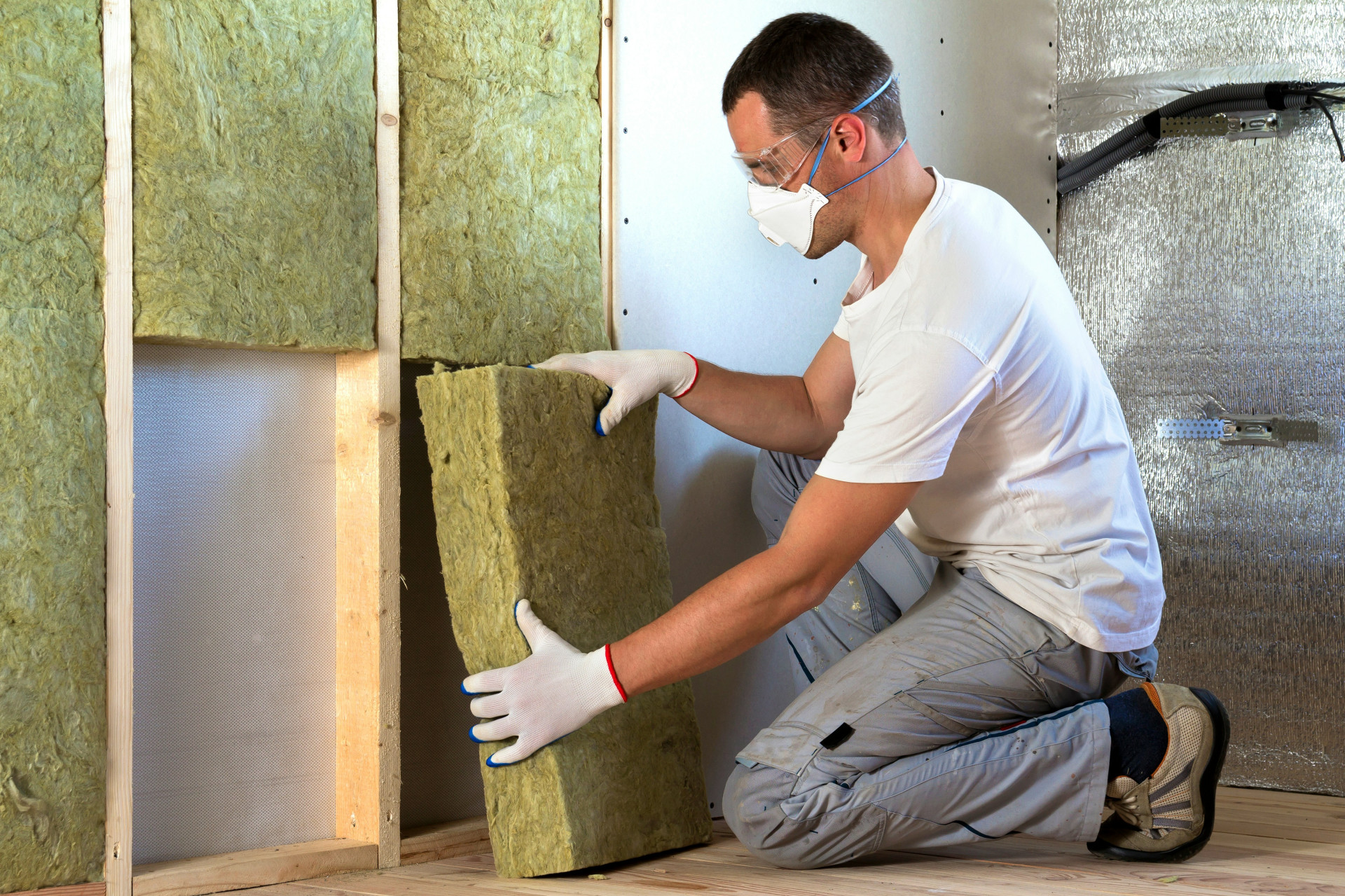
Even small insulation projects around the home can make a big difference — for comfort, energy savings, and the environment. Many homeowners think of insulation as a major renovation, like adding attic insulation or replacing wall cavities, but there are plenty of smaller tasks you can tackle yourself that quickly pay off. At the same time, there’s growing interest in sustainable materials that insulate effectively while reducing environmental impact. Here’s how you can get started.
Why Small Insulation Projects Are Worth It
Tiny gaps and uninsulated areas can lead to significant heat loss and higher energy bills. Drafty windows, cold floors, or exposed pipes all contribute to wasted energy. By addressing these problem spots, you can improve your home’s comfort and efficiency without major construction work. Most of these projects require only basic tools and a bit of time.
Small insulation projects are also a great way to get to know your home better. You’ll learn where heat escapes and how simple improvements can make your living space more energy-efficient.
Sustainable Materials — A Greener Choice
Traditional insulation materials like fiberglass and foam are effective but often energy-intensive to produce and difficult to recycle. Fortunately, there are natural and sustainable alternatives that perform well and are better for the planet. Here are some popular options available in the U.S.:
- Hemp – A fast-growing, renewable plant fiber that provides excellent insulation and moisture regulation. Hemp insulation is carbon-neutral and biodegradable.
- Wood fiber – Made from forestry by-products, wood fiber boards and batts offer good thermal performance and help maintain healthy indoor air quality.
- Sheep’s wool – Naturally fire-resistant and capable of absorbing and releasing moisture without losing its insulating power. It’s also fully compostable.
- Cellulose – Produced from recycled paper treated for fire and mold resistance. It’s one of the most common eco-friendly insulation materials in North America and works well for both small and large projects.
Choosing these materials supports a more circular economy and reduces your carbon footprint — without sacrificing performance.
Three Small Insulation Projects to Start With
1. Sealing Windows and Doors
Drafty windows and doors are among the biggest sources of heat loss. Use weatherstripping made from natural rubber or silicone, which lasts longer and can be recycled. In colder months, you can also apply a temporary window film to reduce drafts and improve comfort.
2. Insulating Pipes and Heating Lines
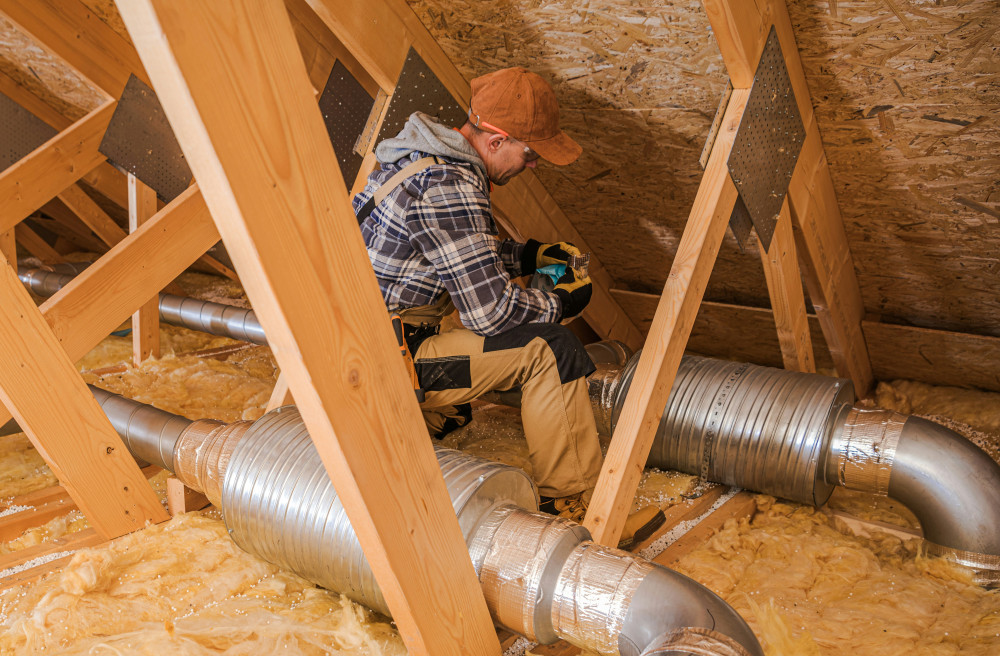
Hot water and heating pipes in basements or crawl spaces often lose heat before it reaches your faucets or radiators. Wrapping them with pipe sleeves made from hemp fiber or recycled foam can save energy and prevent heat loss. It’s a quick project that can be done in an afternoon.
3. Improving Floors and Attics
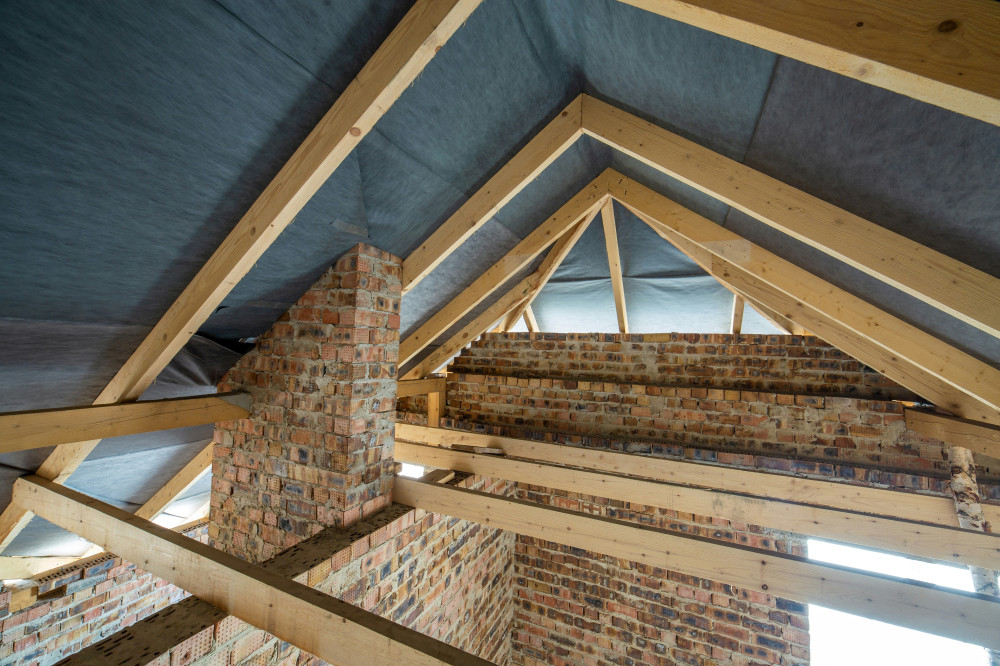
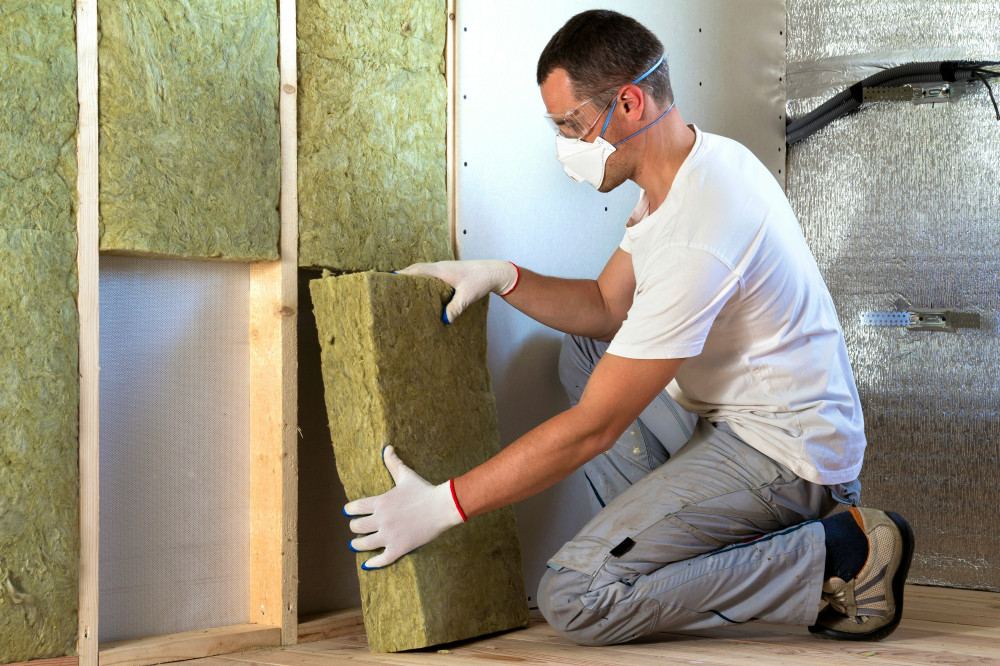
If you have a cold floor above an unheated basement or crawl space, consider adding wood fiber boards or batts underneath. In the attic, laying an extra layer of cellulose insulation between joists is an easy way to boost your home’s overall efficiency.
Læs også:
DIY — But Do It Right
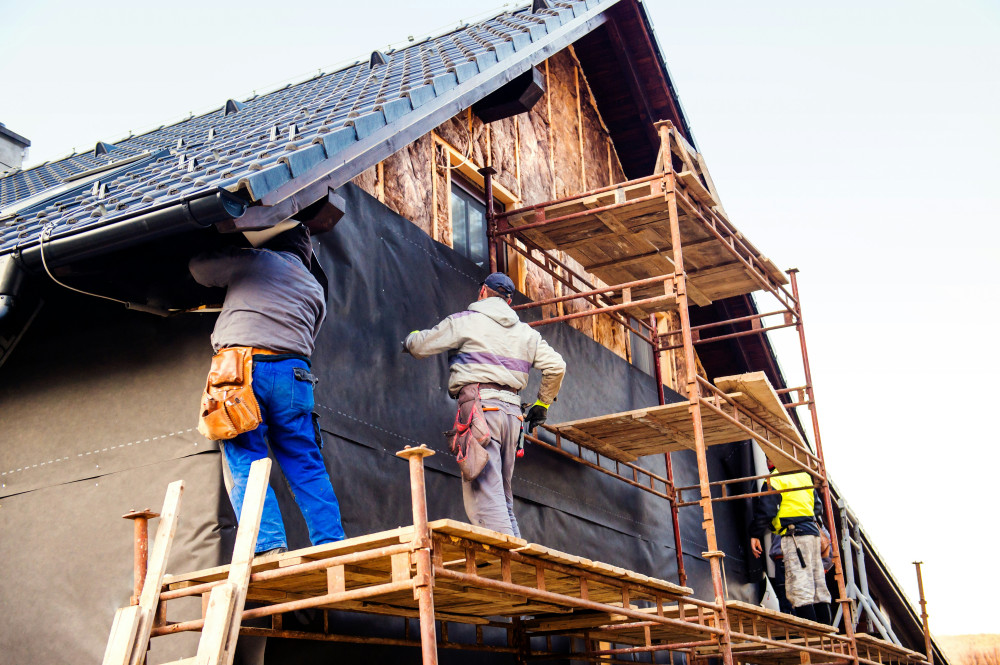
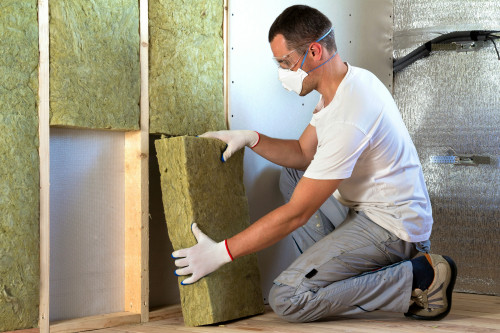
While many insulation projects are suitable for do-it-yourselfers, proper installation is key. Incorrect application can lead to moisture problems or reduced effectiveness. Always follow manufacturer instructions and pay attention to ventilation and vapor barriers, especially when working on exterior walls or attics.
If you’re unsure where to start, consider scheduling a home energy audit. A professional can identify the most cost-effective improvements and help you prioritize your efforts.
An Investment in Comfort and Climate
Small insulation projects are a simple way to take responsibility for both your home and the environment. They don’t require large investments but can deliver noticeable results — lower energy bills, improved comfort, and a smaller environmental footprint.
By choosing sustainable materials, you also support a more responsible building industry that values resource efficiency and waste reduction. It’s a meaningful step toward a greener future — one layer of insulation at a time.
Læs også: