Insulation Requirements and Climate Goals – How They Work Together

Insulation Requirements and Climate Goals – How They Work Together
When Americans think about climate action, the conversation often centers on electric vehicles, renewable energy, and carbon capture. But one of the most powerful tools for reducing emissions is much closer to home—literally. Buildings account for a large share of U.S. energy use and greenhouse gas emissions, and improving insulation is one of the simplest, most cost-effective ways to cut both. Stronger insulation standards are not just about comfort or lower utility bills; they are a key part of meeting national and state climate goals.
Why Insulation Matters for the Climate
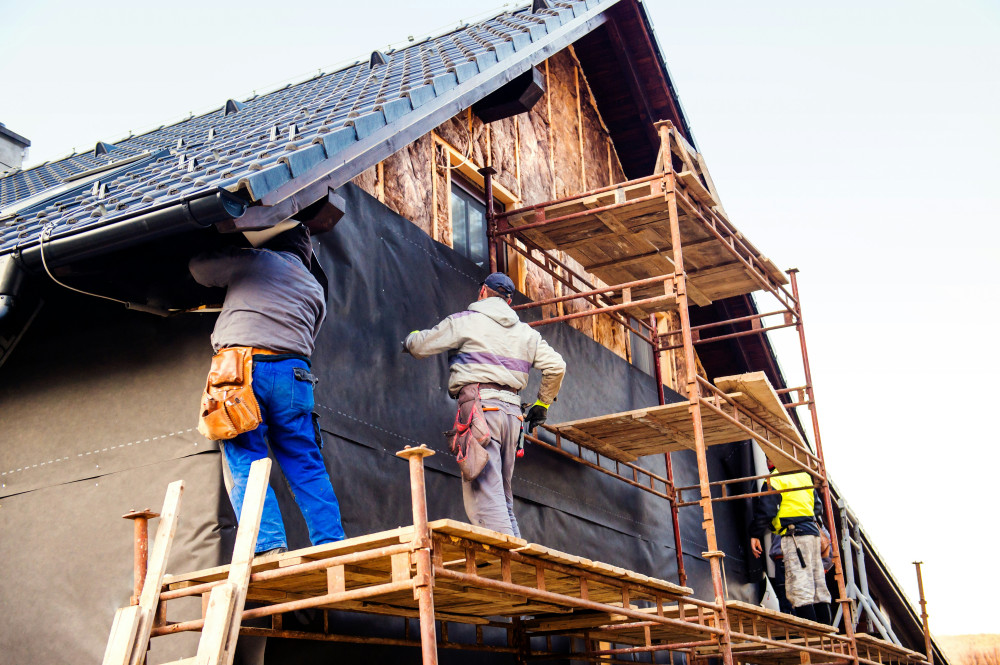
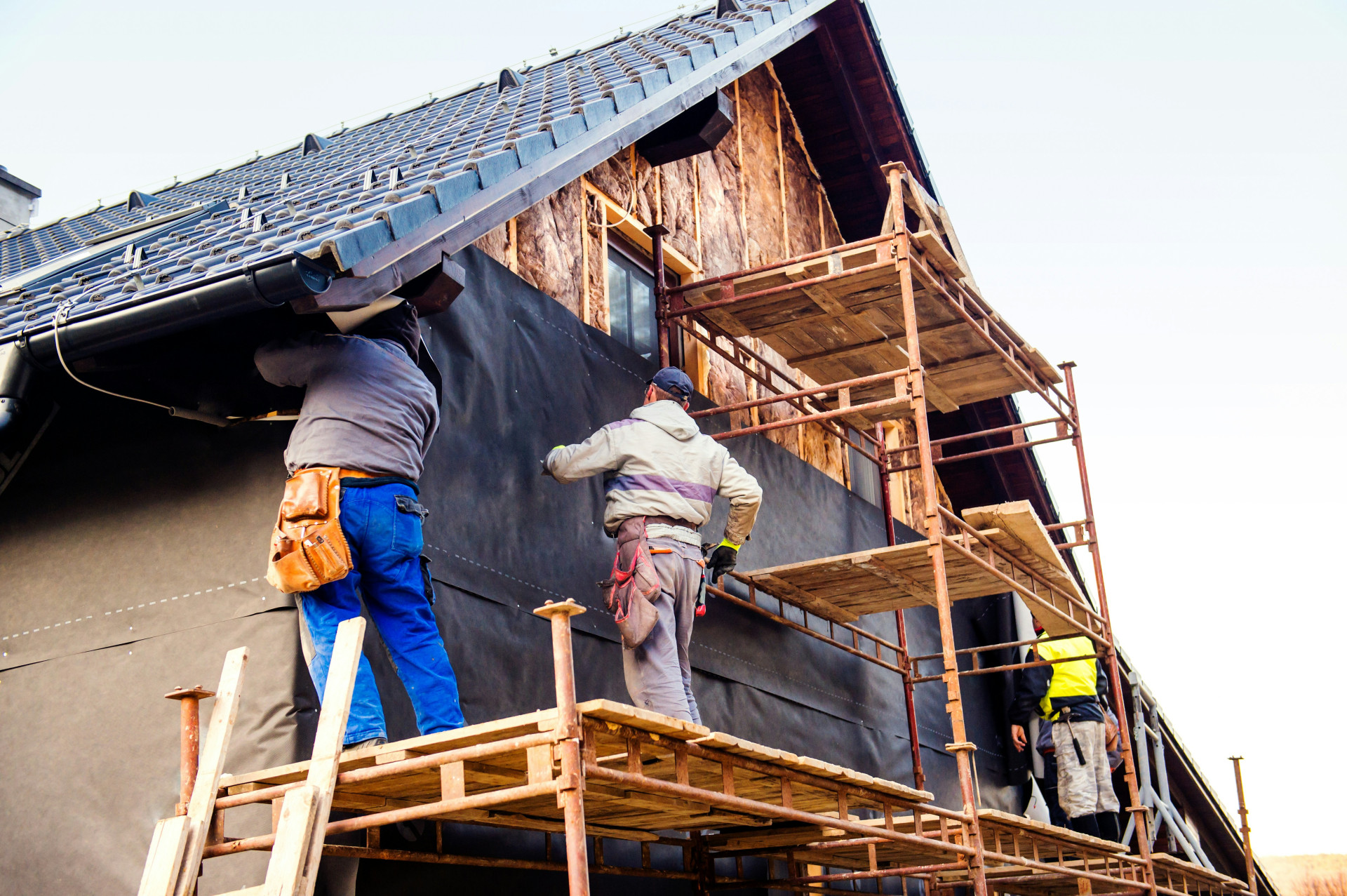
Residential and commercial buildings in the United States consume roughly 40 percent of the nation’s total energy. A significant portion of that energy goes toward heating and cooling. When a building is poorly insulated, much of that energy escapes through walls, roofs, and windows. Better insulation keeps conditioned air inside, reducing the need for heating in winter and cooling in summer.
The result is lower energy consumption, fewer emissions from power plants and furnaces, and a more stable indoor temperature. In fact, improving insulation is often one of the fastest ways to reduce a building’s carbon footprint without major lifestyle changes.
Læs også:
Building Codes and Energy Standards
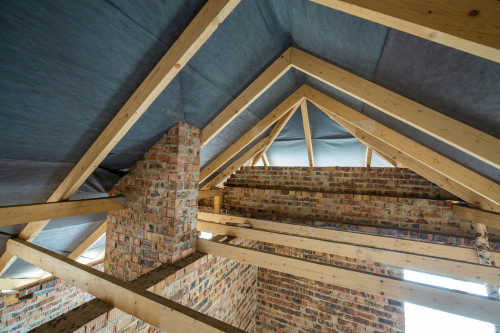
Insulation requirements in the U.S. are primarily set through building energy codes, which are adopted and enforced at the state or local level. The most widely used model is the International Energy Conservation Code (IECC), updated every three years to reflect advances in materials and technology. States can adopt the IECC as written or modify it to fit local conditions.
The U.S. Department of Energy (DOE) provides guidance and encourages states to adopt the latest versions of the code, as newer editions typically improve energy efficiency by 5–10 percent compared to previous ones. For federal buildings, the Energy Independence and Security Act and related regulations set minimum performance standards.
In colder regions—such as the Midwest and Northeast—codes require higher insulation levels (measured by R-value) than in warmer climates like the South or Southwest. This climate-based approach ensures that insulation requirements are both effective and economically reasonable.
Insulation and the Path to Climate Goals
The United States has pledged to cut greenhouse gas emissions by 50–52 percent below 2005 levels by 2030. Achieving that target will require major improvements in energy efficiency across all sectors, including buildings. According to the DOE, energy efficiency measures—especially insulation and air sealing—could deliver up to one-third of the emissions reductions needed to meet national goals.
When buildings use less energy, the demand on the power grid decreases, making it easier to transition to renewable sources like wind and solar. In this way, insulation supports not only individual savings but also the broader decarbonization of the energy system.
At the same time, new materials are emerging that combine high performance with low environmental impact. Products made from cellulose, wood fiber, hemp, or recycled materials are gaining popularity because they insulate effectively while storing carbon or reducing waste.
The Challenge: Balancing Ambition and Practicality
While stronger insulation standards are essential, they also present challenges. Upgrading older buildings can be expensive, and retrofitting historic or multifamily structures requires careful planning. There’s also the need to maintain good indoor air quality—tightening a building’s envelope without proper ventilation can lead to moisture and health issues.
That’s why modern energy codes emphasize a holistic approach: insulation, air sealing, ventilation, and moisture control must all work together. The goal is not just thicker walls, but smarter, healthier, and more sustainable buildings.
What Homeowners Can Do
Even small improvements can make a big difference. Homeowners can consider:
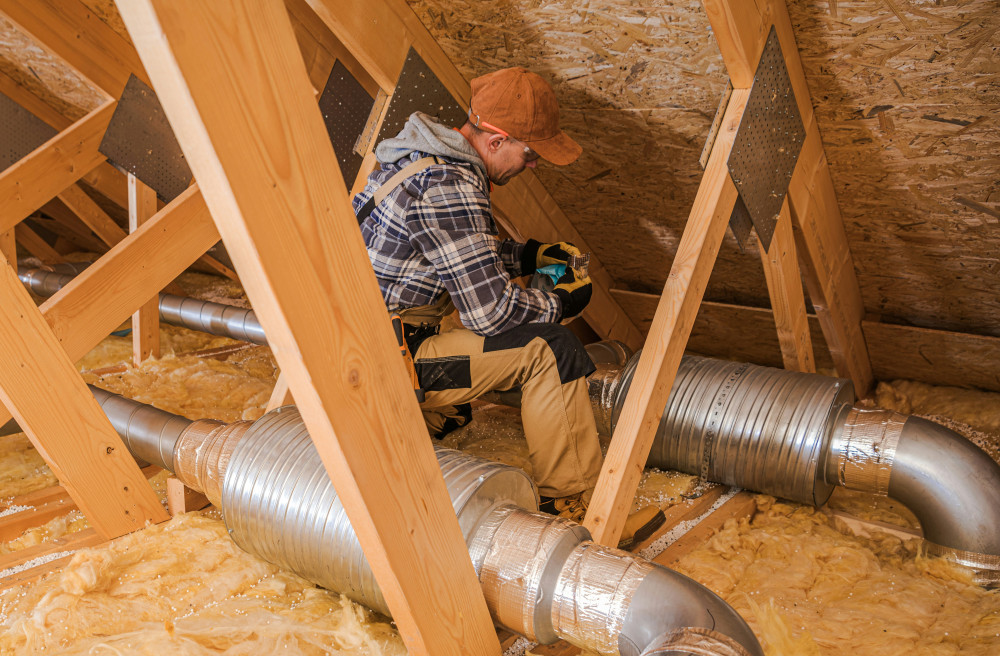
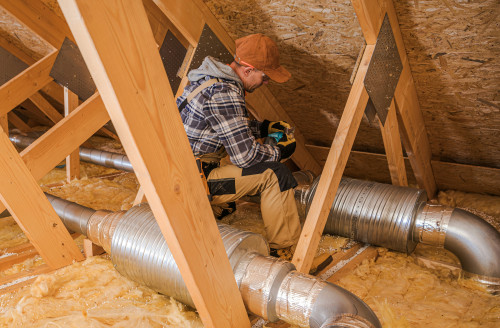
- Adding attic insulation, often the most cost-effective upgrade.
- Sealing air leaks around doors, windows, and ducts.
- Upgrading windows to energy-efficient models.
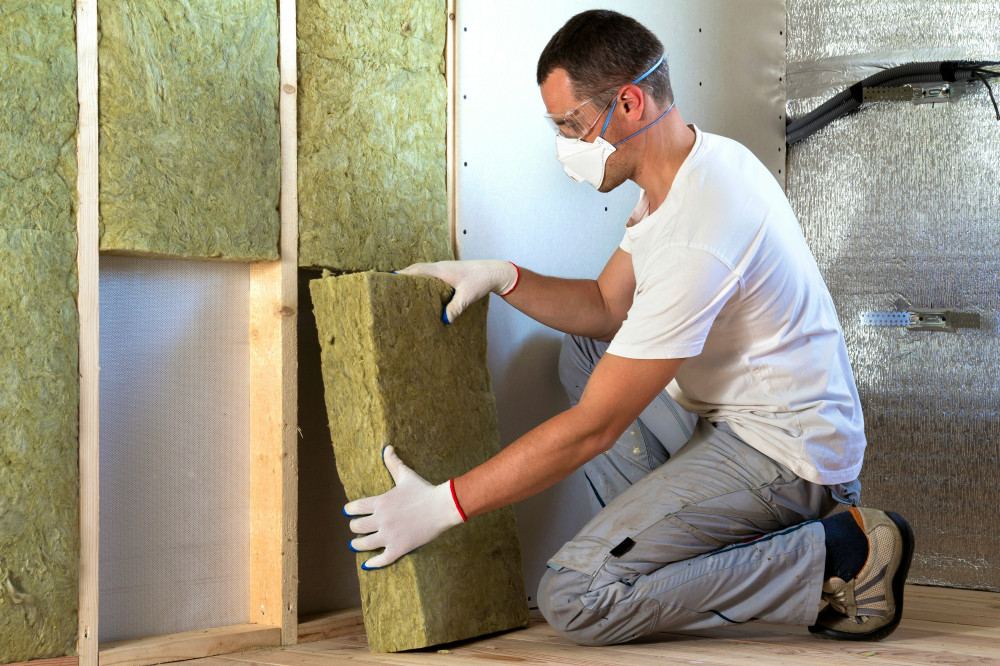
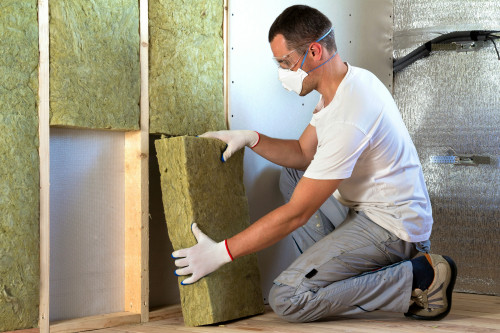
- Insulating walls or basements during renovations.
Federal and state programs, such as the Inflation Reduction Act’s energy efficiency rebates and tax credits, can help offset the cost of these improvements. Many utilities also offer incentives for insulation upgrades.
The Future: Smart Buildings and Circular Materials
As technology advances, insulation will become part of a larger system of intelligent energy management. Smart thermostats, sensors, and building automation can optimize heating and cooling in real time, while new materials are being designed for reuse or recycling at the end of their life cycle.
The long-term vision is clear: buildings that not only consume less energy but also contribute to a circular, low-carbon economy.
Insulation as a Key to Climate Progress
Insulation may not grab headlines like solar farms or electric cars, but it is one of the most effective tools for cutting emissions quickly and affordably. Every well-insulated home or office brings the United States a step closer to its climate goals.
Improving insulation isn’t just about saving money—it’s about building and living in ways that respect the planet and secure a sustainable future for generations to come.
Læs også: