Ceiling Height and Heat Distribution – How Room Height Affects Temperature

Ceiling Height and Heat Distribution – How Room Height Affects Temperature
When we think about indoor comfort and energy efficiency, most people focus on insulation, windows, and heating systems. But the height of a room also plays a key role in how heat is distributed—and how comfortable a space feels. High ceilings can make a room feel open and airy, but they can also cause warm air to collect where no one spends time. Let’s take a closer look at how ceiling height affects temperature and what you can do to make the most of your home’s heat.
Warm Air Rises – But What Does That Mean for Your Home?
It’s a basic principle of physics: warm air rises, while cooler air sinks. In rooms with high ceilings, this means the temperature near the ceiling is often several degrees warmer than at floor level. Without proper air circulation, that difference can be significant.
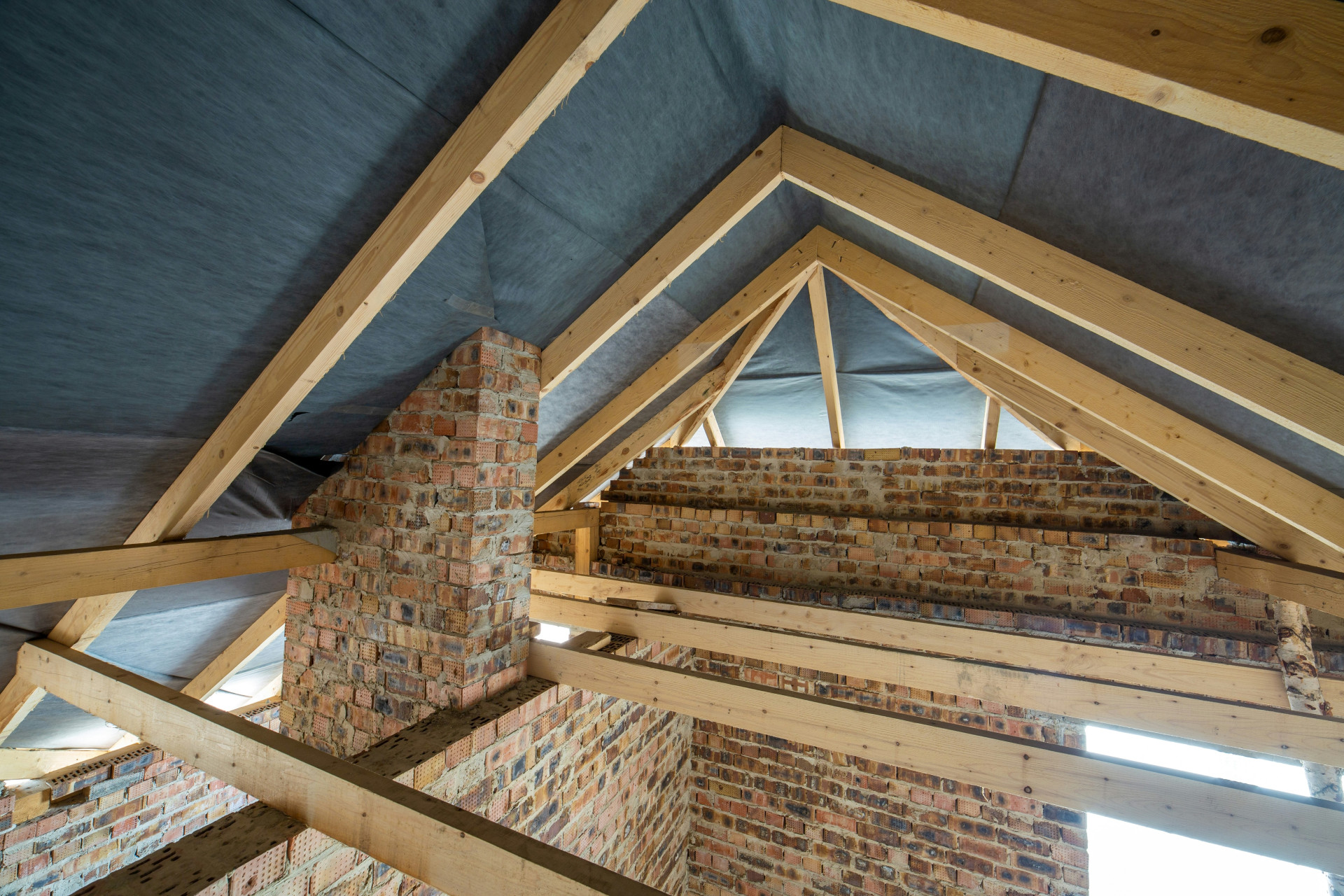
In a room with a standard 8-foot ceiling, the variation is usually minor. But in spaces with 10-foot ceilings or vaulted designs, you may notice that your feet feel cold even when the thermostat reads a comfortable temperature. This often leads homeowners to turn up the heat, which increases energy use and utility bills.
High Ceilings – Beautiful but Energy-Demanding
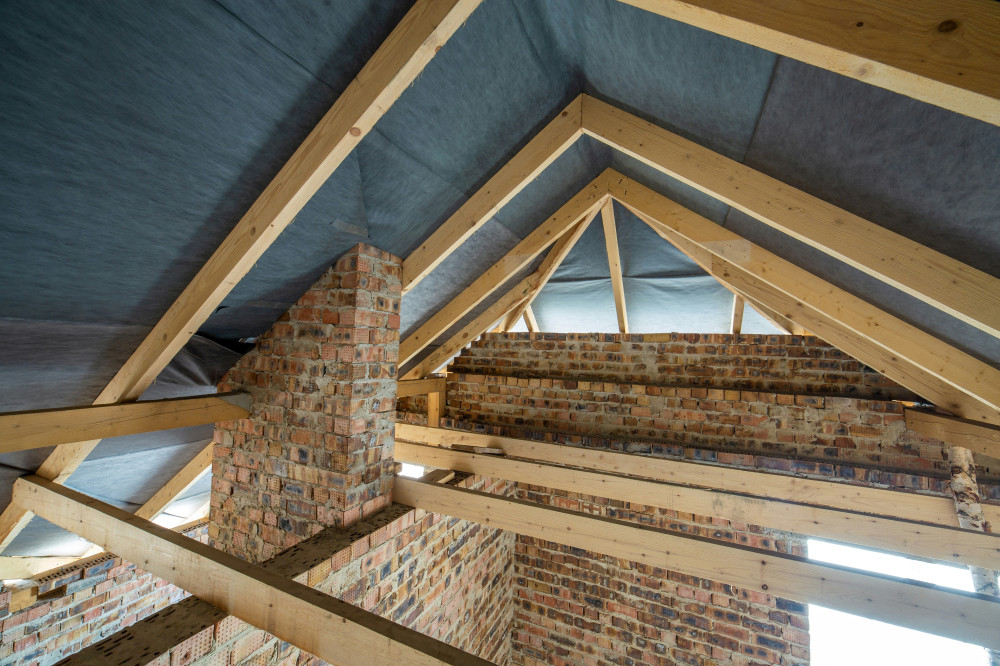
Many older homes, loft apartments, and modern houses with open floor plans feature high or vaulted ceilings. They create a sense of spaciousness and allow for dramatic design elements, but they also mean there’s more air volume to heat. The result: higher energy consumption and uneven warmth.
To make these spaces more efficient, it’s worth considering ways to bring the warm air back down where it’s needed. Ceiling fans are a simple and effective solution—they can be set to rotate clockwise at a low speed during winter to push warm air downward. Other options include radiant floor heating or strategically placed vents and registers that promote better air mixing.
Lower Ceilings – Efficient and Cozy
Homes with lower ceilings, typically around 8 feet, tend to heat more efficiently. There’s less air to warm, and the temperature stays more consistent from floor to ceiling. This often translates to lower heating costs and a more stable indoor climate.
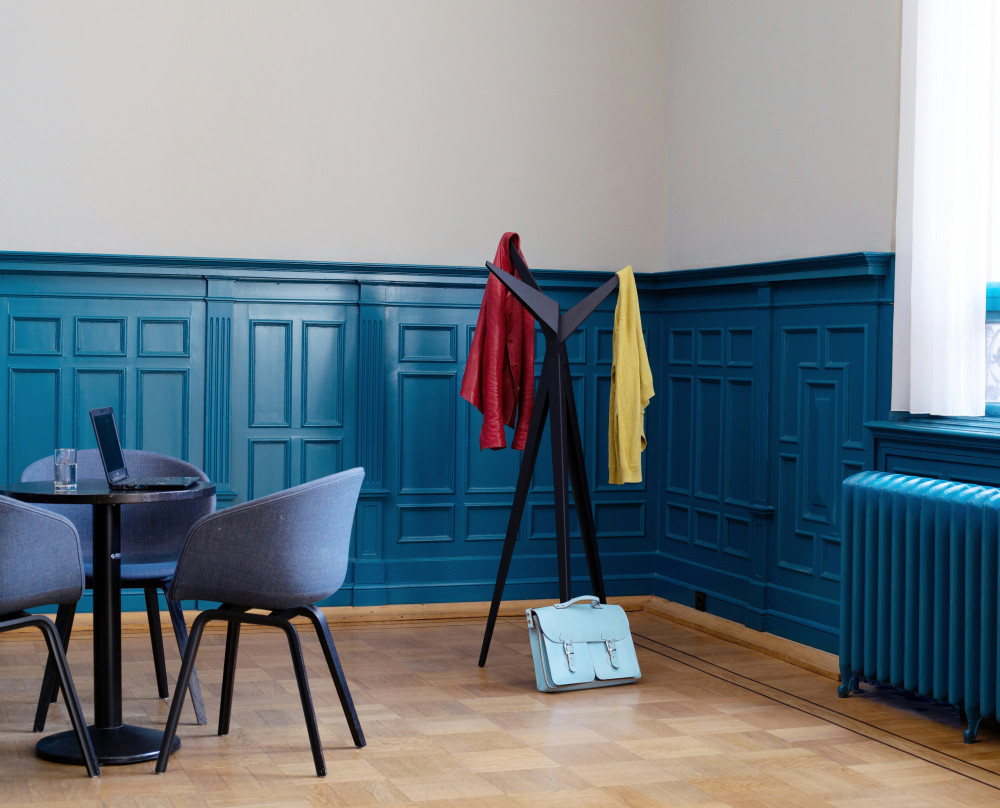
However, lower ceilings can sometimes make small rooms feel confined. The key is to balance aesthetics and functionality—using light colors, good lighting, and thoughtful design to maintain a sense of openness while benefiting from efficient heating.
Tips for Improving Heat Distribution in High-Ceiling Rooms
If your home has high ceilings, there are several ways to improve comfort and reduce energy waste:
- Use a ceiling fan – Run it clockwise on a low setting in winter to push warm air down.
- Install radiant floor heating – It provides even warmth and makes the most of your energy.
- Create heating zones – Focus on warming the areas you use most instead of the entire space.
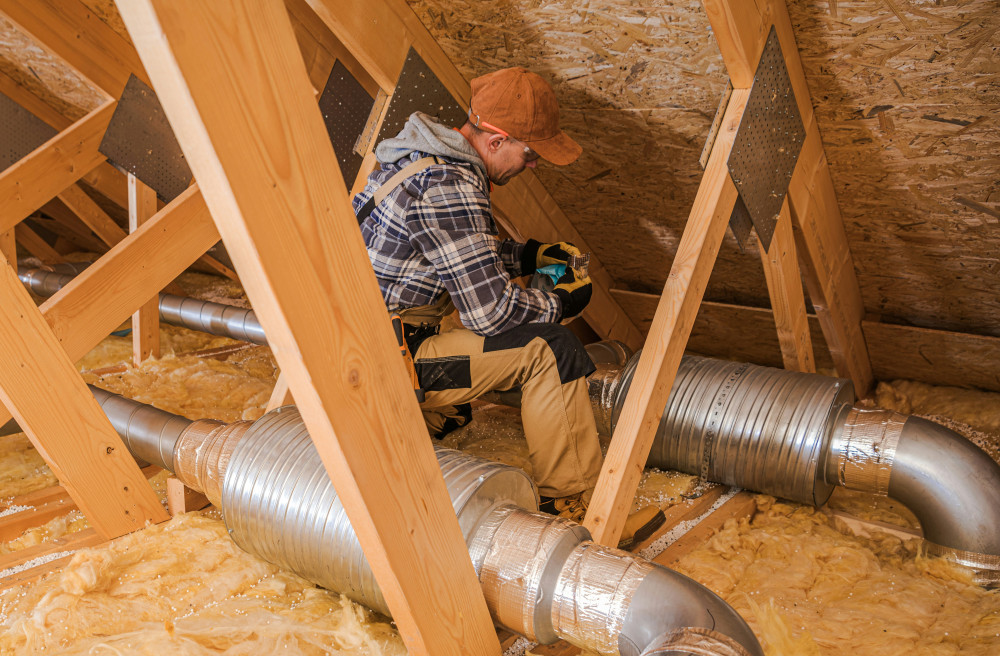
- Improve insulation – Well-insulated ceilings and walls help maintain a stable temperature.
- Add curtains or room dividers – They can help retain heat in the areas where you spend the most time.
Even small adjustments can make a noticeable difference in both comfort and energy efficiency.
Læs også:


Ceiling Height and Ventilation Go Hand in Hand
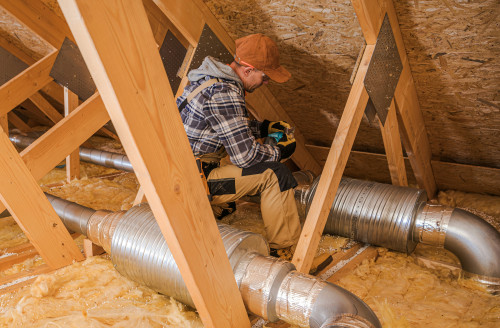
High-ceilinged rooms also require special attention to ventilation. When warm air collects near the ceiling, it can lead to dry air and poor circulation. Balanced ventilation systems, such as those with heat recovery, can help distribute air more evenly and maintain a healthy indoor environment.
In summer, high ceilings can trap heat near the top of the room. Natural ventilation—like opening clerestory or skylight windows—can help release excess heat and keep the space comfortable.
Finding the Right Balance Between Comfort and Energy Use
Ceiling height isn’t something you can easily change, but understanding its impact can help you make smarter choices about heating and ventilation. High ceilings offer beauty and openness but require thoughtful management to avoid wasted energy. Lower ceilings are more efficient but may need creative design to feel spacious.
No matter your ceiling height, the goal is the same: to create a home that feels comfortable year-round while using energy wisely—for the benefit of both your comfort and the environment.
Læs også: