When Is the Best Time to Repair Your Roof?

When Is the Best Time to Repair Your Roof?
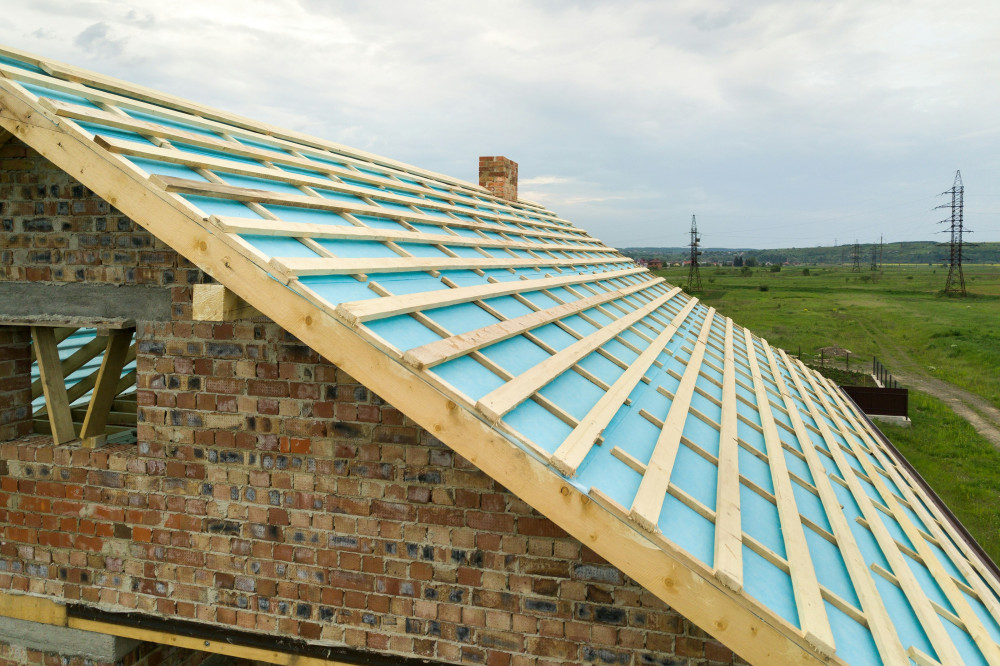
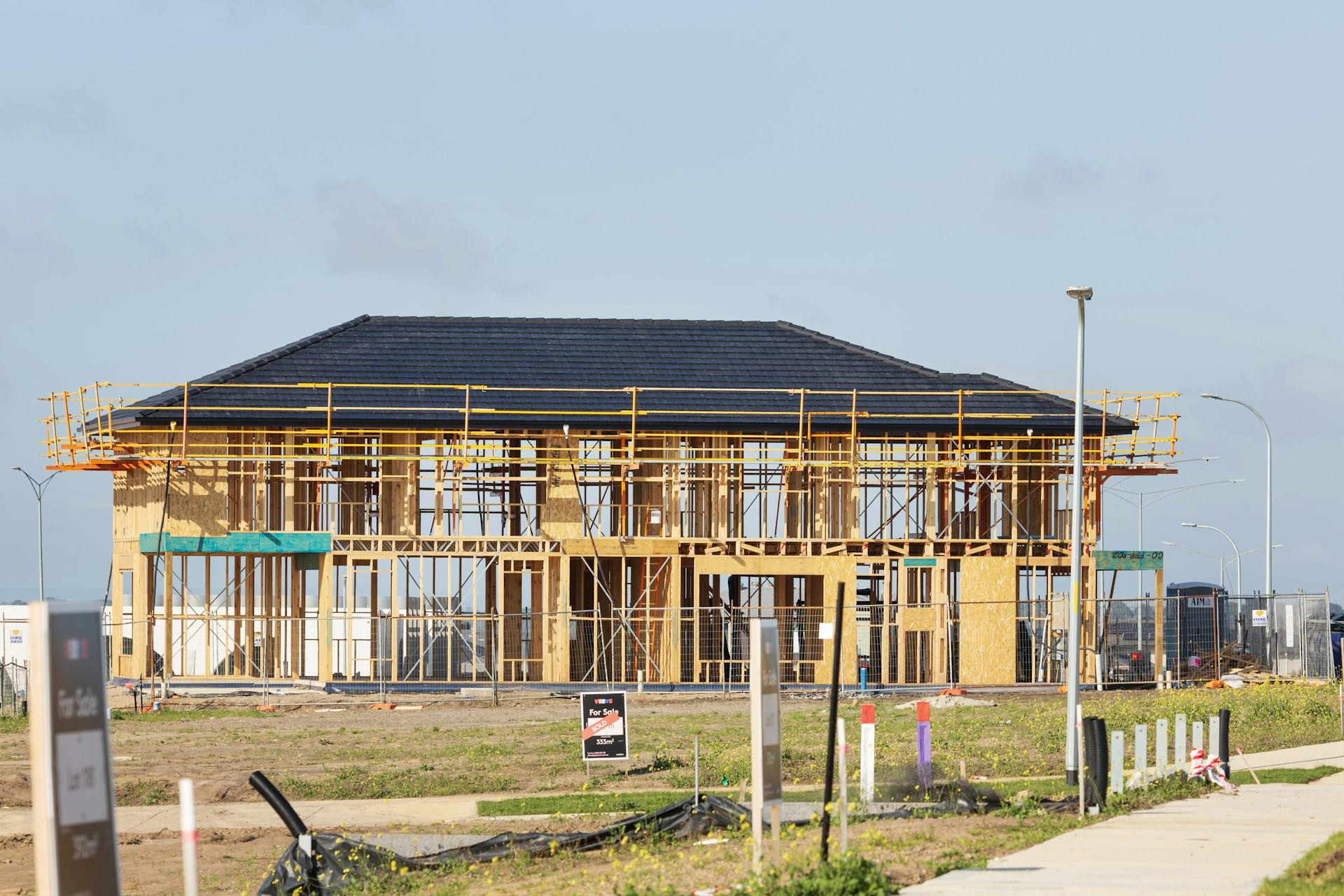
A strong, well-maintained roof is one of the most important parts of a safe and comfortable home. But when is the right time to take care of repairs? Many homeowners wait until leaks or visible damage appear, but acting sooner can save both time and money. The season, weather conditions, and the roof’s overall condition all play a role in determining the best time for the job. Here’s a guide to help you plan your roof repair for the best results and fewer headaches.
Spring and Fall – The Ideal Seasons
Most roofing professionals in the U.S. recommend scheduling repairs in the spring or fall. During these seasons, temperatures are moderate, and weather patterns are generally more predictable than in the heat of summer or the cold of winter. This makes it easier for roofing materials—such as shingles, sealants, and adhesives—to set properly and ensures a higher-quality finish.
- Spring is perfect for addressing damage caused by winter weather. Snow, ice, and freezing temperatures can loosen shingles or create small cracks. A thorough inspection in March or April can catch these issues before they worsen.
- Fall is ideal for preparing your roof for the colder months ahead. It’s a good time to check for loose shingles, clogged gutters, and worn flashing so your home is ready for rain, wind, and snow.
Summer – Best for Major Projects
If you’re planning a full roof replacement or a large-scale renovation, summer can be a good time to schedule it. Longer daylight hours and generally dry conditions make it easier to complete big projects efficiently. However, extreme heat—especially in southern or southwestern states—can make working conditions difficult and affect how materials perform.
To avoid these issues, aim for early summer or late summer when temperatures are warm but not excessively hot. In northern regions, mid-summer may still be comfortable for roofing work.
Avoid Winter if Possible
Winter is rarely the best time for roof repairs. Cold temperatures, snow, and ice make the work more dangerous and can prevent materials from sealing or curing properly. In most parts of the U.S., roofing work in winter should be limited to emergency repairs, such as fixing leaks or storm damage. If winter work is unavoidable, make sure it’s done by professionals with the right equipment and safety measures.
When repairs must be done in cold weather, materials should be stored in a warm, dry place, and work should be scheduled for days when temperatures are above freezing.
Inspect Your Roof Regularly
No matter the season, it’s smart to inspect your roof at least twice a year—typically in spring and fall. Look for:
- Cracked, curled, or missing shingles
- Moss or algae growth that traps moisture
- Leaks or water stains in the attic or ceiling
- Damaged flashing around chimneys, vents, or skylights
- Clogged gutters or downspouts
Catching small problems early can prevent costly repairs later. A minor leak or loose shingle can quickly turn into a major issue if left unchecked.
Læs også:
Plan Ahead
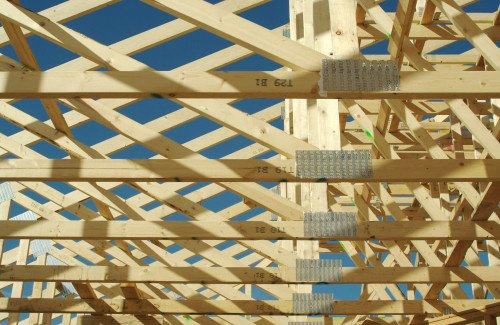
Roofing projects often require advance planning. During peak seasons—especially spring and summer—roofing contractors can be booked weeks or even months in advance. Contact a roofer early, get multiple estimates, and make sure the contractor is licensed, insured, and experienced with your type of roof.
If you’re handling small repairs yourself, always prioritize safety. Use a sturdy ladder, wear slip-resistant shoes, and consider using a safety harness if your roof is steep.
A Healthy Roof Starts with Timely Maintenance
The best time to repair your roof is before damage becomes serious. By scheduling work in spring or fall, keeping up with regular inspections, and addressing small issues promptly, you can extend your roof’s lifespan and protect your home from costly water damage. A little planning and preventive care go a long way toward keeping your home safe, dry, and comfortable all year long.
Læs også: