Preserve Your Home’s Character with Roofing Felt in the Renovation

Preserve Your Home’s Character with Roofing Felt in the Renovation
When it’s time to renovate your roof, homeowners often face a key decision: should you preserve the home’s original look or switch to a completely new material? For many older American homes—especially mid-century modern houses, bungalows, and flat-roofed structures—roofing felt is an excellent choice. It’s not only practical and durable but also helps maintain the architectural integrity and visual balance of your home.
A Material with History and Versatility
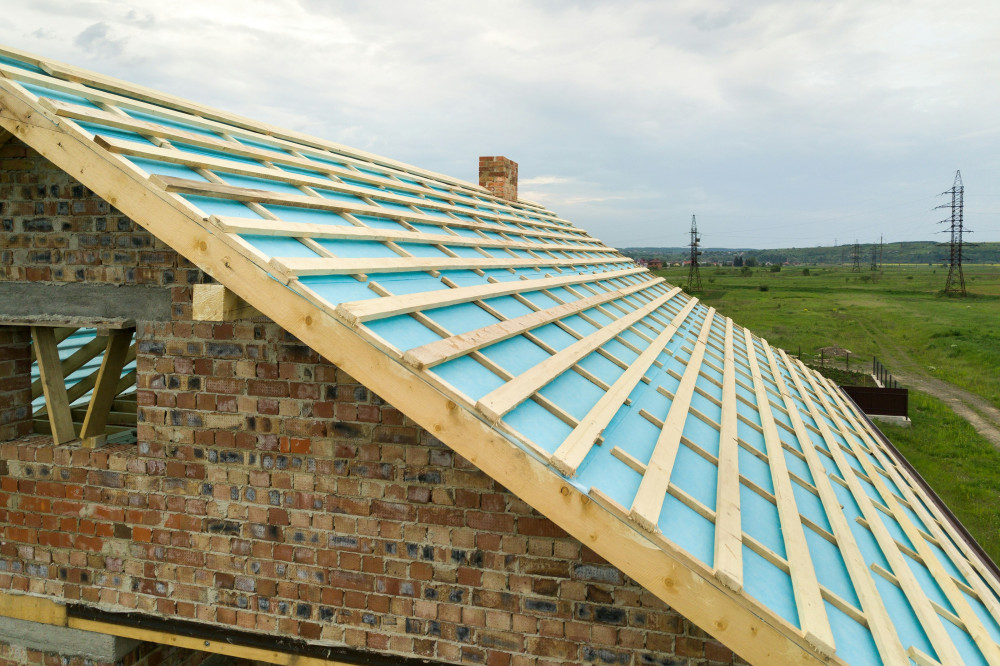
Roofing felt has been used in the United States for more than a century, evolving significantly since the early tar paper days. Modern versions are made with advanced bitumen or synthetic materials that are more durable, weather-resistant, and environmentally conscious than ever before.
One of the greatest advantages of roofing felt is its flexibility. It can be applied to nearly any roof shape—from flat and low-slope roofs to more complex designs with skylights or dormers. This makes it ideal for renovations where you want to preserve the home’s original lines without altering its proportions or roof pitch.
Preserve the Architectural Expression
In many American neighborhoods, especially those with mid-century or minimalist architecture, the roof plays a subtle but crucial role in defining the home’s character. A dark, matte roofing felt surface complements wood, brick, and stucco exteriors, allowing the home’s form to shine rather than the roofing material itself. This understated quality is something architects and preservationists often value highly.
When renovating older modernist homes or 1960s and 1970s buildings, roofing felt can help maintain the original design language. Switching to shingles or metal panels might drastically change the home’s appearance. That’s why many homeowners choose to stay with roofing felt—not out of nostalgia, but because it fits the home’s architectural DNA.
Modern Roofing Felt – More Than Just Black
While classic black roofing felt remains the most common, today’s products come in a variety of colors and textures. Some manufacturers offer gray, green, or brown tones, as well as smooth or slate-textured finishes. This allows you to create a roof that respects your home’s style while adding a contemporary touch.
Roofing felt can also be combined with green roof systems, where sedum plants or mosses grow directly on the surface. This approach improves insulation, reduces stormwater runoff, and adds a beautiful, living element to your home—especially appealing for additions, garages, or garden studios.
Læs også:
Durability and Maintenance
A modern roofing felt roof can last 30 to 40 years when properly installed and maintained. The key is to hire a professional roofer experienced with low-slope or flat roofing systems, as the quality of seams and waterproofing is essential for long-term performance.
Maintenance is straightforward: remove leaves and debris a few times a year, and inspect for cracks or loose edges. Many homeowners schedule a professional inspection every five years to ensure the roof remains watertight and visually appealing.
An Investment in Both Aesthetics and Function
Choosing roofing felt for your renovation gives you a roof that not only protects your home effectively but also preserves its original character. It’s a solution that blends tradition with modern technology—suitable for both classic and contemporary architecture.
A roof is more than just a functional necessity; it’s a defining feature of your home’s identity. With roofing felt, you can ensure your renovation honors the past while providing lasting protection for the future.
Læs også: