Green Roofs – A Sustainable Solution to Future Climate Change

Green Roofs – A Sustainable Solution to Future Climate Change
American cities are growing rapidly, and climate change is putting new pressure on how we design and maintain our built environment. Urban heat islands, heavy rainfall, and rising energy demands challenge both our comfort and our infrastructure. One promising response gaining traction across the United States is the use of green roofs—rooftops covered with vegetation that not only beautify cityscapes but also help mitigate the effects of climate change.
What Is a Green Roof?
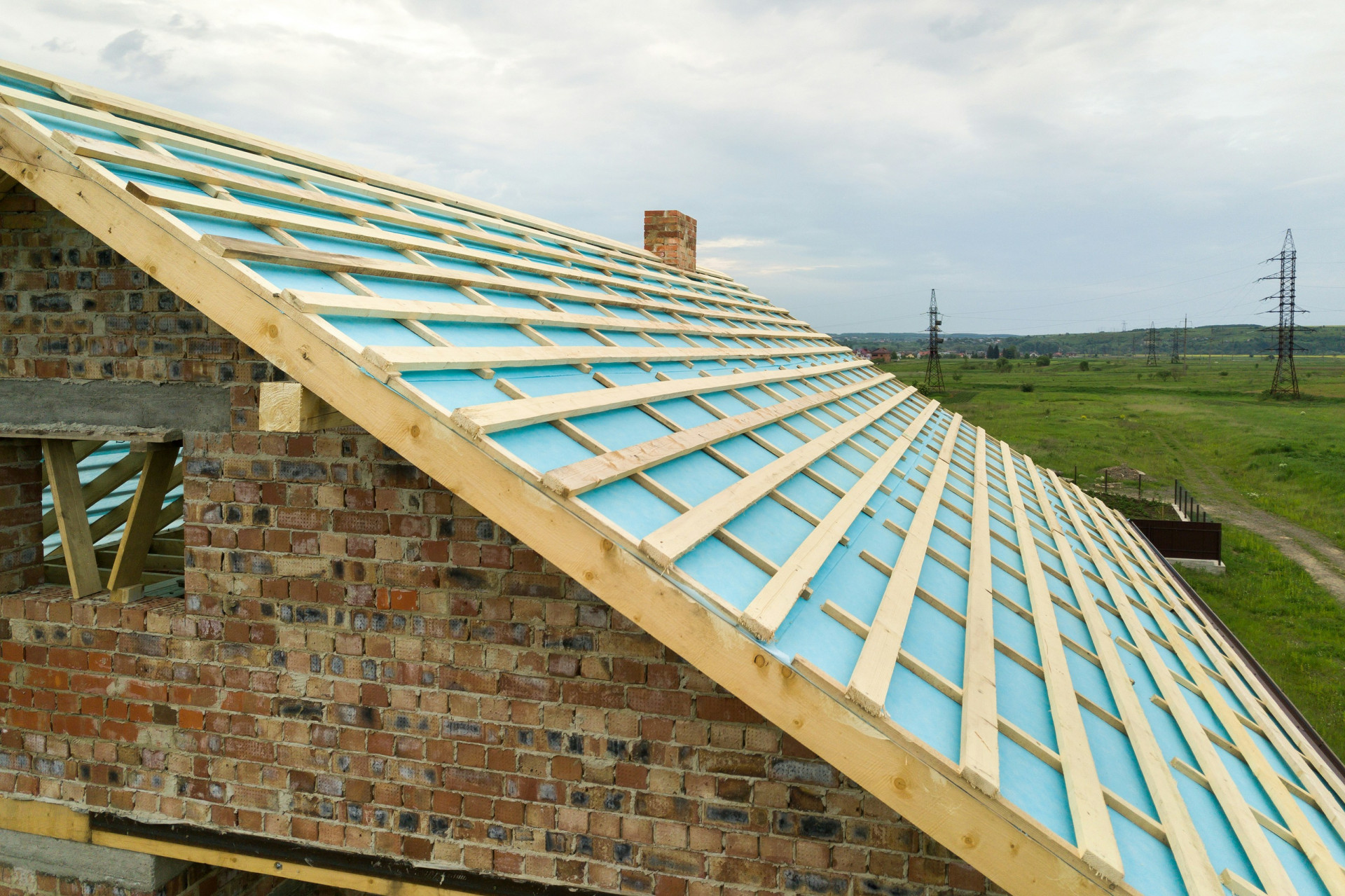
A green roof is a roof surface covered with plants—often sedum, grasses, herbs, or mosses—rooted in a specially designed growing medium layered over waterproofing and drainage systems. There are two main types:
- Extensive green roofs – lightweight systems with shallow soil and hardy plants that require little maintenance. They are ideal for flat or gently sloped roofs.
- Intensive green roofs – deeper, garden-like systems that can support shrubs, flowers, and even small trees. These require more care and a stronger roof structure.
Both types contribute to sustainability, though in different ways and at different scales.
Climate Benefits: From Stormwater to Cleaner Air
Green roofs are more than just attractive—they are functional climate tools. They can retain 50–80% of the rainwater that falls on them, releasing the rest slowly into drainage systems. This helps prevent flooding and reduces pressure on urban stormwater infrastructure, a growing concern in cities like New York, Chicago, and Houston.
The plants also absorb carbon dioxide and filter airborne pollutants, improving air quality. In addition, green roofs act as natural insulation: they keep buildings cooler in summer and reduce heat loss in winter. This leads to lower energy consumption and more comfortable indoor environments.
Urban Oases and Biodiversity
In dense urban areas where green space is limited, green roofs create new habitats for pollinators, birds, and insects. They enhance biodiversity and can serve as small ecosystems high above the streets.
For residents and workers, access to green roofs provides psychological and aesthetic benefits. Studies show that exposure to greenery—whether through direct contact or simply by looking out a window—reduces stress and improves well-being.
Economic Value and Longevity
While installing a green roof typically costs more upfront than a conventional roof, the investment often pays off over time. The added insulation reduces heating and cooling costs, and the vegetation protects the roof membrane from UV radiation and temperature fluctuations, potentially doubling its lifespan.
Many U.S. cities, including Portland, Seattle, and Washington, D.C., offer incentives such as tax credits, grants, or stormwater fee reductions for green roof installations. These programs recognize the public benefits of green roofs and make them more financially attractive for property owners.
Getting Started
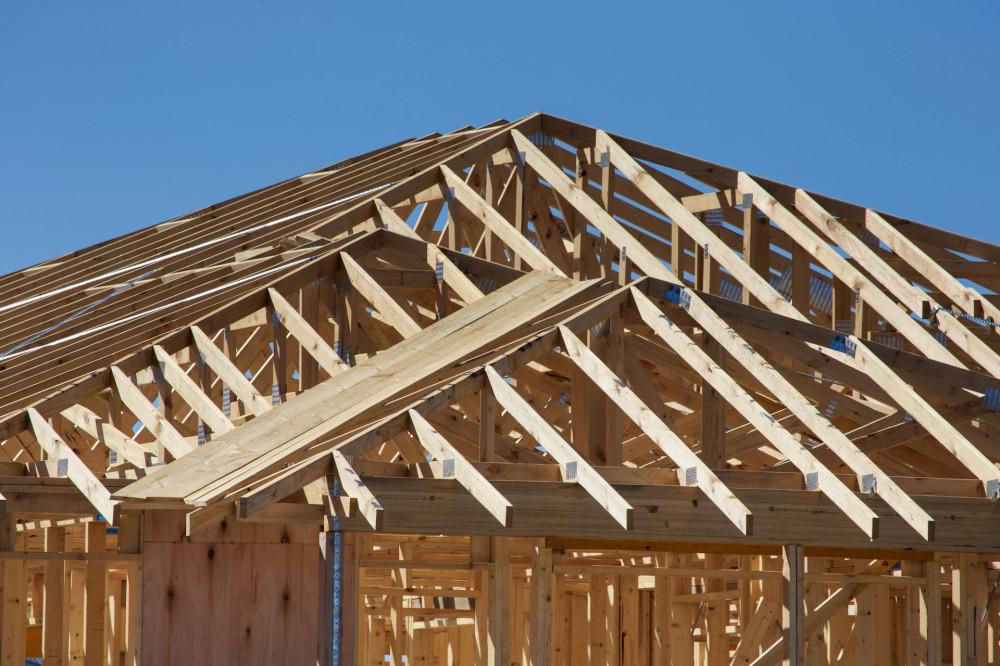
If you’re considering a green roof, start with a professional assessment of your building’s structure and slope. A roofing specialist or green roof consultant can help determine the best system for your needs.
- Check the load capacity: Can your roof support the weight of soil and plants, especially when saturated with water?
- Choose suitable plants: Drought-tolerant species like sedum are popular for their resilience and low maintenance.
- Plan for maintenance: Extensive roofs need only occasional inspections, while intensive roofs require regular gardening.
- Integrate water management: Combine your green roof with rain barrels or permeable landscaping for a comprehensive sustainability strategy.
Læs også:
Part of the Cities of the Future
Green roofs are no longer limited to high-end architectural projects. They are becoming a standard feature in sustainable urban design—from municipal buildings and schools to apartment complexes and corporate offices.
As the United States faces the realities of climate change, green roofs offer a tangible, effective way to adapt. They merge beauty, functionality, and environmental responsibility—helping to create cities that are greener, healthier, and more resilient for generations to come.
Læs også: