Reusing Materials in Masonry Insulation Retrofits – Sustainable and Cost-Effective

Reusing Materials in Masonry Insulation Retrofits – Sustainable and Cost-Effective
Improving the energy efficiency of existing buildings is one of the most effective ways to reduce energy consumption and carbon emissions in the U.S. construction sector. Masonry insulation retrofits—adding or upgrading insulation in brick or block walls—can significantly cut heating and cooling costs. But as sustainability becomes a central concern in both residential and commercial construction, more attention is being paid to how existing materials can be reused rather than replaced. This approach not only benefits the environment but can also make financial sense for property owners and contractors alike.
Why Reuse Makes Sense
When retrofitting masonry walls, builders often face a choice: remove and replace old materials or preserve and reuse them. Reusing bricks, mortar, and even insulation can dramatically reduce construction waste and the demand for new raw materials. Manufacturing new bricks and cement is energy-intensive and produces substantial CO₂ emissions, so extending the life of existing materials helps lower the project’s overall carbon footprint.
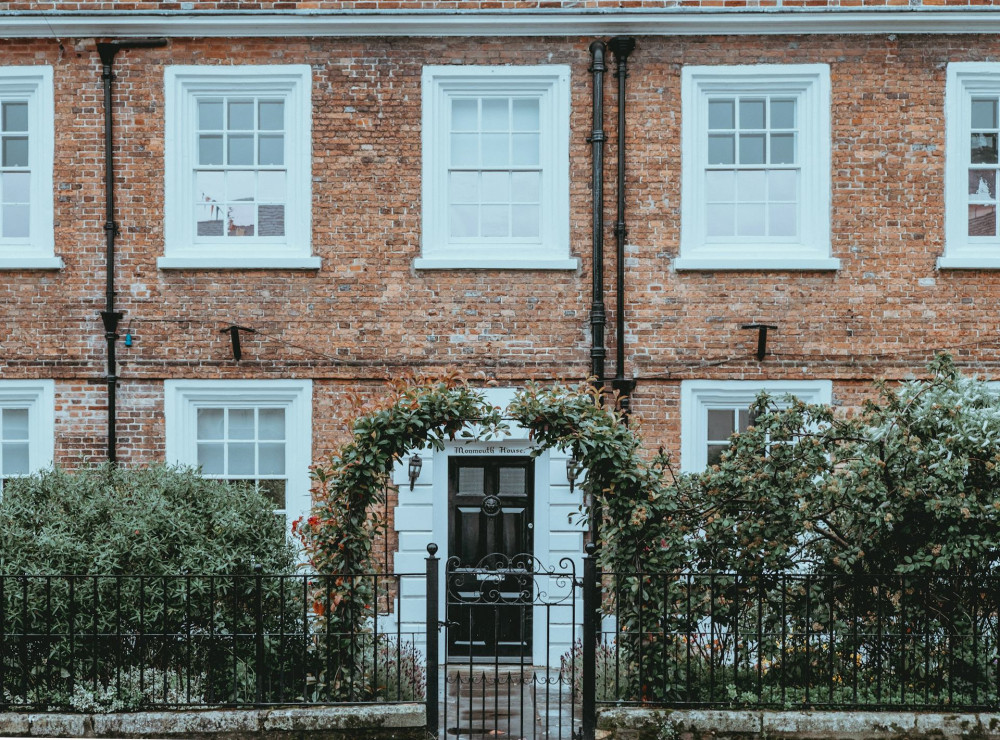
In addition, reusing original materials can help maintain the architectural character of older buildings. Many American cities have historic masonry homes and commercial structures where preserving the original façade is both an aesthetic and cultural priority. Reusing materials allows for energy upgrades without compromising heritage value.
Læs også:
Practical Ways to Reuse Materials
Reusing materials in masonry retrofits requires careful planning and assessment of their condition. Here are some common strategies:
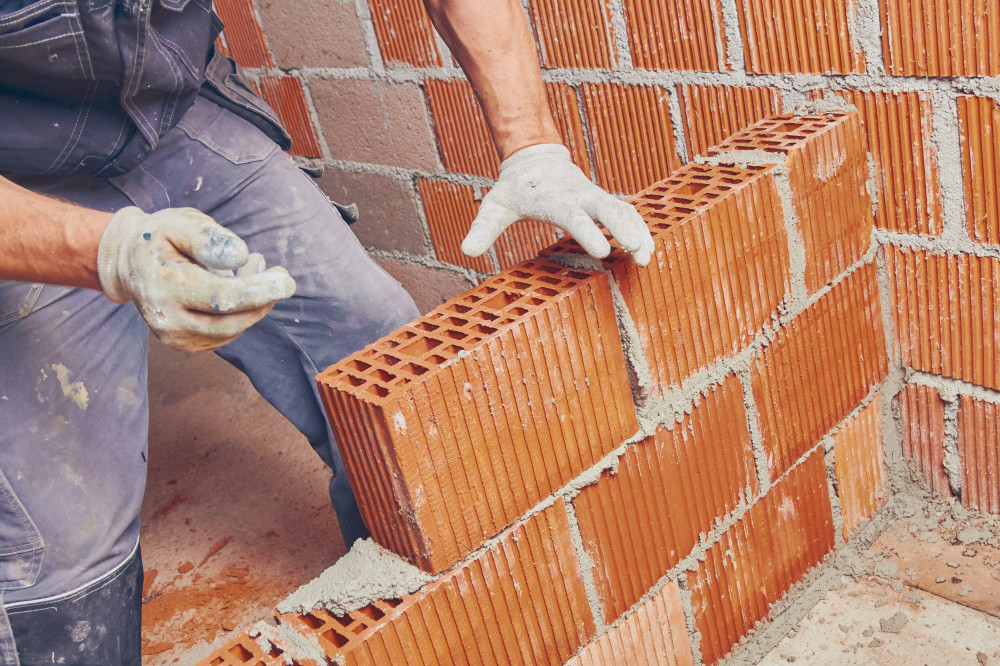
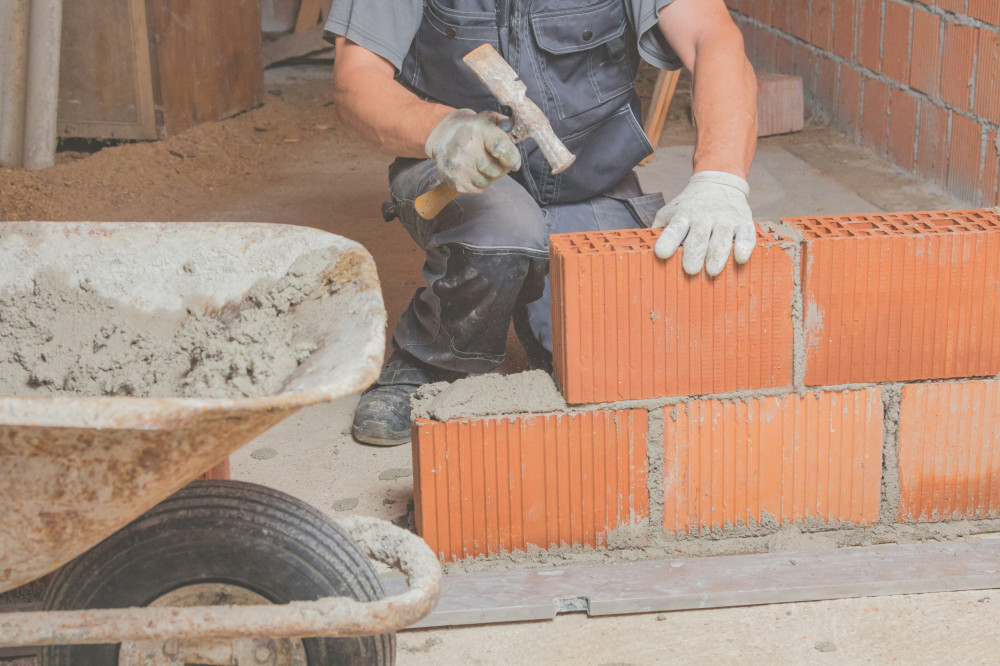
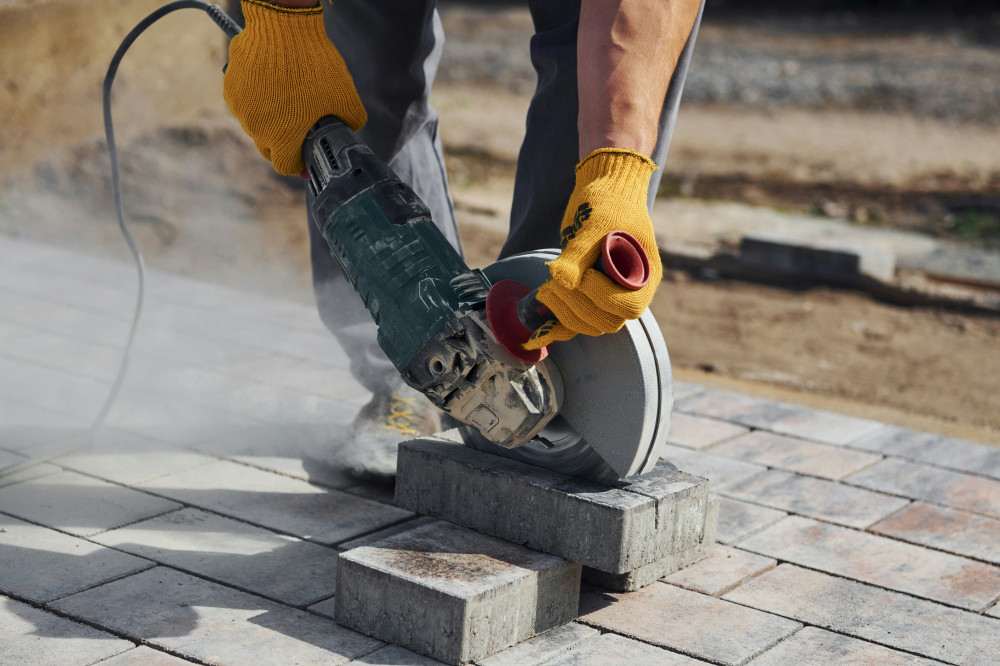
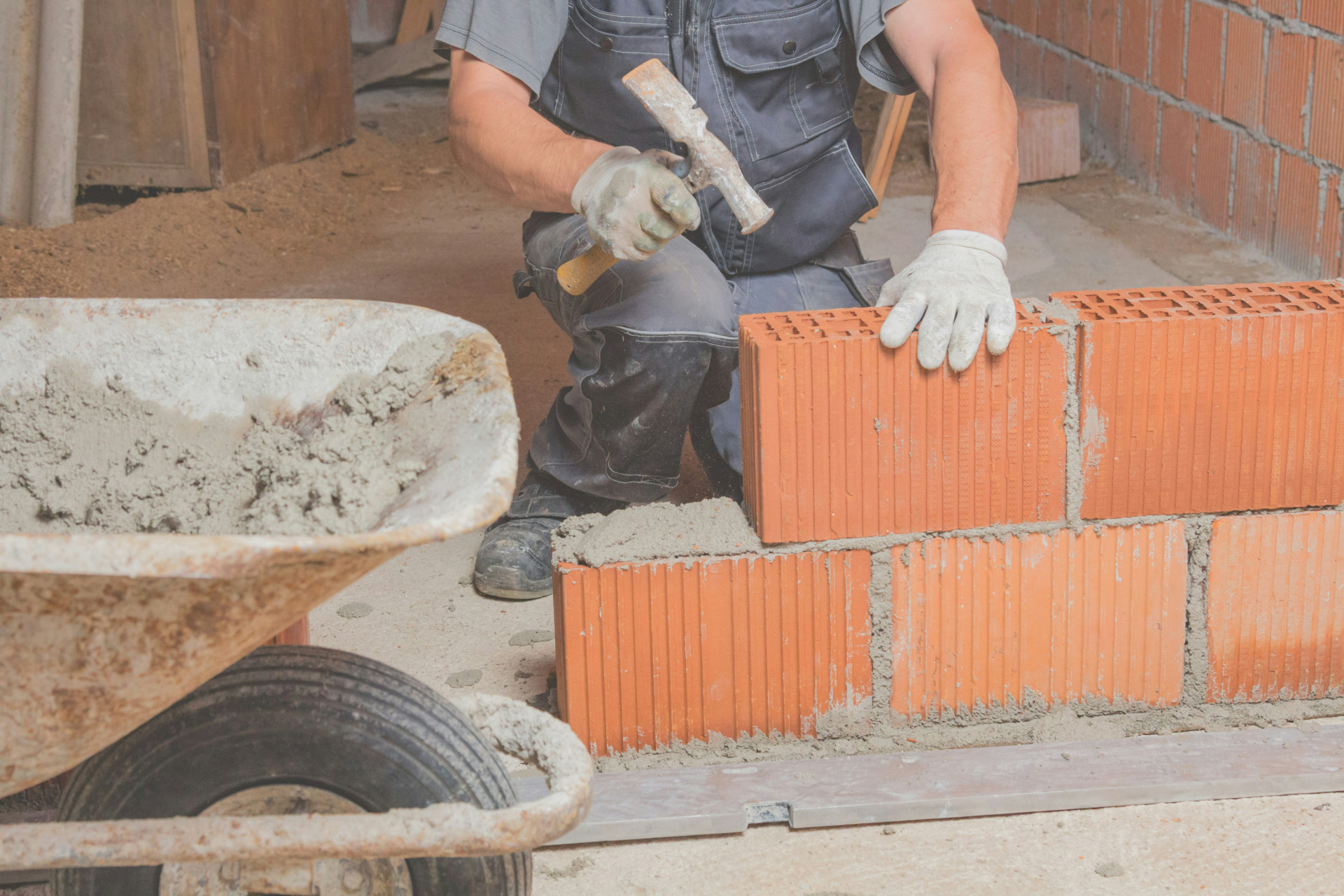
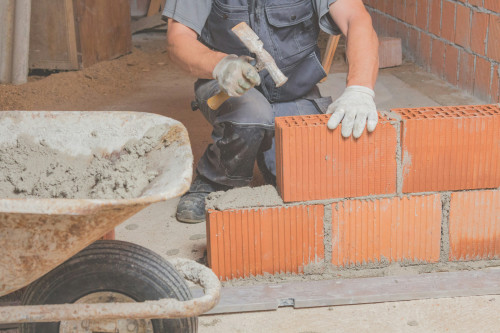
- Reusing bricks: When adding exterior insulation, existing bricks can often be cleaned and reused as a new facing layer. This is feasible if the bricks are structurally sound and free from frost or moisture damage.
- Preserving existing masonry: Instead of demolishing walls, insulation can be added to the interior or within the cavity of double-wythe walls. This approach retains the original exterior appearance and is especially useful for historic or landmarked buildings.
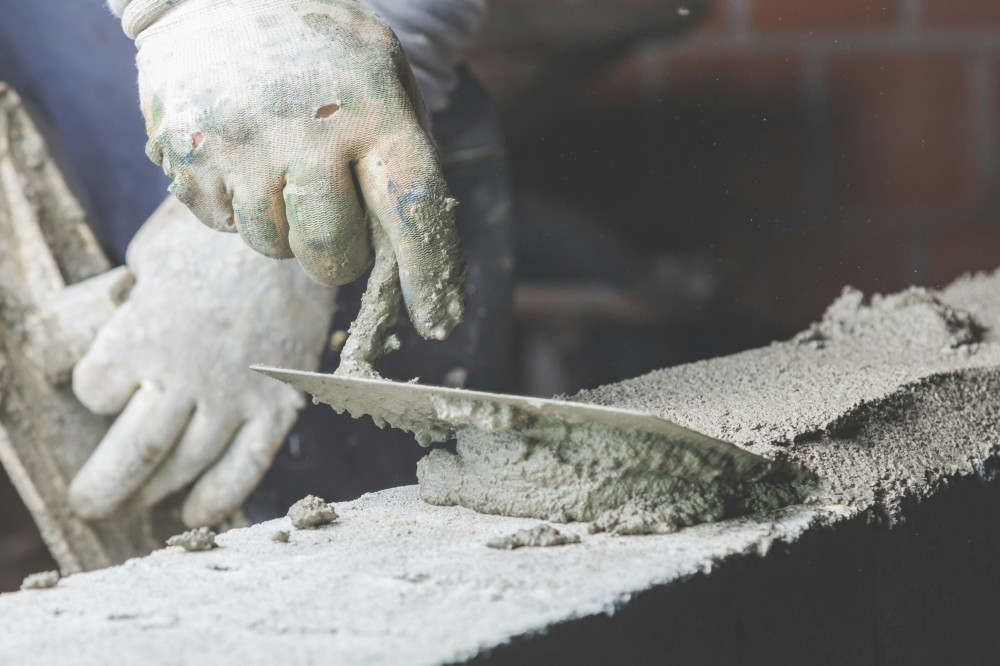
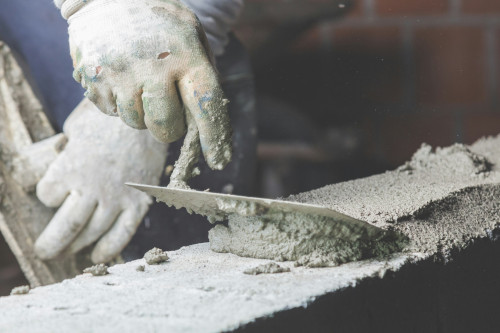
- Reusing mortar and plaster: In some cases, lime-based mortars can be reclaimed or blended with new material. This requires testing for strength and adhesion to ensure long-term performance.
- Using recycled insulation materials: A growing number of insulation products in the U.S. are made from recycled content—such as cellulose (recycled paper), denim, or reclaimed foam. These materials offer strong thermal performance and a lower environmental impact compared to conventional insulation.
Economic Benefits of Reuse
While reusing materials can require additional labor for sorting and preparation, it often pays off in the long run. Disposal costs for construction waste are rising across the U.S., and reusing materials reduces both landfill fees and the need to purchase new products. For homeowners, this can mean that a sustainable retrofit is not necessarily more expensive—sometimes it’s the more economical choice over the building’s lifetime.
Moreover, properties renovated with sustainability in mind often see increased market value. Energy-efficient, low-impact homes are in high demand, and buyers are willing to pay a premium for buildings that combine performance with environmental responsibility.
Environmental Gains
The construction industry accounts for a significant share of global CO₂ emissions, and material production is a major contributor. By reusing masonry and insulation materials, the need for new manufacturing is reduced, saving both energy and emissions. Reuse also supports a circular economy—keeping materials in use for as long as possible rather than sending them to landfills.
In the U.S., where millions of older masonry buildings are still in use, the potential environmental benefit is enormous. Each retrofit that prioritizes reuse helps move the industry toward a more sustainable future.
Challenges and Solutions
Reusing materials is not without challenges. Not all materials are suitable for reuse, and issues such as moisture control, structural integrity, and insulation performance must be carefully evaluated. Professional assessment is essential before deciding which materials can be safely reused.
A practical solution is to combine reuse with modern building science. For example, a retrofit might preserve the original brick façade while adding high-performance, eco-friendly insulation on the interior. This hybrid approach delivers both energy savings and aesthetic preservation.
A Step Toward Greener Building Practices
Reusing materials in masonry insulation retrofits demonstrates how sustainability and cost-effectiveness can go hand in hand. It requires thoughtful planning and skilled execution, but the rewards—lower costs, reduced waste, and a smaller carbon footprint—are substantial.
Choosing to reuse rather than discard is a tangible step toward a more responsible construction culture. In an era of resource scarcity and climate awareness, it’s an investment that benefits not only individual property owners but also the broader environment and future generations.
Læs også: