Facade Work with Precision: How to Handle Corners, Edges, and Details

Facade Work with Precision: How to Handle Corners, Edges, and Details
When it comes to facade work, the difference between a good job and a great one often lies in the details. Corners, edges, and transitions demand special attention—both for aesthetic and structural reasons. A crooked edge or poorly sealed joint can quickly lead to moisture problems, cracks, or an uneven appearance. Here’s a practical guide to handling the most critical points of facade work with precision and care.
Understanding the Purpose and Structure of the Facade
A building’s facade is more than just its outward appearance—it’s the first line of defense against wind, rain, and temperature fluctuations. Proper preparation and material selection are essential for a durable and visually appealing result.
Before you begin:
- Inspect the surface for cracks, loose mortar, or flaking paint.
- Ensure the substrate is clean and dry before applying new materials.
- Choose materials compatible with the existing structure. For example, use lime-based mortar for historic masonry and cement-based products for modern construction.
Good preparation is the foundation of a facade that looks great and lasts for decades.
Læs også:

Corners: Strength and Sharpness
Corners are among the most vulnerable parts of a facade. They’re exposed to impact, movement, and weather, so they must be built with precision and reinforced properly.
- Use corner beads or profiles when working with stucco or plaster. They help create straight, durable edges and make it easier to apply an even coat.
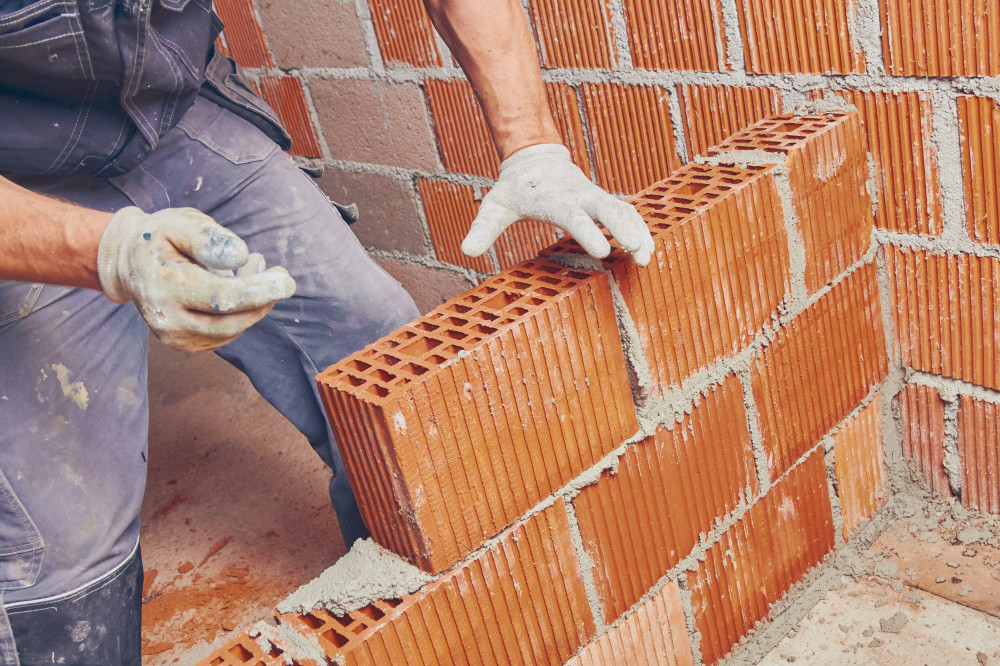
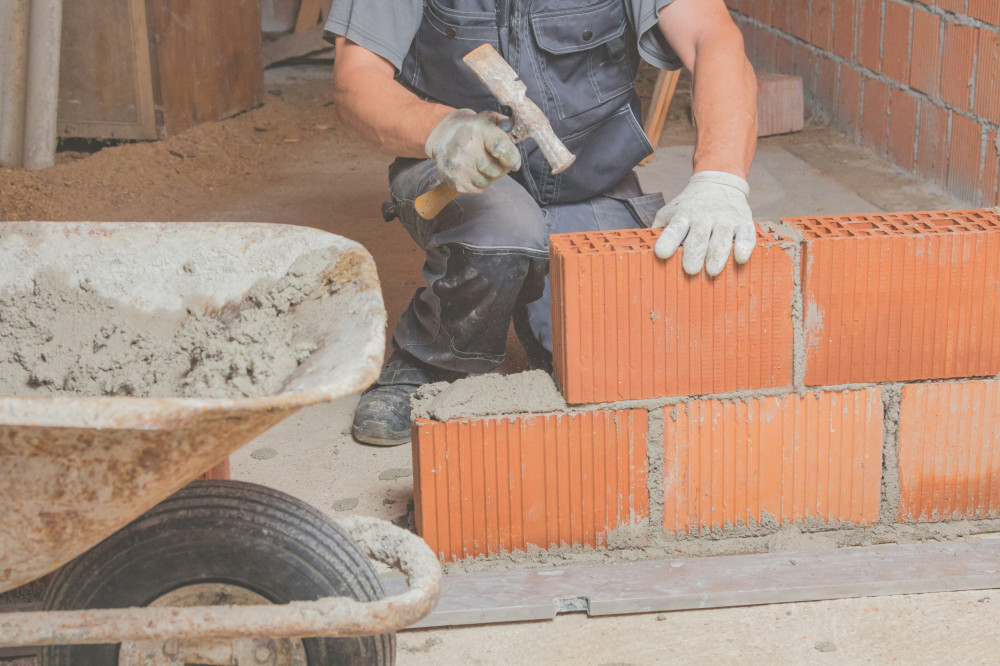
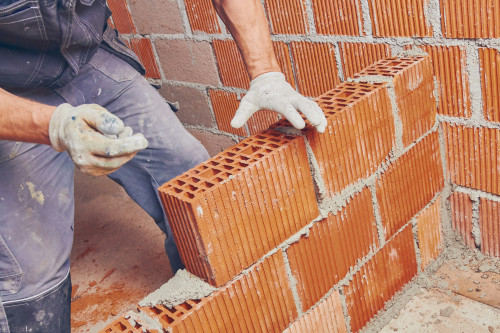
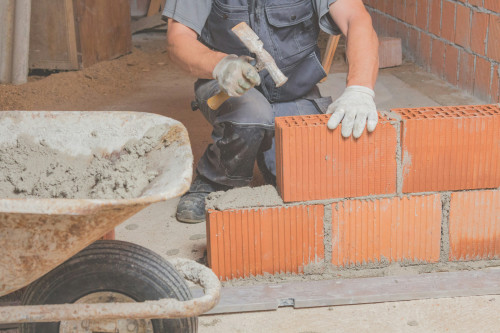
- For brick or block walls, lay courses carefully, maintaining proper alignment and staggering joints for strength.
- Check plumb and level frequently. Even small deviations can become noticeable as the work progresses.
A crisp, stable corner not only enhances the building’s appearance but also prevents cracking and chipping over time.
Edges and Finishes: The Details That Tie It All Together
Edges around windows, doors, and trim are where different materials meet—and where water intrusion is most likely if the work isn’t done correctly.
- Use flexible sealants at joints between masonry and wood or metal frames. They accommodate movement without cracking.
- Incorporate drip edges on horizontal surfaces to direct rainwater away from the wall.
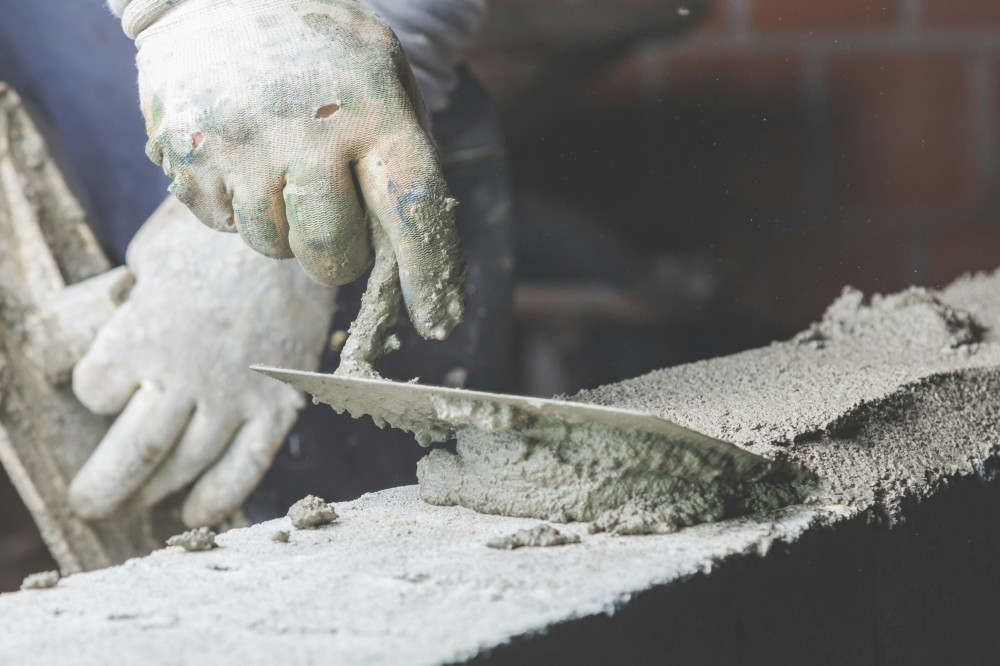
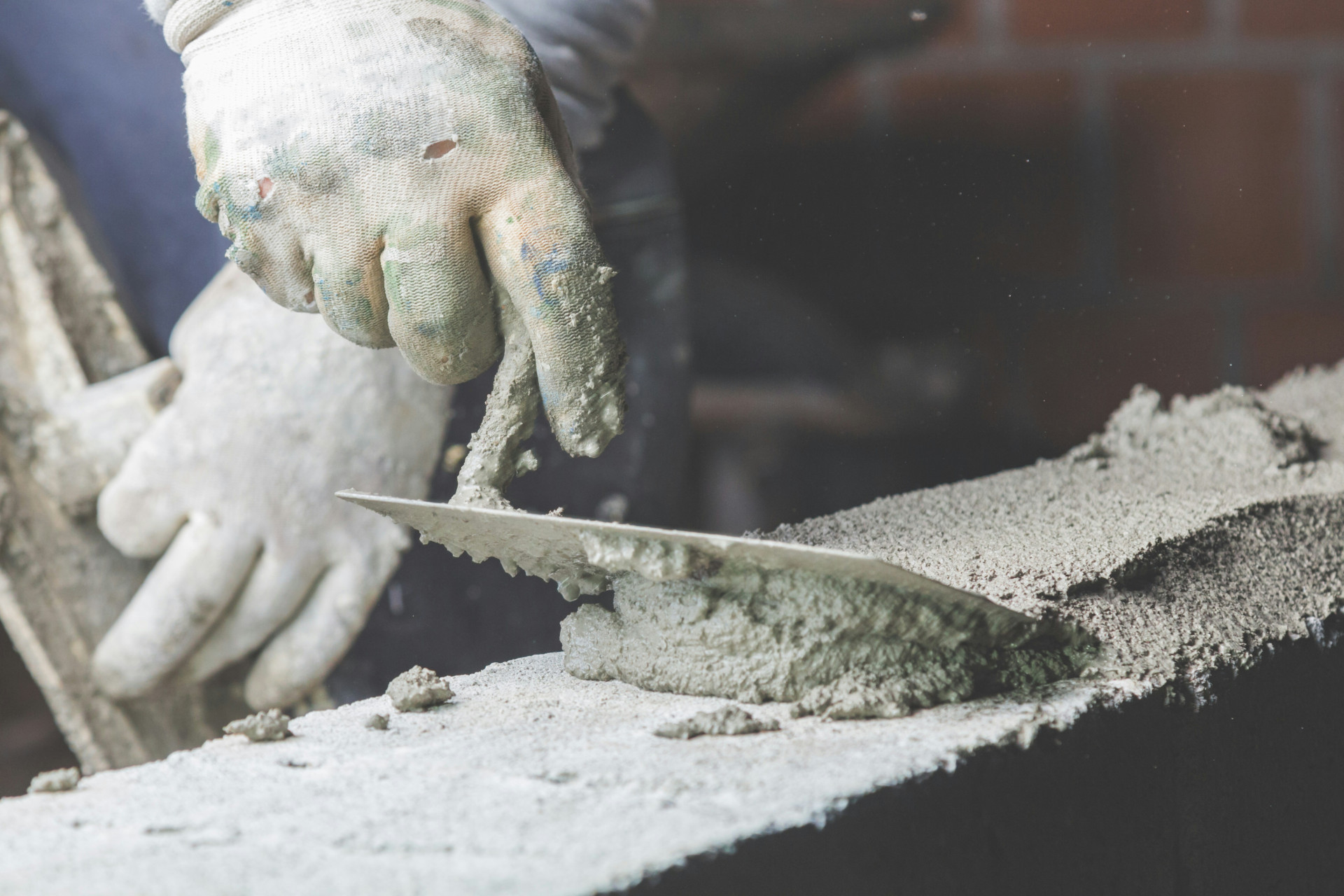
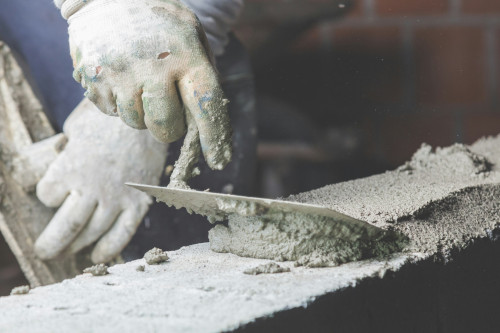
- Maintain clean, straight lines. Use a trowel or float to shape edges while the material is still workable.
Even minor irregularities can stand out once sunlight hits the surface, so take your time to achieve smooth, consistent finishes.
Details and Transitions: Where Craftsmanship Shows
Transitions between materials—such as between the wall and foundation, or wall and roof—require both technical skill and an eye for design.
- At the base of the wall, ensure a clear separation between the facade and the ground. Use moisture-resistant coatings or plasters and verify proper drainage.
- At the roofline, check that flashing and coping are watertight. Water infiltration here can cause significant damage over time.
- When repairing or restoring, match the existing texture and color so the new work blends seamlessly with the old.
It’s in these details that true craftsmanship becomes visible.
Tools and Materials: Quality Makes the Difference
Precision work requires the right tools. Use sharp trowels, floats, and straightedges suited to the task. Worn or low-quality tools can lead to uneven surfaces and wasted effort.
When selecting materials, prioritize quality and compatibility. Using the wrong type of mortar or coating can cause long-term damage, especially if it’s harder or less breathable than the original materials.
Finishing and Maintenance
Once the facade work is complete, allow the surface to cure properly. Protect it from rain, frost, and direct sunlight during the initial curing period. Depending on the material, you may choose a protective finish such as mineral paint, limewash, or a breathable sealant.
Regular maintenance is key to preserving your work. Inspect the facade periodically for cracks, loose joints, or discoloration, and address small issues before they become major repairs.
Precision Pays Off
Facade work isn’t just about making a building look good—it’s about creating a durable, functional surface that protects the structure for years to come. By handling corners, edges, and details with precision, you achieve a result that’s both beautiful and built to last—a true reflection of skilled craftsmanship.
Læs også: