Give Your Garden Character with Reclaimed Bricks


Give Your Garden Character with Reclaimed Bricks
Old bricks have a charm that new materials can rarely match. They carry traces of time, craftsmanship, and history – and can give your garden a unique, timeless look. By using reclaimed bricks in your outdoor spaces, you not only create something beautiful and durable but also make an environmentally friendly choice that saves resources and money. Here’s how you can use reclaimed bricks to bring character and cohesion to your garden.
Why Choose Reclaimed Bricks?
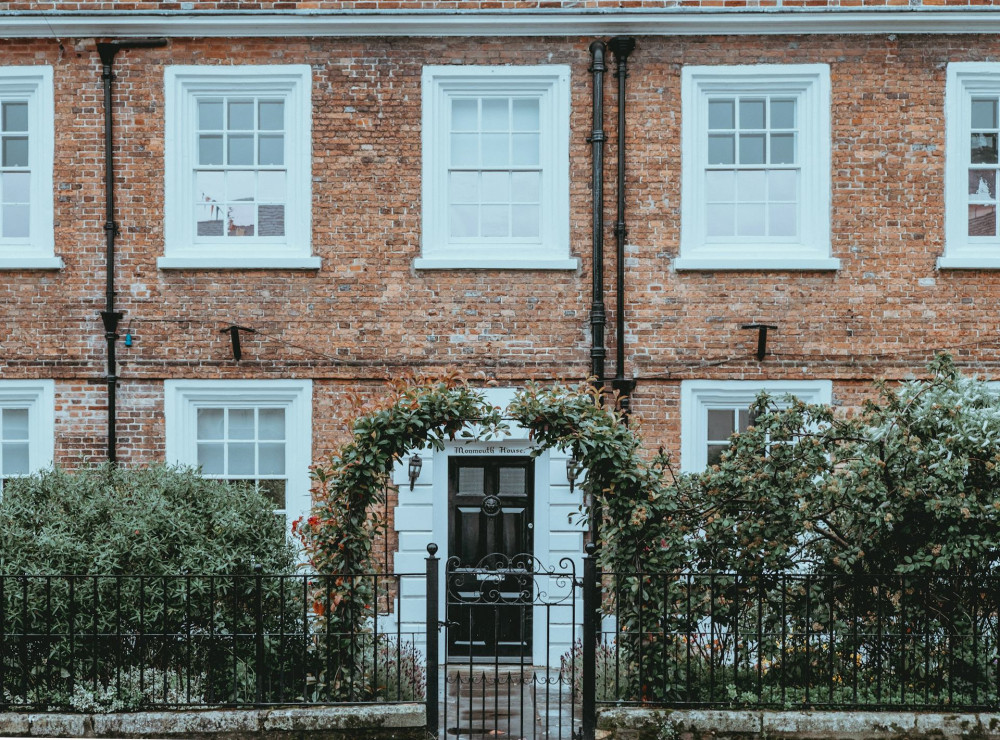
Reclaimed bricks are popular because they combine beauty, durability, and sustainability. Their weathered surfaces and warm tones blend naturally into the landscape, especially around older homes or gardens with a sense of history. Choosing reclaimed materials also helps reduce waste and the carbon footprint associated with manufacturing new bricks.
Bricks are built to last. When you reuse them, you’re working with a material that has already proven its strength through decades of exposure to the elements.
Create Walkways and Patios with Personality
One of the most appealing ways to use reclaimed bricks is for walkways and patios. They can be laid in a variety of patterns – from classic herringbone to more rustic, irregular designs.
- Walkways: Lay bricks in a gentle curve through your garden for a natural, inviting path. Combine them with gravel or stepping stones for added texture and interest.
- Patios: Use bricks to create a cozy seating area or a terrace near your home. Their warm tones make outdoor spaces feel welcoming and timeless.
Be sure to prepare a solid base of sand and gravel to ensure good drainage and a level surface that will last for years.
Build Raised Beds and Borders
Reclaimed bricks are also perfect for building raised garden beds, planters, or edging around flower beds. They add structure and definition to your garden while providing a beautiful contrast to greenery and blooms.
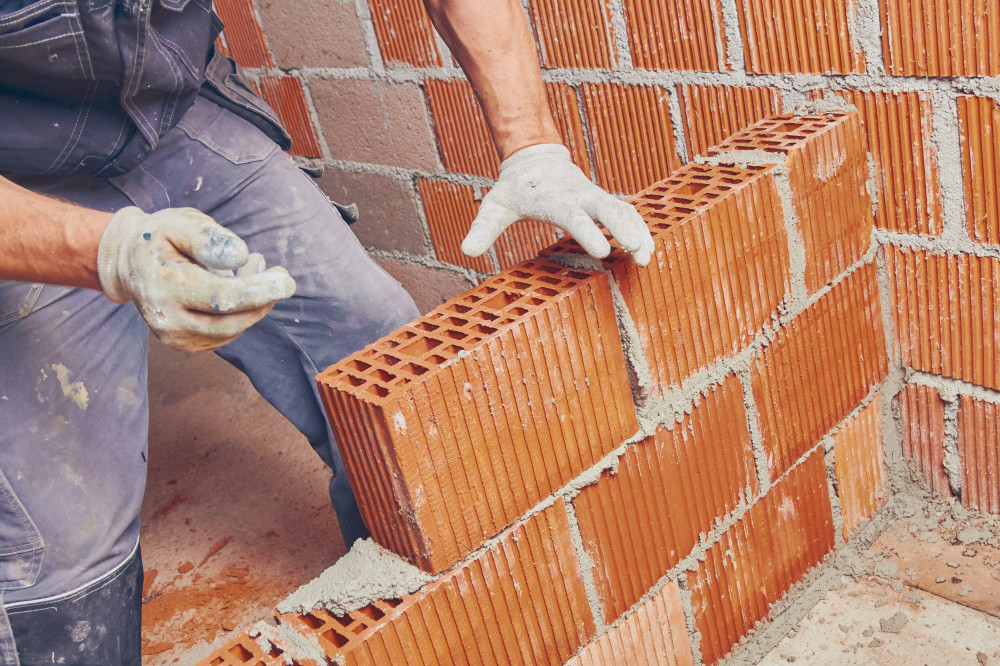
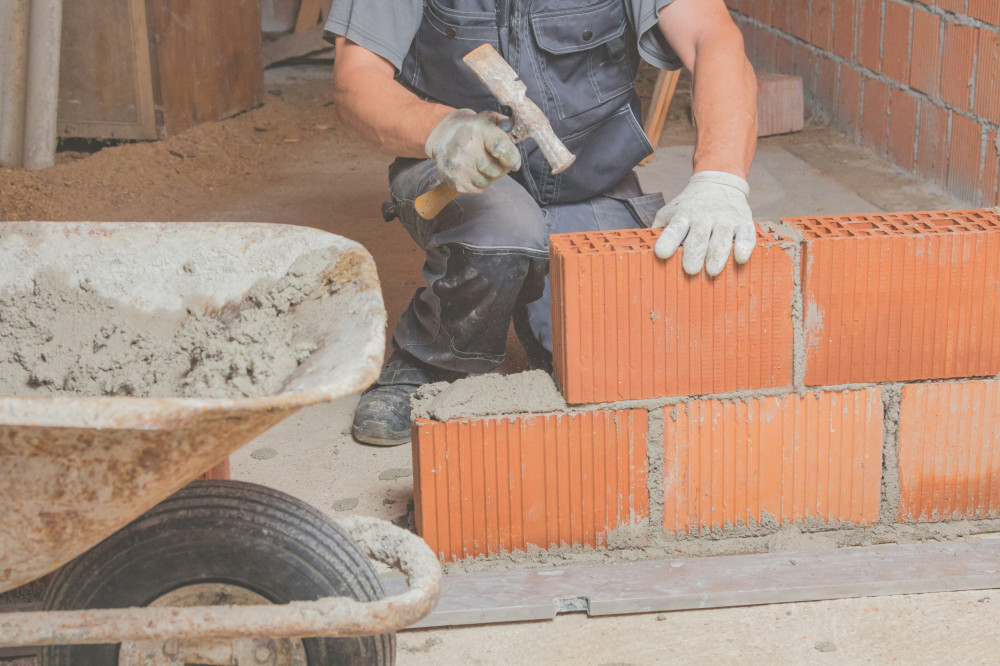
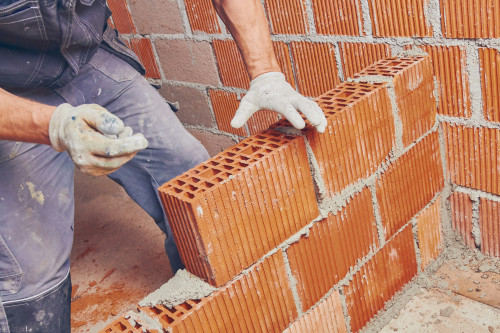
You can mortar the bricks together for a classic, permanent look or stack them loosely for a more relaxed, rustic style. The latter option also makes it easy to change the layout later if you decide to redesign your garden.
Add Small Details That Make a Big Difference
Even small touches of reclaimed brick can transform your outdoor space. For example, you can:
- Build a low wall as a backdrop for climbing plants or to define different garden zones.
- Create a border around a pond or fire pit.
- Use individual bricks as steps or dividers between garden levels.
- Construct a brick bench topped with a wooden plank – both practical and decorative.
These details add personality and help tie the different elements of your garden together.
Where to Find Reclaimed Bricks
In the U.S., you can find reclaimed bricks at architectural salvage yards, demolition companies, or online marketplaces. Some local building supply stores also carry them. When choosing bricks, check that they’re solid and free from major cracks or frost damage.
If you’re salvaging bricks yourself from an old structure, clean them by gently chipping off old mortar with a hammer and chisel. It takes a bit of patience, but the result is worth it.
Læs også:



Combine with Other Materials
Reclaimed bricks pair beautifully with natural materials like wood, metal, and stone. A brick wall with a wrought-iron gate, a wooden bench set against a brick backdrop, or a path that mixes brick and flagstone can create striking contrasts and depth in your garden design.
Mixing materials gives your garden a more dynamic and layered look – and allows you to adapt the style to both modern and traditional homes.
A Garden with History and Heart
When you use reclaimed bricks, you’re adding more than just a building material – you’re adding a piece of history. Each brick has its own color, texture, and story, and together they create a space that feels authentic and enduring.
It’s a way to honor the past while building something new and personal. And it’s a choice that’s good for both the planet and your garden – a lasting investment in beauty, sustainability, and character.
Læs også: