Sustainable Vacuuming: How to Choose an Eco-Friendly Model

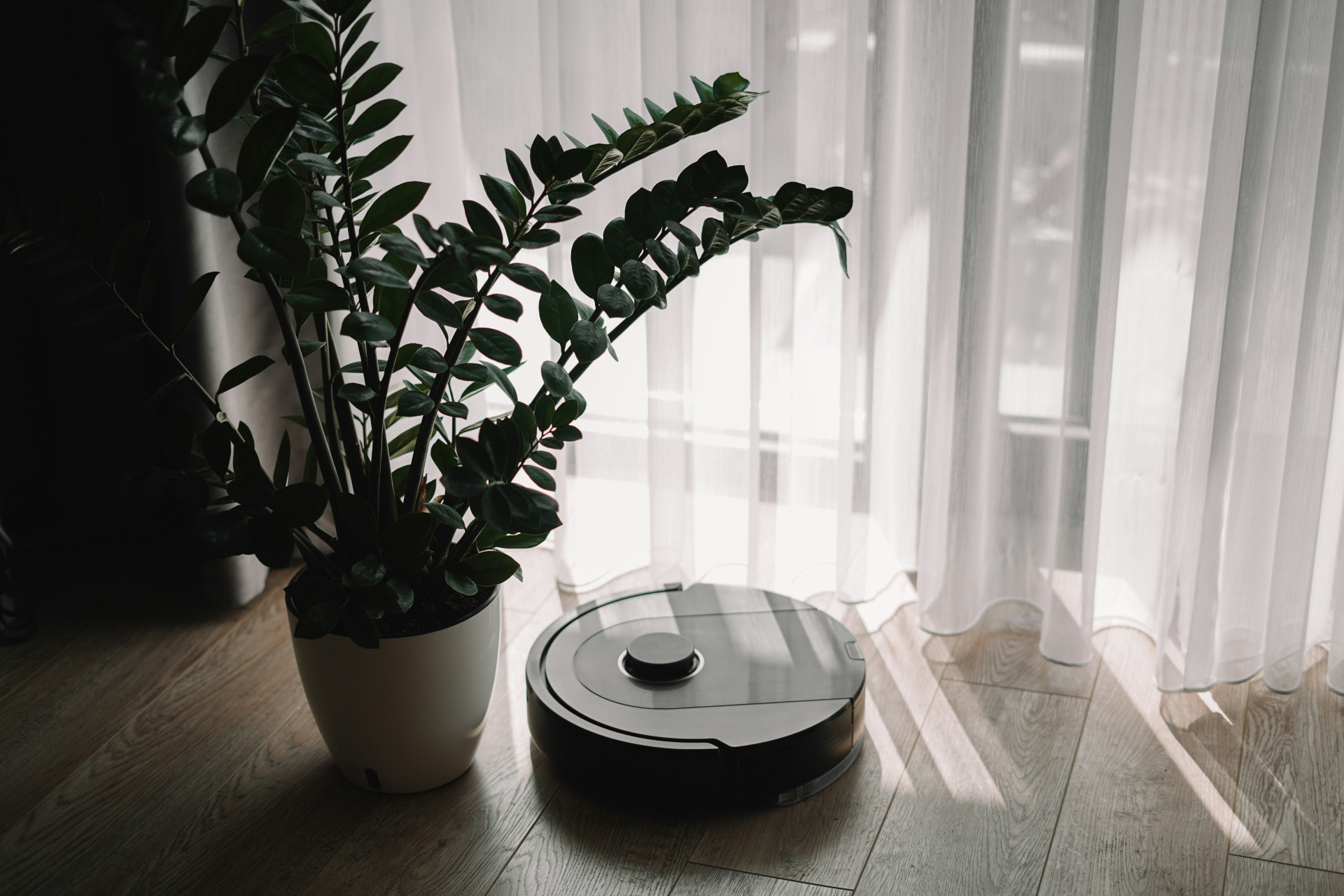
Sustainable Vacuuming: How to Choose an Eco-Friendly Model
The vacuum cleaner is a staple in nearly every American home—but how often do you think about its environmental impact? As more people look for ways to reduce their carbon footprint, interest in sustainable home appliances is growing. A vacuum uses energy, materials, and resources throughout its life, so choosing the right model can make a real difference. Here’s a guide to help you pick a vacuum that keeps your home clean and your conscience clear.
Check the Energy Efficiency
Energy efficiency should be your first consideration. In the U.S., look for the ENERGY STAR® label, which indicates that the appliance meets strict energy-saving standards set by the Environmental Protection Agency (EPA).
- Lower wattage doesn’t mean weaker suction – modern motors are designed to deliver strong performance while using less power.
- Corded models often consume less energy over time than battery-powered ones, especially for larger homes.
An energy-efficient vacuum not only helps the planet but can also lower your electricity bill.
Choose a Model Built to Last
Durability is one of the most sustainable features a vacuum can have.
- Check the warranty – a longer warranty often signals better build quality.
- Look for replaceable parts – filters, hoses, and batteries should be easy to find and swap out.
- Opt for sturdy materials – metal tubes and reinforced wheels last longer than cheap plastic components.
A vacuum that can be repaired instead of replaced reduces waste and saves resources.
Consider the Materials
Many manufacturers are now incorporating recycled or recyclable materials into their products. When comparing models, look for:
- Recycled plastic content – some brands specify the percentage of recycled materials used.
- Recyclable design – can the vacuum be easily disassembled for recycling at the end of its life?
- Sustainability certifications – such as Cradle to Cradle or company-specific eco-initiatives.
Even small improvements in material choices can significantly reduce a product’s environmental footprint.
Bagged or Bagless?
Both types have pros and cons:
- Bagged vacuums trap dust more effectively, which is great for allergy sufferers, but the disposable bags create waste.
- Bagless vacuums eliminate the need for bags but require regular cleaning of the dust bin and filters.
If you prefer a bagged model, choose biodegradable or recycled bags to minimize waste.
Læs også:
Corded or Cordless?
Cordless vacuums are convenient, but their batteries come with environmental costs.
- Lithium-ion batteries can be recycled, but they require proper disposal.
- Check battery life and replaceability – a removable battery extends the vacuum’s lifespan.
- If you mostly clean indoors, a corded model may be the greener choice since it avoids battery production and disposal altogether.
Maintenance Matters
Even the most eco-friendly vacuum loses efficiency without proper care.
- Clean or replace filters regularly to keep the motor running smoothly.
- Empty the dust bin or replace the bag before it’s completely full.
- Remove hair and debris from the brush roll to maintain suction power.
Good maintenance extends the life of your vacuum and ensures it operates efficiently with minimal energy use.
Think About the Whole Life Cycle
Sustainability isn’t just about energy use—it’s about the entire life cycle of the product. When it’s time to retire your old vacuum, don’t toss it in the trash.
- Recycle it properly through your local e-waste collection program.
- Many retailers, including major chains like Best Buy, offer appliance recycling programs that ensure responsible disposal.
By thinking in terms of circular use—repair, reuse, and recycle—you help reduce waste and conserve resources.
A Cleaner Home and a Cleaner Planet
Choosing a sustainable vacuum doesn’t mean compromising on cleanliness. It’s about making mindful choices that benefit both your home and the environment. With an energy-efficient, durable, and repairable model, you can keep your floors spotless while doing your part for a cleaner planet.
Læs også: