Appliances That Save Both Food and Water – How to Choose the Right Ones

Appliances That Save Both Food and Water – How to Choose the Right Ones
When it’s time to invest in new home appliances, design and price are no longer the only things that matter. Today, energy efficiency, water use, and food preservation are just as important — for both the environment and your household budget. The latest refrigerators, dishwashers, and washing machines are designed to make smarter use of resources. But how do you choose the models that truly make a difference in everyday life? Here’s a guide to selecting appliances that help you save both food and water.
The Refrigerator – Keep Food Fresh Longer
A modern refrigerator can do much more than just keep things cold. New technologies help extend the life of your groceries and reduce food waste.
- Humidity-controlled drawers keep fruits and vegetables from drying out or wilting too quickly.
- Multi-zone cooling allows you to store meat, fish, and dairy at their ideal temperatures.
- Frost-free systems prevent ice buildup in the freezer, saving you the hassle of defrosting and improving energy efficiency.
When shopping, look for the ENERGY STAR® label, which indicates the appliance meets strict efficiency standards set by the U.S. Environmental Protection Agency. Also, choose a size that fits your household’s needs — a fridge that’s too large wastes energy if it’s rarely full.
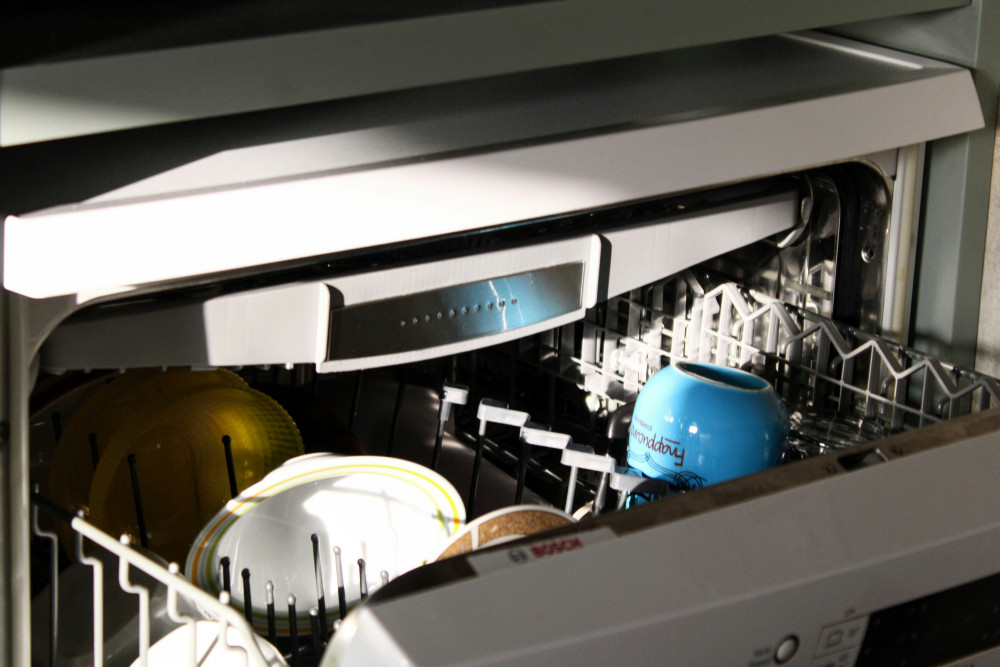
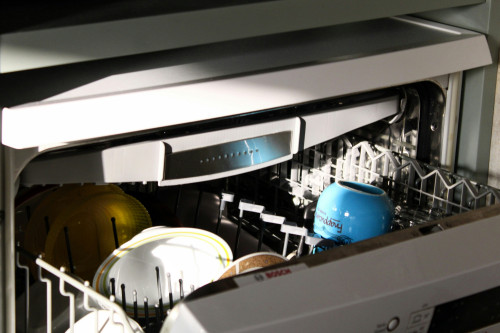
The Dishwasher – Clean Dishes with Less Water
Modern dishwashers use far less water than handwashing, but some models are still more efficient than others.
- Eco or energy-saving cycles use lower temperatures and longer wash times to reduce both water and electricity use.
- Soil sensors detect how dirty the water is and adjust the cycle accordingly.
- Half-load options are handy when you don’t have a full load of dishes.
A good benchmark is a dishwasher that uses less than 4 gallons of water per cycle. And remember, running a full load is always more efficient than two half loads.
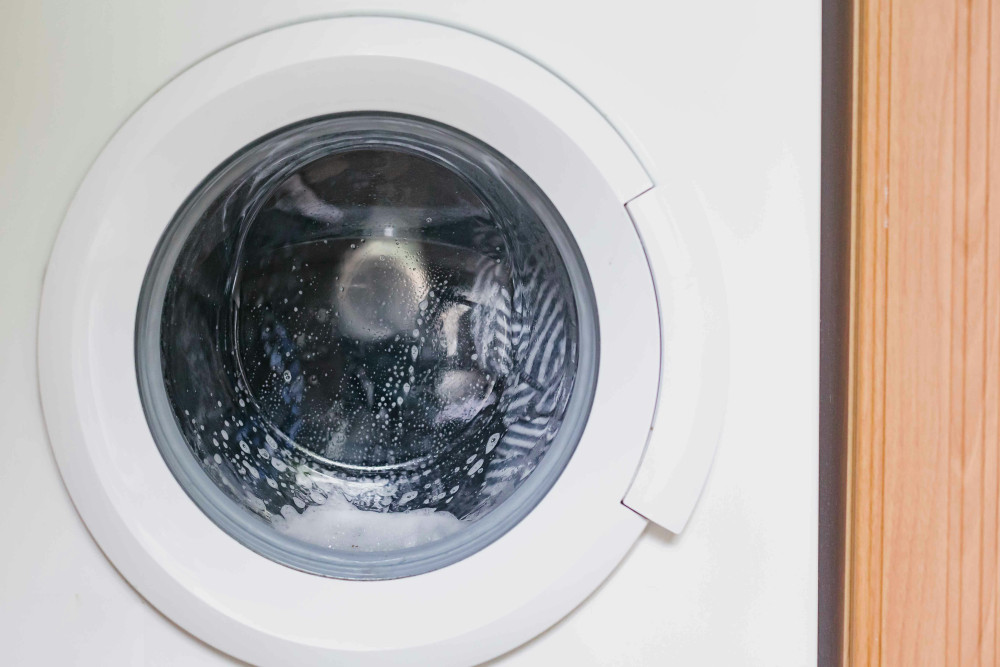
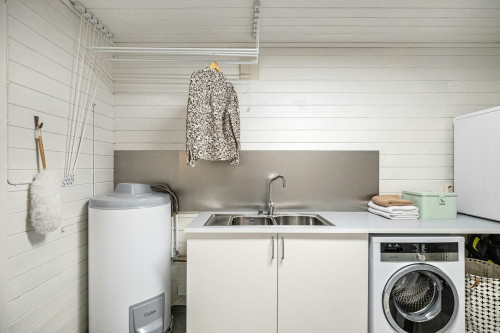
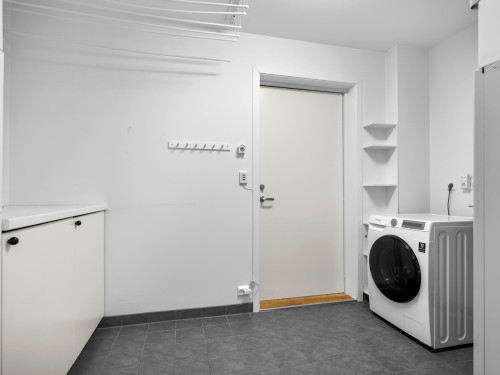
The Washing Machine – Less Water, Same Clean Clothes
Washing machines have come a long way in recent years. New models can clean effectively with less water and lower temperatures.
- Automatic detergent dispensers ensure you use just the right amount of soap, saving money and protecting the environment.
- Load sensors adjust water levels based on the size of the load.
- Steam cycles can refresh clothes without a full wash, saving both water and energy.
When comparing models, check the Integrated Water Factor (IWF) and Modified Energy Factor (MEF) ratings. A high-efficiency washer can save thousands of gallons of water each year.
Washer-Dryer Combos – Convenient but Consider Carefully
If you live in a small space, a washer-dryer combo can be a practical solution. However, the drying function often uses more energy and water than a separate dryer. Look for models with heat pump technology, which recycles heat and significantly reduces energy use.
Smart Features for a Greener Home
Many new appliances can connect to smartphone apps that help you monitor usage and schedule cycles for off-peak hours. This isn’t just convenient — it can also lower your carbon footprint.
- Delay start lets you run appliances overnight when electricity rates are lower.
- Usage tracking gives you insight into your water and energy consumption.
- Maintenance alerts remind you to clean filters and check seals, helping your appliances last longer.
Læs også:
How to Choose Wisely
When you’re browsing in-store or online, it can be hard to tell which features really matter. Keep these three guidelines in mind:
- Check for the ENERGY STAR® label – it’s your best indicator of efficiency.
- Compare actual consumption – look at water and energy use per cycle.
- Match your habits – a large family’s needs differ from those of a single person in an apartment.
The best appliance is the one that fits your lifestyle — and that you’ll use efficiently.
A Smart Investment That Pays Off
While energy-efficient appliances may cost a bit more upfront, they quickly pay for themselves through lower utility bills. At the same time, you’ll help reduce food waste and water waste — two major environmental challenges in modern households.
With the right choices, you can save money, protect the planet, and make your home more sustainable. It’s a win for your wallet — and for the world.
Læs også: