Stop the Blockage in Time – Learn to Recognize the Warning Signs

Stop the Blockage in Time – Learn to Recognize the Warning Signs
A well-functioning plumbing system is something most homeowners rarely think about—until the sink starts draining slowly or the toilet begins to gurgle. A clogged drain or sewer line can quickly escalate from a minor inconvenience to a costly problem, leading to water damage, unpleasant odors, and even structural issues. Fortunately, your plumbing system often gives you clear warning signs before things get serious. Here’s how to spot the early symptoms and prevent a full-blown blockage.
Early Signs That Something’s Wrong
Clogs rarely happen overnight. They usually build up gradually as grease, hair, soap scum, and other debris accumulate inside the pipes. If you pay attention, you can catch the problem before it turns into an emergency.
- Slow Draining Water: If water in your sink, shower, or tub starts draining more slowly than usual, it’s one of the first signs of a developing clog.
- Gurgling Sounds: Bubbling or gurgling noises from drains or toilets when you run water elsewhere in the house can indicate trapped air caused by partial blockages.
- Unpleasant Odors: A sour or sewer-like smell coming from your drains often means that organic material is stuck and decomposing inside the pipes.
- Standing Water: If water pools in your sink or shower even after you’ve turned off the faucet, the drain may be nearly blocked.
The sooner you act on these signs, the more likely you can fix the issue yourself—without having to call a plumber.
Common Causes of Clogs
Most blockages are caused by everyday habits that put stress on your plumbing system. Some of the most common culprits include:
- Grease and Food Waste: Pouring cooking grease or food scraps down the kitchen sink is a major cause of clogs. As grease cools, it solidifies and sticks to the inside of pipes.
- Hair and Soap Scum: In bathrooms, hair combines with soap residue to form sticky clumps that trap more debris.
- “Flushable” Wipes and Hygiene Products: Despite the label, most wipes don’t break down easily and can cause serious blockages in toilets and sewer lines.
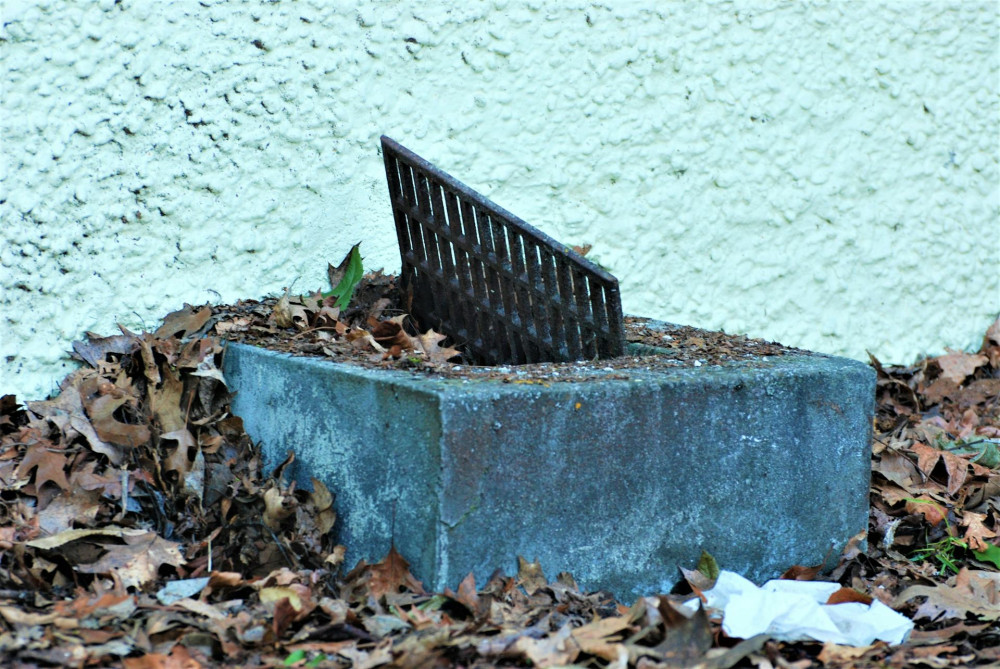
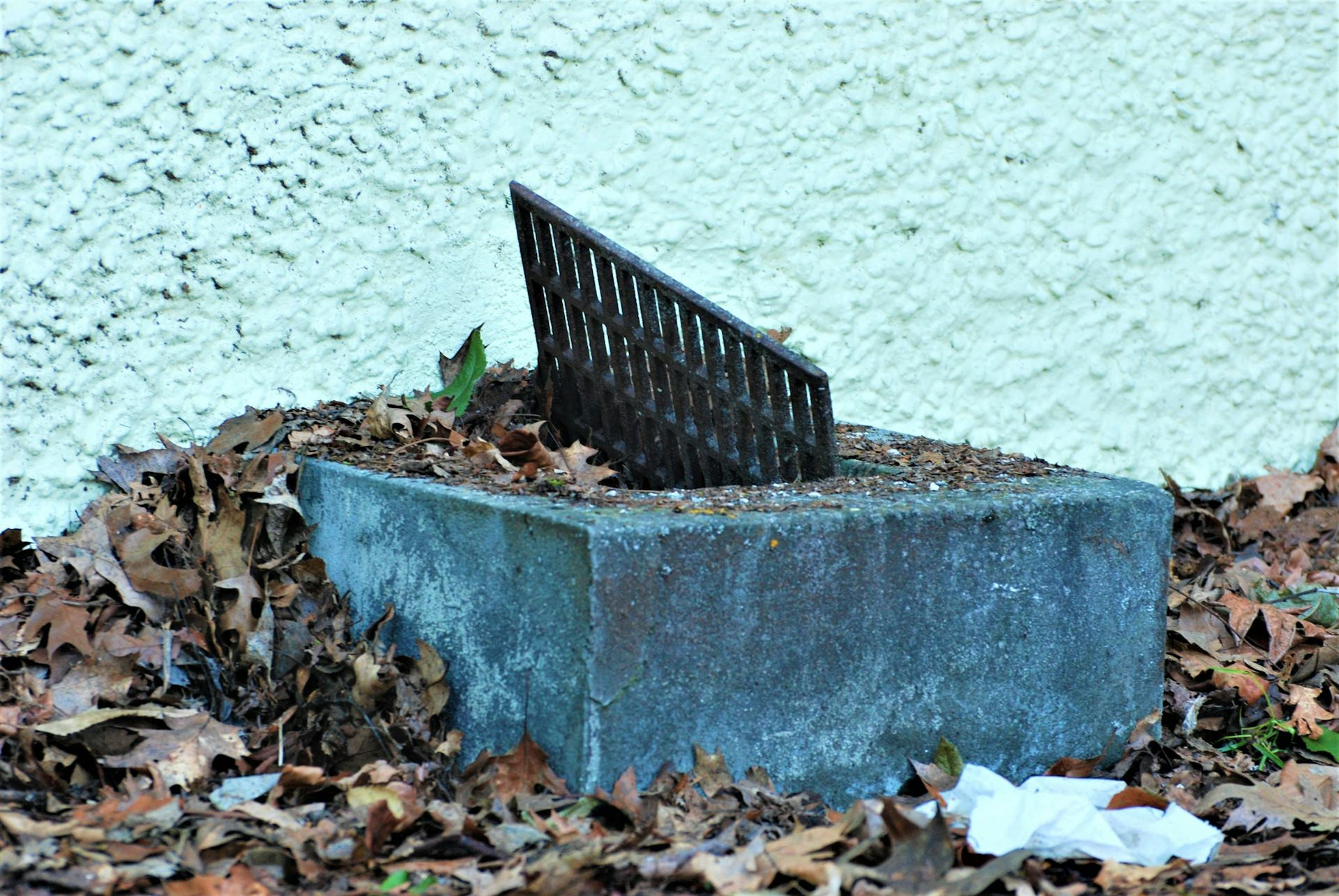
- Outdoor Debris: Leaves, dirt, and other debris can clog outdoor drains and gutters, leading to water backup during heavy rain.
Changing a few small habits—like wiping grease from pans with a paper towel, using drain strainers, and cleaning drains regularly—can prevent most problems.
Læs også:

How to Check Your Drains
A quick inspection a few times a year can save you from expensive repairs. Start with the drains you can easily access:
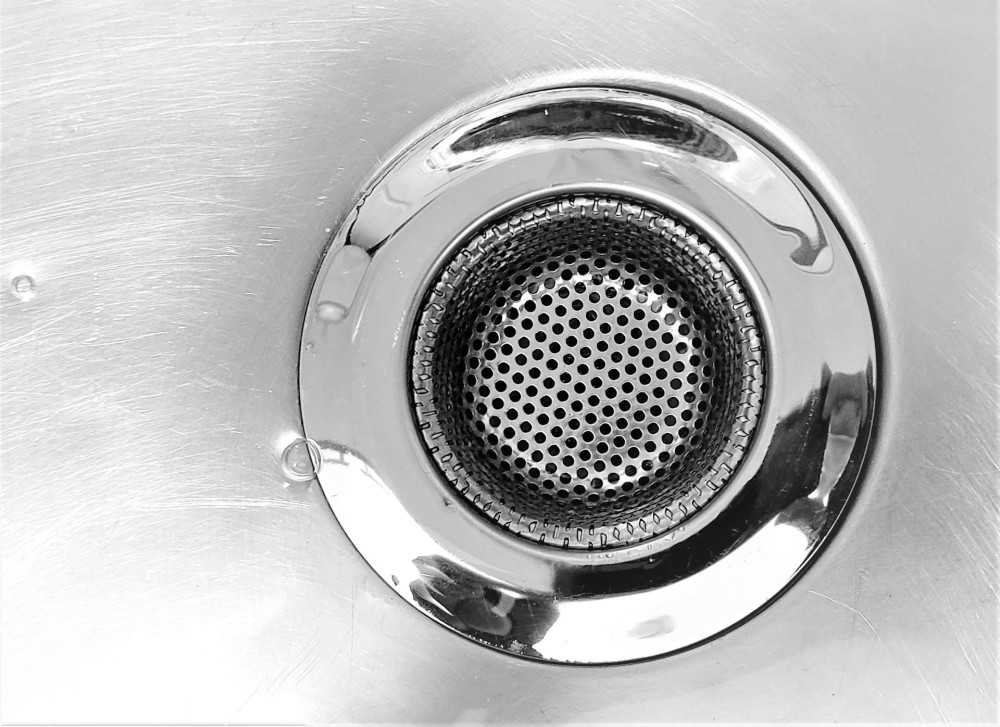
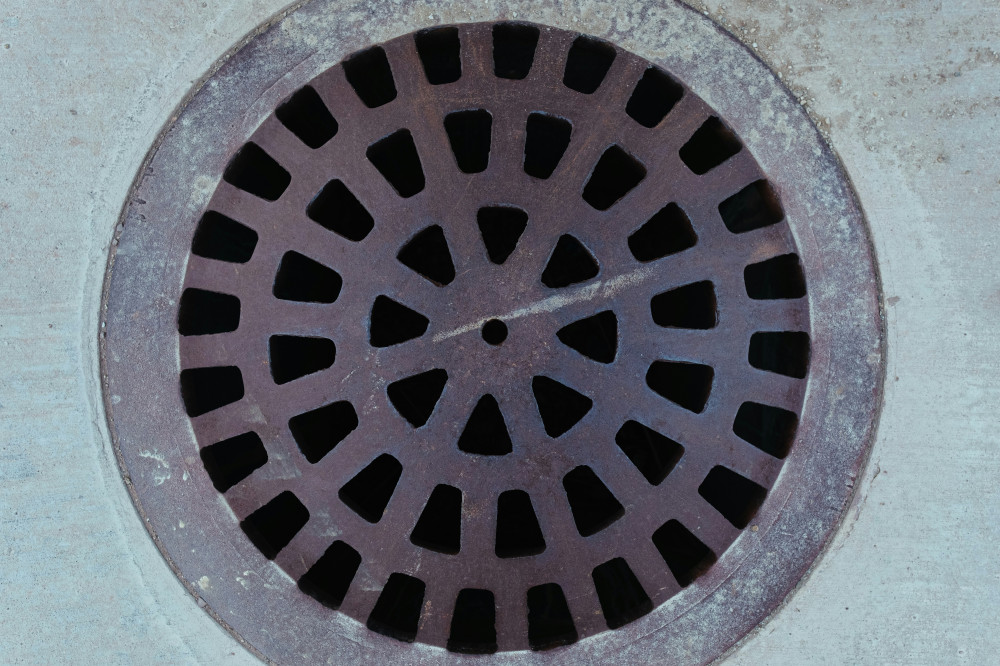
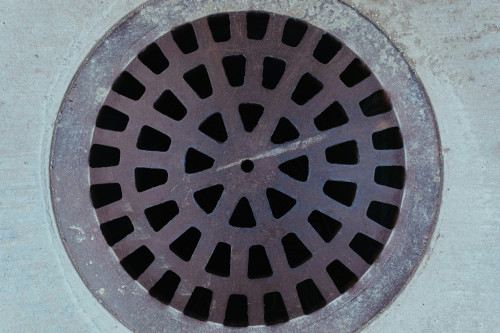
- Remove the drain cover and look inside. If you see hair, grease, or other buildup, remove it with a gloved hand or a small brush.
- Pour boiling water down the drain to help dissolve grease and soap residue.
- Use a mixture of baking soda and vinegar as a gentle, eco-friendly cleaning solution.
- For outdoor drains, lift the cover and check for standing water—it could indicate a blockage deeper in the system.
If water still doesn’t flow freely after cleaning, it may be time to call a professional plumber for a more thorough inspection.
When to Call a Professional
While many minor clogs can be handled with simple cleaning, there are times when professional help is necessary:
- If multiple drains in your home are slow or backed up at the same time.
- If water backs up into the shower or floor drain when you flush the toilet.
- If you experience recurring clogs even after cleaning.
- If you notice persistent odors or dampness in the basement, which could signal a broken or leaking sewer line.
A licensed plumber can use specialized tools, such as a camera inspection, to locate the exact source of the problem and prevent further damage.
Prevention Is the Best Solution
Keeping your plumbing system healthy doesn’t require much effort, but a little attention goes a long way. Here are some good habits to adopt:
- Clean drains and traps regularly.
- Never pour grease, oil, or food scraps down the sink.
- Use strainers in kitchen and bathroom drains.
- Flush only toilet paper—nothing else.
- Keep gutters and outdoor drains clear of leaves and debris.
By following these simple steps, you can extend the life of your plumbing system and avoid costly repairs.
A Small Sign Can Save You Big Trouble
Most clogs start as small annoyances that are easy to ignore. But by paying attention to early warning signs—slow drains, strange noises, or bad smells—you can stop a minor issue from turning into a major headache. A healthy plumbing system isn’t just about convenience; it’s about protecting your home from water damage and costly repairs. So stay alert, act early, and stop the blockage in time.
Læs også: