How to Avoid Bacteria and Odors During Sewer Cleaning

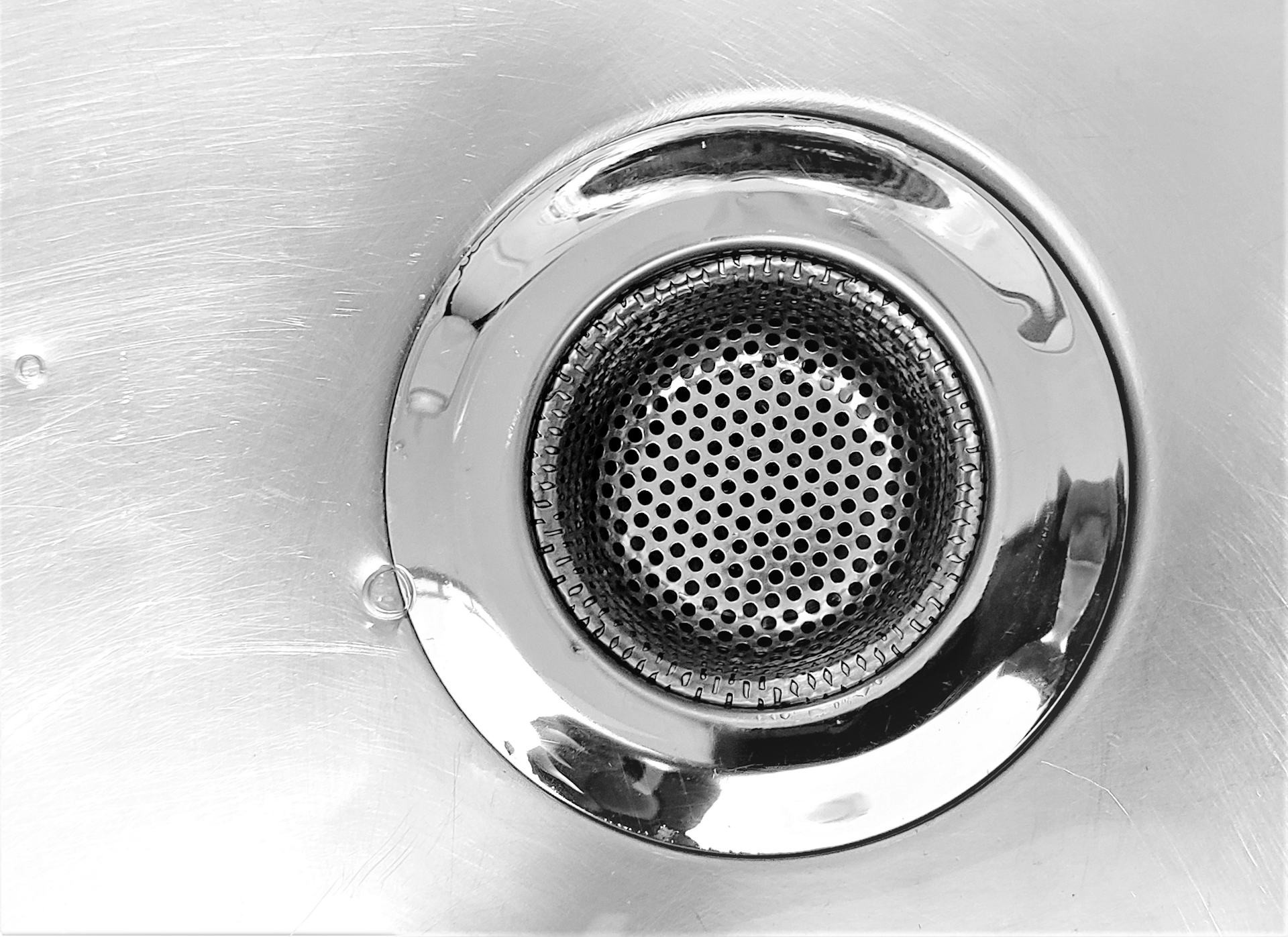
How to Avoid Bacteria and Odors During Sewer Cleaning
Sewer cleaning is an essential but often unpleasant part of maintaining a home’s plumbing system. When drains or sewer lines become clogged, it can lead to foul odors and potential health risks if not handled properly. Bacteria and gases can spread quickly, so it’s important to take the right precautions—for your safety and for a clean, odor-free home. Here’s a practical guide to cleaning your sewer system safely and effectively.
Understand Where Bacteria and Odors Come From
Your home’s sewer system carries wastewater from sinks, showers, and toilets—along with organic matter, grease, and bacteria. When blockages occur, they’re often caused by a buildup of grease, hair, soap scum, or food particles that begin to decompose. This process releases gases and bacteria that can cause strong odors and even pose health hazards.
The most common culprit behind sewer odors is hydrogen sulfide (H₂S), a gas produced when organic material breaks down without oxygen. It smells like rotten eggs and can be toxic in high concentrations. That’s why it’s important to take safety measures before you start cleaning.
Use Proper Safety Gear
When working with drains or sewer lines, always protect yourself from bacteria, chemicals, and gases. You don’t need professional equipment, but a few basic items are essential:
- Gloves – Use heavy-duty rubber gloves that cover your wrists. Avoid thin disposable gloves, as they can tear easily.
- Safety goggles – Especially important if you’re using a pressure washer or chemical cleaners.
- Respirator or mask – Helpful if you’re working in a poorly ventilated area.
- Protective clothing – Wear clothes that can be washed in hot water or use disposable coveralls.
After finishing the job, wash your hands and forearms thoroughly with soap and warm water—even if you wore gloves.
Læs også:



Ensure Good Ventilation
Odors and gases can build up quickly in enclosed spaces like basements or crawl spaces. Always ventilate the area before starting work. Open windows and doors, and use a fan to move air outside. If you’re working in a confined space, remember that gases like hydrogen sulfide are heavier than air and can collect near the floor.
Professional sewer technicians often test gas levels before entering a confined space. As a homeowner, you should avoid climbing into manholes or enclosed sewer areas—leave that to licensed professionals.
Clean Carefully – Avoid Unnecessary Chemicals
Many people reach for chemical drain cleaners when water stops flowing, but these products can damage pipes, harm the environment, and rarely solve the root cause of the problem. Try these safer methods first:
- Boiling water and dish soap – Helps dissolve grease and soap buildup in kitchen drains.
- Mechanical cleaning – Use a drain snake or plunger to loosen clogs.
- High-pressure water jetting – Can be rented or performed by a professional if the blockage is deeper in the line.
If you do use chemical cleaners, always follow the instructions carefully and never mix different products—doing so can create toxic fumes.
Prevent Odors and Bacterial Growth
The best way to avoid bacteria and odors is to prevent clogs in the first place. A few simple habits can make a big difference:
- Don’t pour grease, oil, or food scraps down the sink—use a grease container or wipe pans with paper towels instead.
- Clean P-traps regularly—they collect debris and can start to smell if left untouched.
- Flush drains with hot water once a week to keep pipes clear.
- Keep water in unused drains—pour a little water into floor drains or guest bathroom sinks occasionally to prevent sewer gases from escaping.
By keeping your drains clean and moist, you can stop unpleasant odors from entering your home.
When to Call a Professional
If you experience recurring clogs, strong sewer odors, or signs of pests like rats, it’s time to call a licensed plumber or sewer specialist. They have the tools to inspect your pipes with cameras and identify issues such as cracks, misalignments, or root intrusion. Professional cleaning is often the safest and most hygienic solution, especially in older homes.
A Clean Sewer Means a Healthy Home
Sewer cleaning may not be glamorous, but it’s vital for a healthy, odor-free home. With the right precautions, you can protect yourself from bacteria, avoid unpleasant smells, and keep your plumbing system in good shape. Remember—prevention and good hygiene are key, and it’s always better to act early than to wait until the problem becomes serious.
Læs også: