Neutral Floor Colors as a Base for a Flexible Interior

Neutral Floor Colors as a Base for a Flexible Interior
When designing a home, the floor often sets the tone for the entire space. It’s the foundation that ties together colors, furniture, and atmosphere. That’s why choosing the right floor color is such an important decision. Neutral floor colors—like soft gray, beige, sand, and natural wood—have become increasingly popular in American homes. They create a calm, versatile backdrop that allows other design elements to shine and makes it easy to refresh your style over time.
Why Choose Neutral Floor Colors?
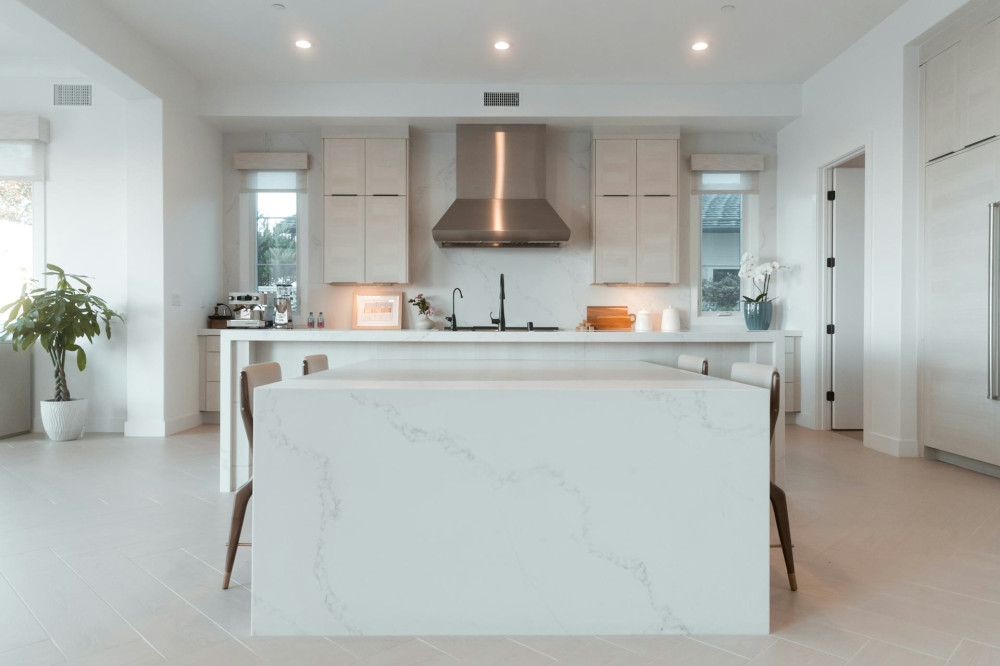
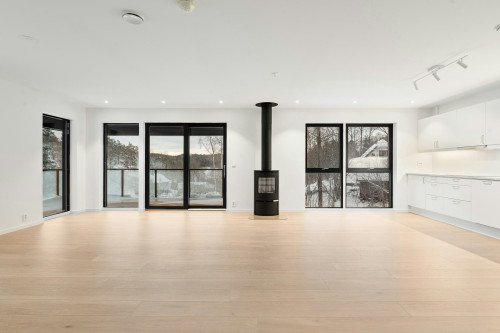
A neutral floor brings balance and harmony to a room. It reflects light in a soft, natural way, helping even smaller spaces feel more open and airy. Neutrals also pair beautifully with a wide range of interior styles—from modern farmhouse and coastal to mid-century and contemporary.
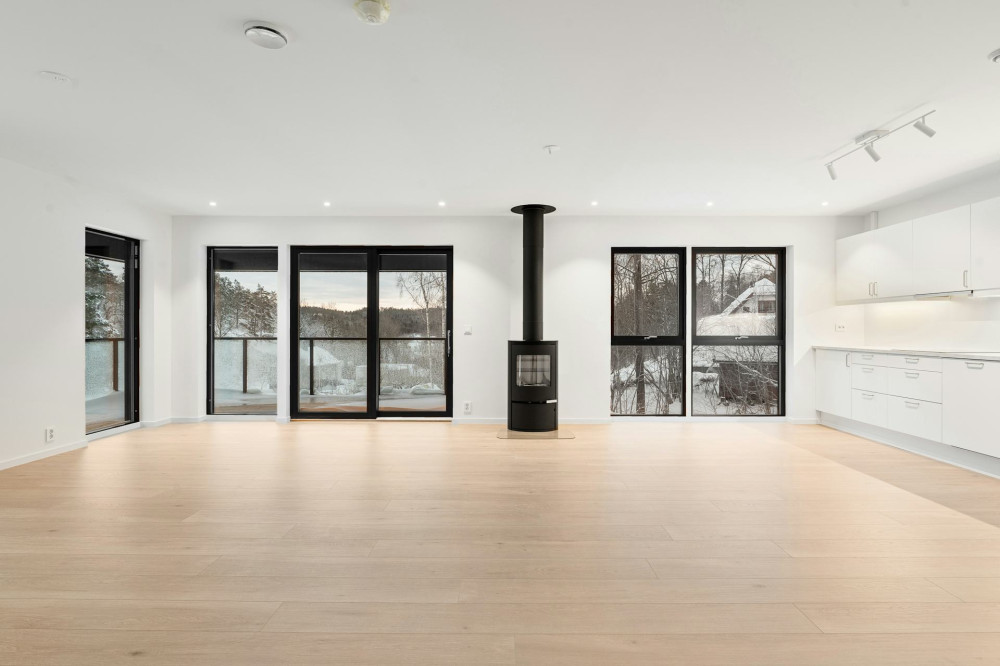
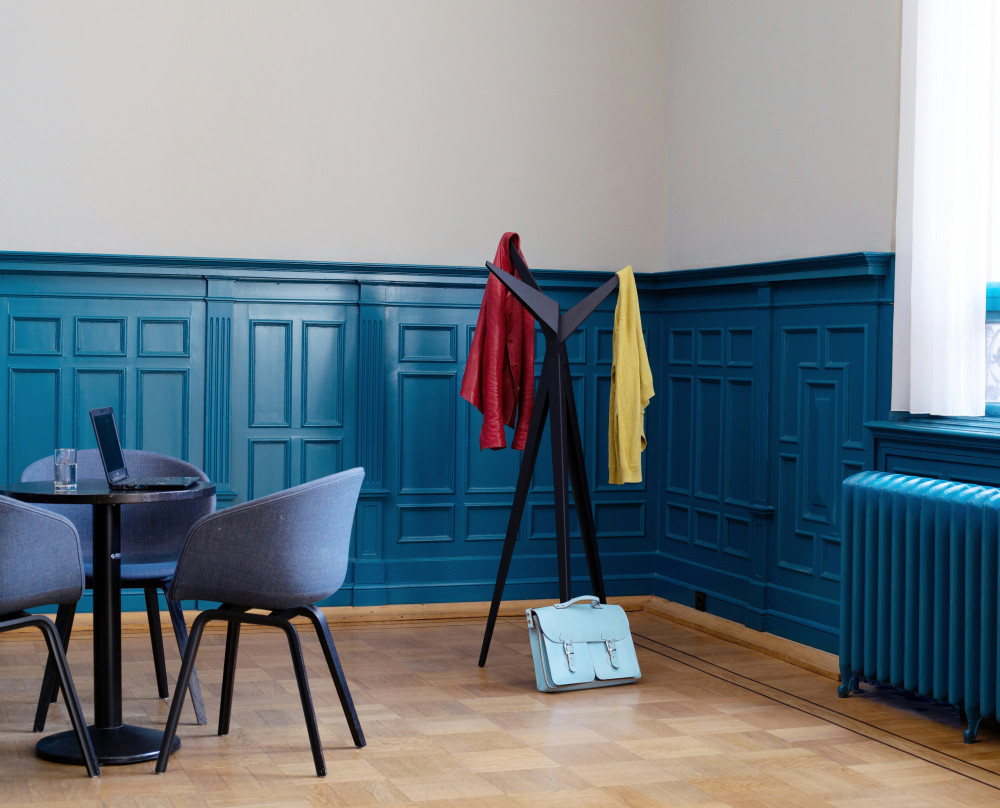
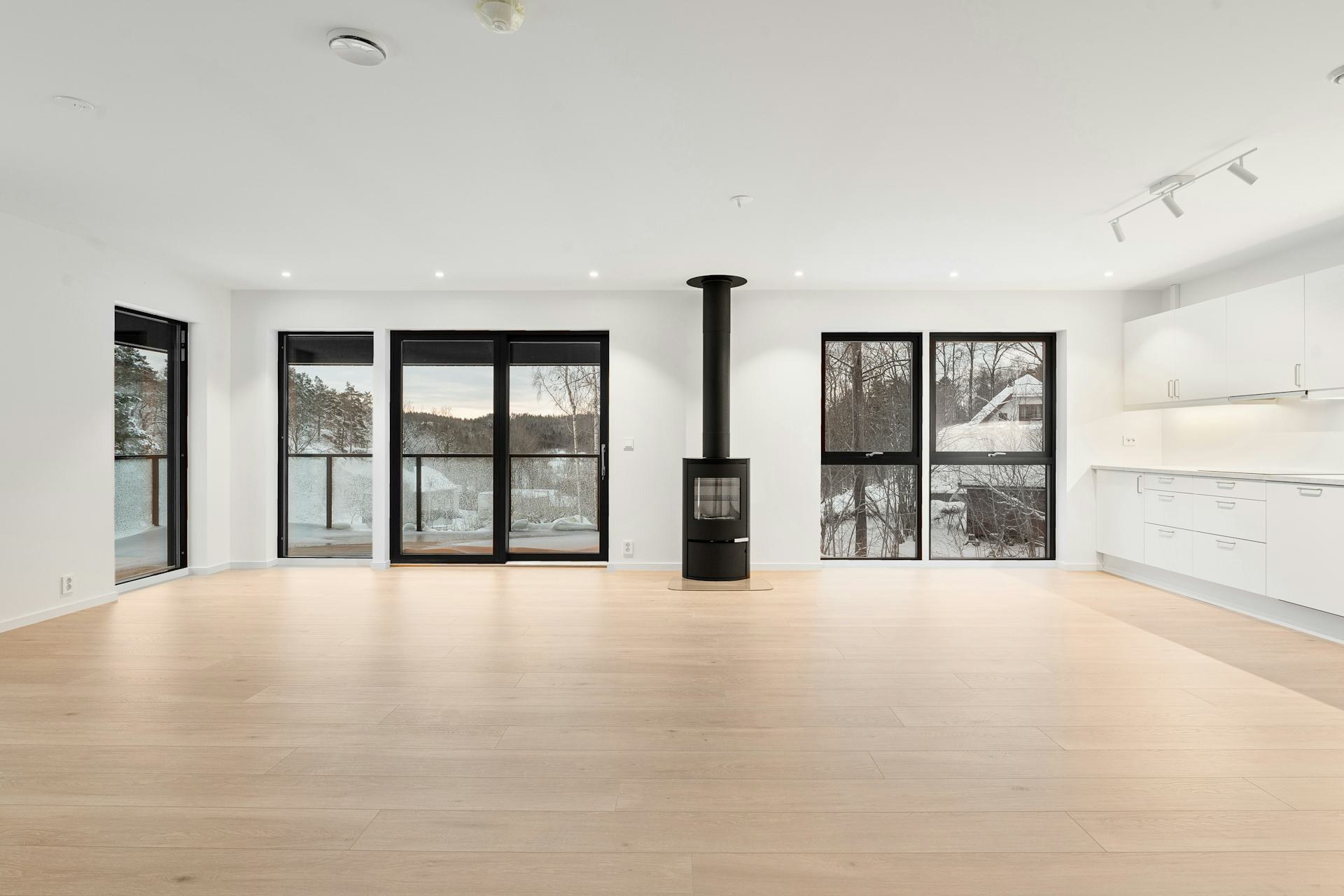
A light oak hardwood or gray-toned vinyl plank floor, for example, can serve as a base for countless looks. You can layer in bold wall colors and patterned textiles for a lively, personal touch, or keep the palette subdued for a minimalist, serene feel. This flexibility is what makes neutral floors such a smart, long-term choice for any home.
Læs også:
A Practical and Stylish Solution
Beyond aesthetics, neutral floors offer practical advantages. Medium-toned surfaces tend to hide dust, pet hair, and everyday wear better than very dark or very light floors. That makes them ideal for busy households with kids or pets, where durability and easy maintenance are key.
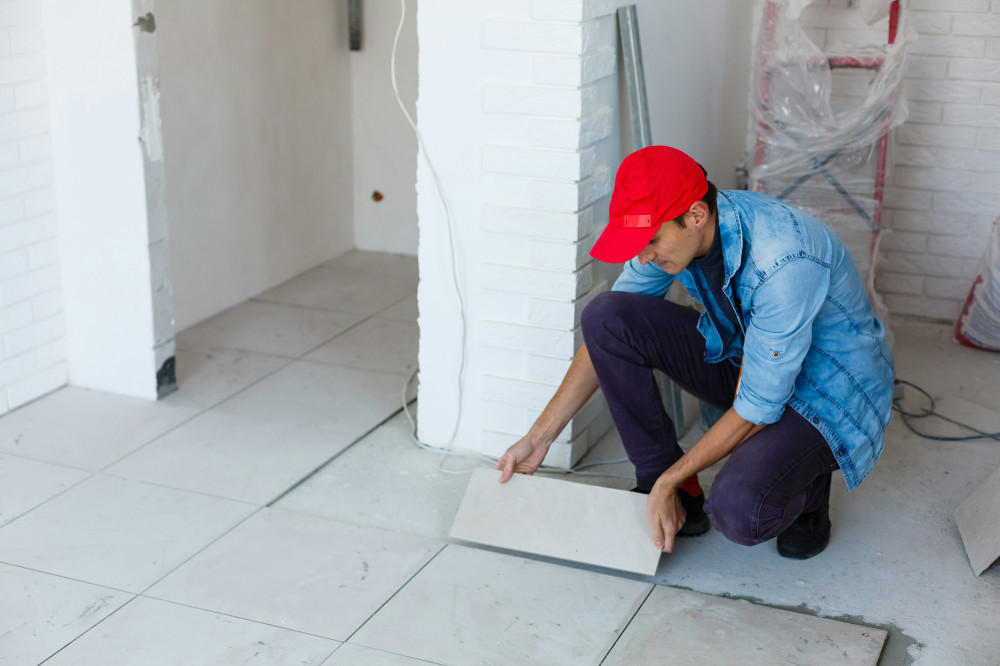
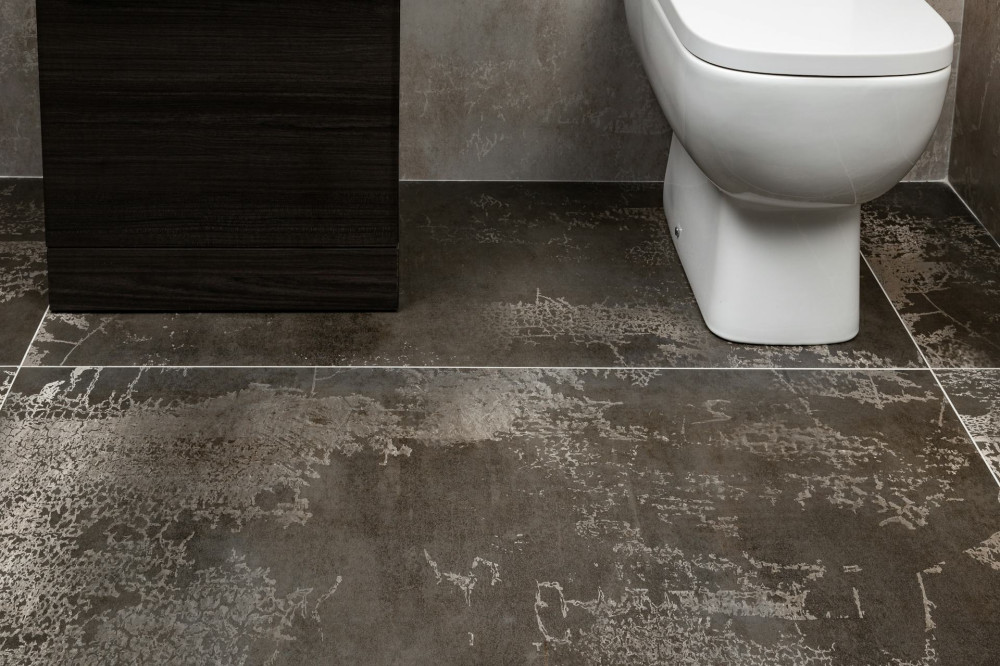
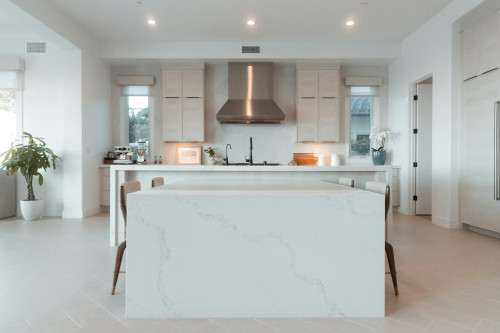
There are plenty of material options to choose from—engineered wood, laminate, luxury vinyl, and tile all come in a wide range of neutral shades. Natural materials like wood add warmth and texture, while stone-look tiles or concrete finishes can bring a sleek, modern edge. Whatever your preference, a neutral tone ensures the floor remains timeless and adaptable.
Change Your Style Without Changing the Floor
One of the biggest benefits of neutral flooring is the freedom it gives you to evolve your interior style. You can easily update your home with new paint colors, furniture, or décor without worrying about clashing with the floor. This makes it simple to follow trends or shift the mood of a room without a major renovation.
A beige floor, for instance, can complement both warm earth tones and cool blues. Similarly, a gray floor can support anything from an industrial loft look to a cozy cottage vibe. Think of the floor as a flexible frame—one that supports your creativity rather than limits it.
How to Choose the Right Shade
When selecting a neutral floor color, consider the room’s natural light and size. In bright, sunlit spaces, cooler grays can create a crisp, elegant atmosphere. In rooms with less light, warmer tones like honey, taupe, or greige can add a sense of comfort and coziness. Always test samples in your actual space—lighting can dramatically change how a color appears throughout the day.
Also, think about how the floor interacts with your walls, ceilings, and furnishings. A neutral floor doesn’t have to be flat or uniform; subtle variations in grain, texture, or tone can add depth and character without overwhelming the room.
A Timeless Choice with Endless Possibilities
Neutral floor colors aren’t just a passing trend—they’re a timeless foundation for a flexible, harmonious home. Whether your style leans modern, traditional, or somewhere in between, a neutral floor provides the perfect base for your personal expression.
By choosing a subtle, balanced floor color, you’re investing in a home that can grow and change with you—always feeling cohesive, comfortable, and beautifully put together, no matter how your style evolves.
Læs også: