Minor Floor Flaws? How to Spot and Fix Them Before They Get Worse

Minor Floor Flaws? How to Spot and Fix Them Before They Get Worse
A beautiful floor can transform the look and feel of your home—but even small flaws can quickly turn into bigger problems if left unchecked. Creaks, cracks, or discoloration might seem harmless at first, but they can signal moisture issues, subfloor movement, or wear that needs attention. Here’s how to spot early signs of trouble and fix them before they become costly repairs.
Watch for the Small Signs
Most floor problems start subtly. By paying attention to changes in appearance and sound, you can often catch issues before they spread.
- Creaks or movement – A floor that flexes or squeaks may have loose boards, shifting subfloor panels, or humidity-related expansion and contraction.
- Cracks and gaps – Small gaps between planks or tiles can be normal, but widening cracks may indicate excessive movement or drying.
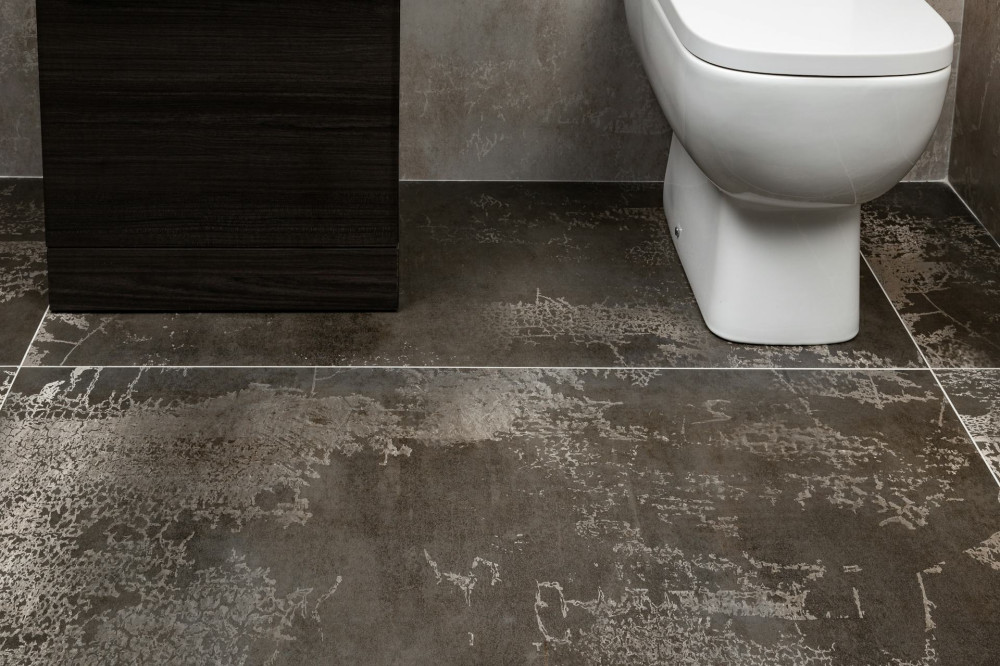
- Discoloration – Dark spots or stains can point to moisture problems, especially near baseboards, under rugs, or around appliances.
- Uneven areas – A floor that feels bumpy or sloped could signal subfloor damage or moisture beneath the surface.
Make it a habit to inspect your floors a couple of times a year—especially during seasonal transitions when temperature and humidity fluctuate the most.
Find the Cause, Not Just the Symptom
When you notice a flaw, it’s important to identify the root cause before making repairs. Otherwise, the problem may return.
- Moisture is one of the most common culprits. Check for plumbing leaks, poor ventilation, or missing vapor barriers—especially in basements, kitchens, and bathrooms.
- Subfloor movement can occur if the floor wasn’t installed properly or if the subfloor has weakened over time.
- Wear and tear often shows up in high-traffic areas. Refinishing or resealing may be enough to restore the surface.
If you’re unsure what’s causing the issue, consider having a flooring professional or home inspector take a look—particularly if you suspect moisture or structural damage.
Læs også:
How to Fix Common Floor Flaws
Squeaky Floors
Squeaks happen when boards rub against each other or the subfloor. Try tightening the boards with screws driven through the tongue and groove. If that doesn’t help, sprinkle a small amount of powdered graphite or talcum powder between the boards to reduce friction.
Cracks and Gaps
Small gaps in hardwood floors can often be filled with wood filler or color-matched wax sticks. For larger cracks, you may need to replace individual boards. Keep an eye on indoor humidity—air that’s too dry can cause wood to shrink and separate.
Discoloration
If the discoloration is only on the surface, light sanding and refinishing may solve the problem. But if moisture is the cause, locate and fix the source first—then repair or replace the affected flooring.
Uneven Floors
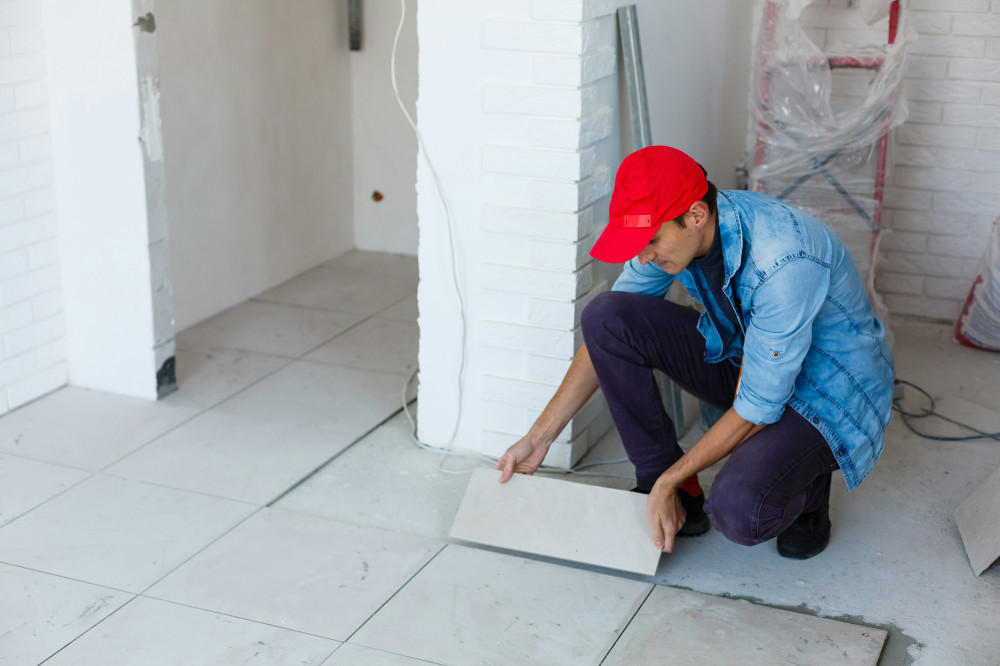
Uneven spots usually require checking the subfloor. Minor dips can sometimes be leveled with floor patch compound, but significant unevenness may mean the floor needs to be lifted and reinstalled.
Prevent Future Problems
A well-maintained floor can last for decades. Here are a few simple habits to extend its life:
- Maintain consistent humidity – Use a humidifier in winter or a dehumidifier in summer to keep levels stable.
- Use felt pads under furniture legs to prevent scratches.
- Clean gently – Use products designed for your floor type and avoid excessive water.
- Inspect joints and edges regularly, especially in entryways and kitchens where moisture and wear are common.
By addressing small flaws early and maintaining your floors regularly, you can avoid major repairs and keep your home looking its best for years to come.
When to Call a Professional
While many minor issues can be handled on your own, some situations call for expert help. If you notice persistent moisture, significant movement, or spreading discoloration, contact a flooring contractor or building specialist. They can determine whether it’s a surface issue or something deeper that needs structural attention.
A healthy floor isn’t just about appearance—it’s also about your home’s comfort and durability. Acting early, even on small flaws, is the best way to protect both.
Læs også: