Solar Panels for Your Vacation Home: Sustainable Energy for Leisure Living

Solar Panels for Your Vacation Home: Sustainable Energy for Leisure Living
More and more Americans are choosing to install solar panels on their vacation homes. It’s not just about saving money on electricity—it’s also about embracing a more sustainable way to enjoy leisure time. With solar energy, you can power your getaway with clean, renewable electricity while reducing your dependence on fossil fuels. Here’s how solar panels can make your vacation home greener, more self-sufficient, and more affordable to maintain.
Why Choose Solar Panels for Your Vacation Home?
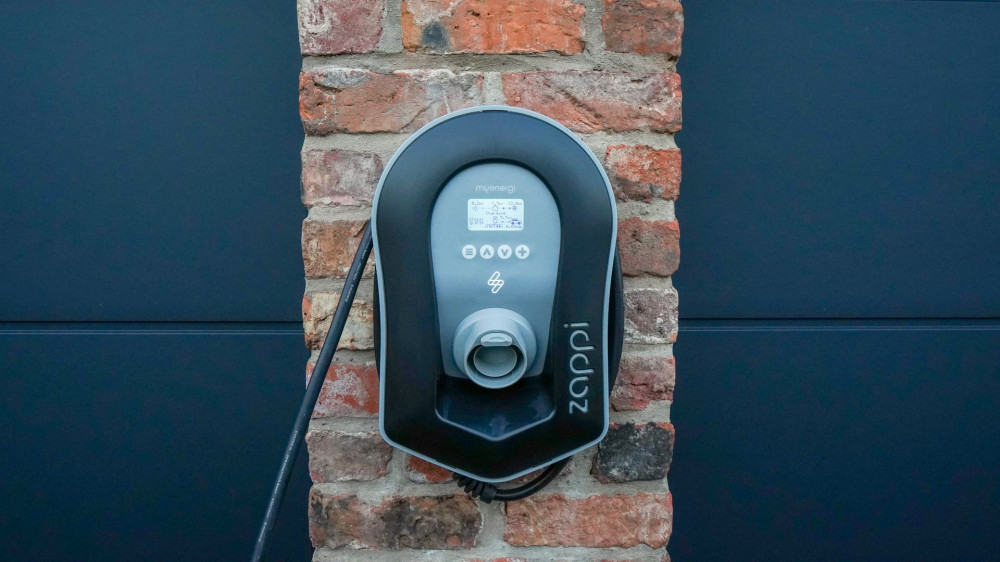
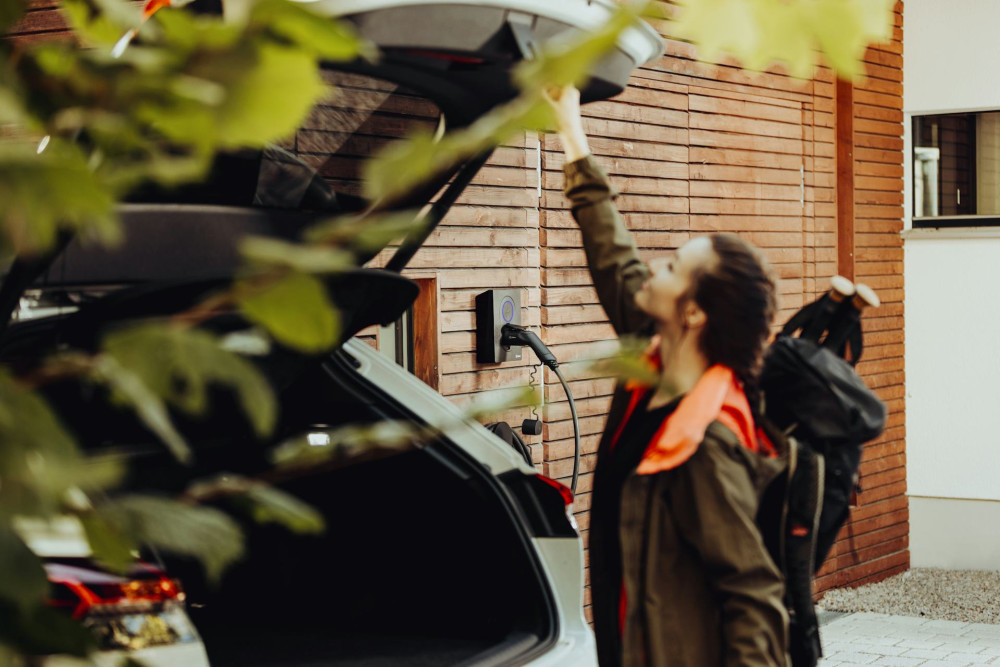
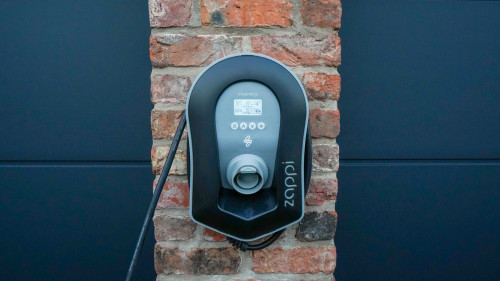
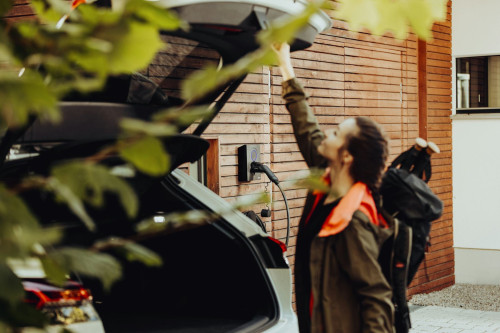
Vacation homes are often used during sunny months—exactly when solar panels generate the most power. That makes them a perfect match. Solar energy can run everything from your refrigerator and lighting to air conditioning and electric vehicle charging. Any excess energy can be stored in batteries or sent back to the grid, depending on your setup.
Solar panels also require very little maintenance and typically last 25–30 years. Over time, the investment can pay for itself, especially if you use your vacation home frequently or rent it out during peak seasons.
How Solar Power Works in Practice
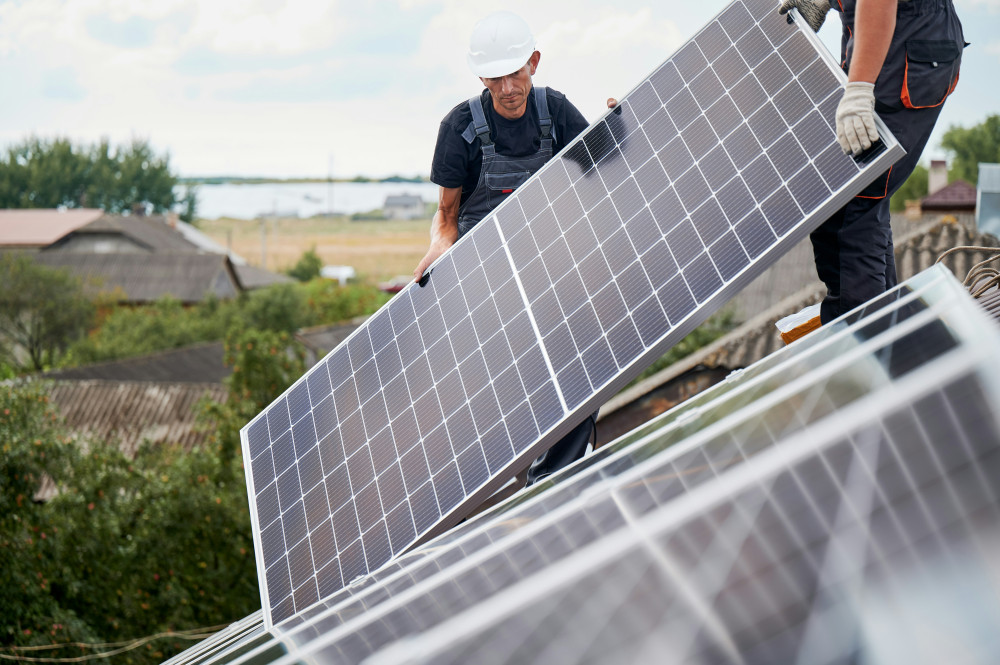
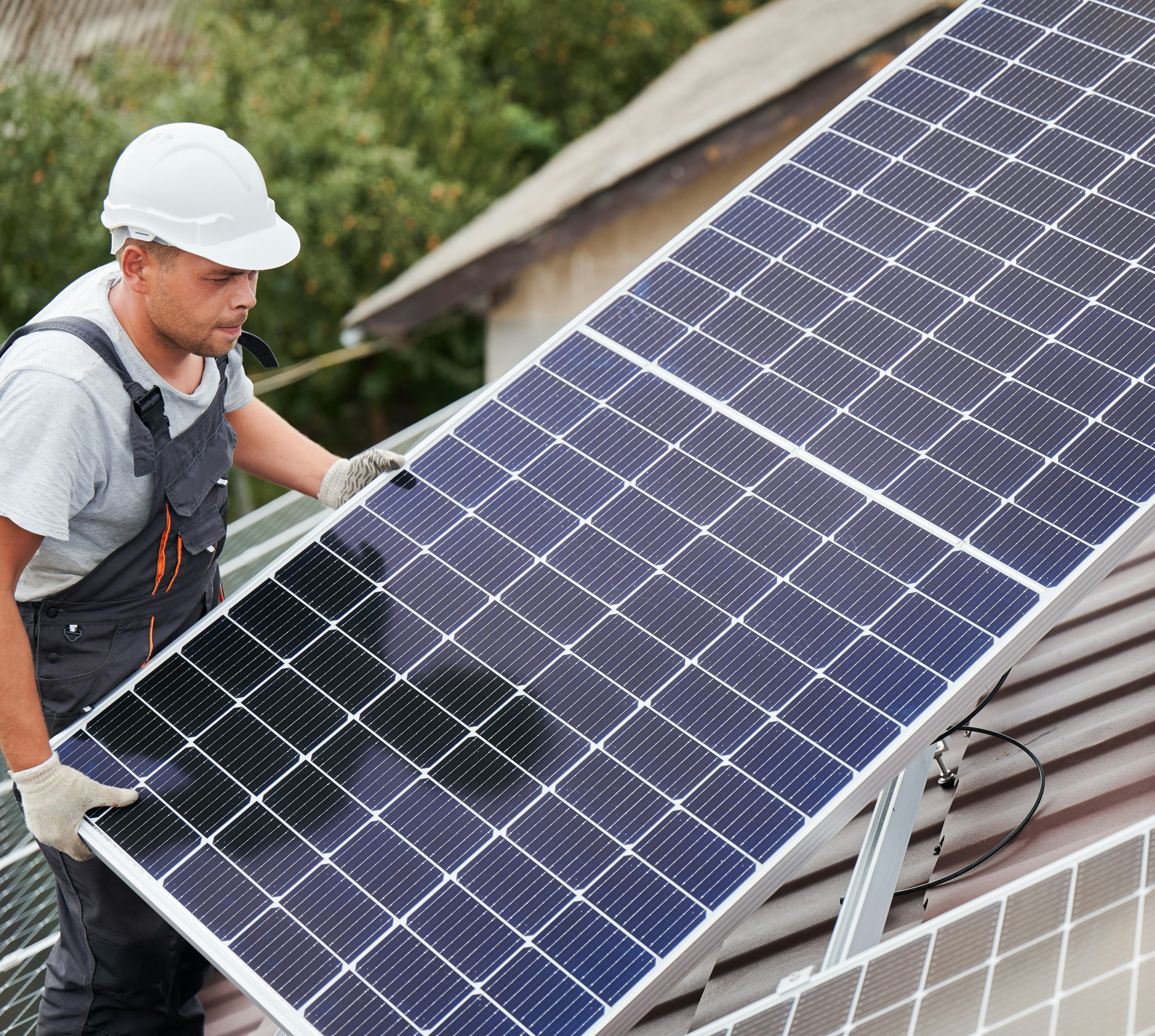
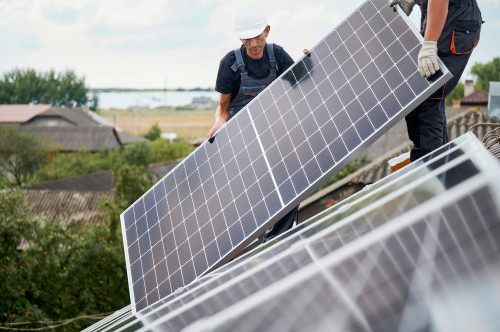
A solar power system consists of panels that convert sunlight into electricity and an inverter that transforms it into the type of current your home uses. The system can be connected to the grid or paired with a battery for energy storage.
- Grid-tied system: Produces electricity for immediate use, with surplus power sent to the grid. You may receive credits through net metering, depending on your state’s policies.
- Off-grid system: Operates independently of the grid and requires battery storage. This is ideal for remote cabins or beach houses without reliable grid access.
The right choice depends on your home’s location, your energy needs, and whether you want full independence from the grid.
What Does It Cost—and What Can You Save?
The cost of a solar system for a vacation home varies by size and type but typically ranges from $10,000 to $25,000 before incentives. A smaller system can cover basic needs, while a larger one can power the entire home, including heating, cooling, and EV charging.
Savings depend on your energy use and local electricity rates, but many homeowners find that solar pays for itself within 8–12 years. Federal tax credits and state incentives can shorten that payback period even further. Combine solar with energy-efficient upgrades—like LED lighting, smart thermostats, and good insulation—and you’ll maximize your savings.
Solar and Battery Storage—Freedom from the Grid
Adding a battery allows you to store the electricity your panels produce during the day for use at night or on cloudy days. This increases your energy independence and provides peace of mind during power outages.
Battery technology has become more affordable and efficient in recent years, making solar-plus-storage systems a popular choice for vacation homes. For off-grid properties, a battery is essential, but even grid-tied homes benefit from the added flexibility and backup power.
Permits and Local Regulations
Before installing solar panels, check local building codes and homeowners’ association (HOA) rules. Some communities have restrictions on panel placement or appearance. You’ll also need to ensure your installer obtains the necessary permits and coordinates with your utility company for grid connection and net metering.
If you rent out your vacation home, solar panels can also boost its appeal and potentially increase its property value. Many renters appreciate eco-friendly features and lower utility costs.
Læs også:
Tips for Installation and Maintenance
- Placement: Install panels facing south (or southwest) with minimal shading from trees or nearby structures.
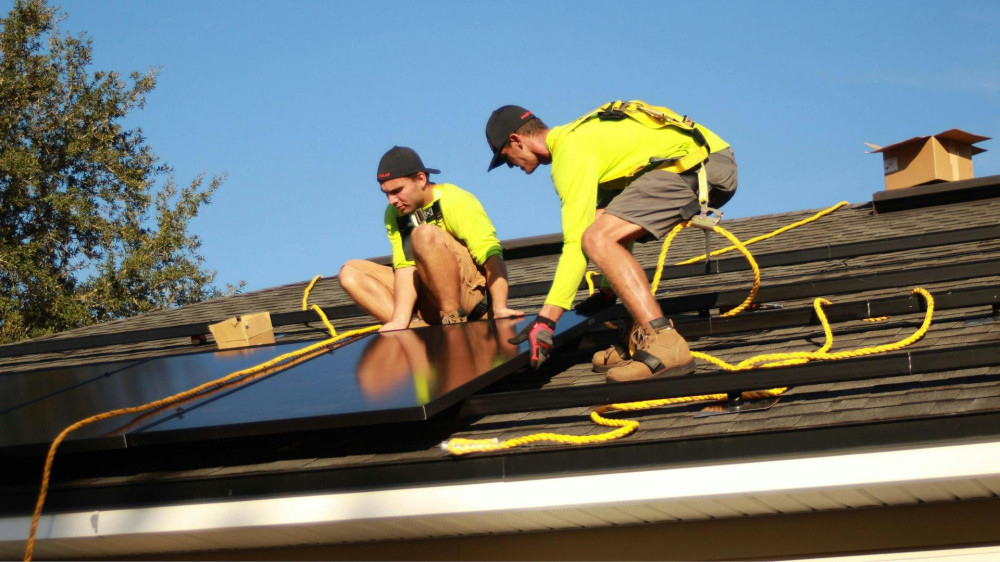
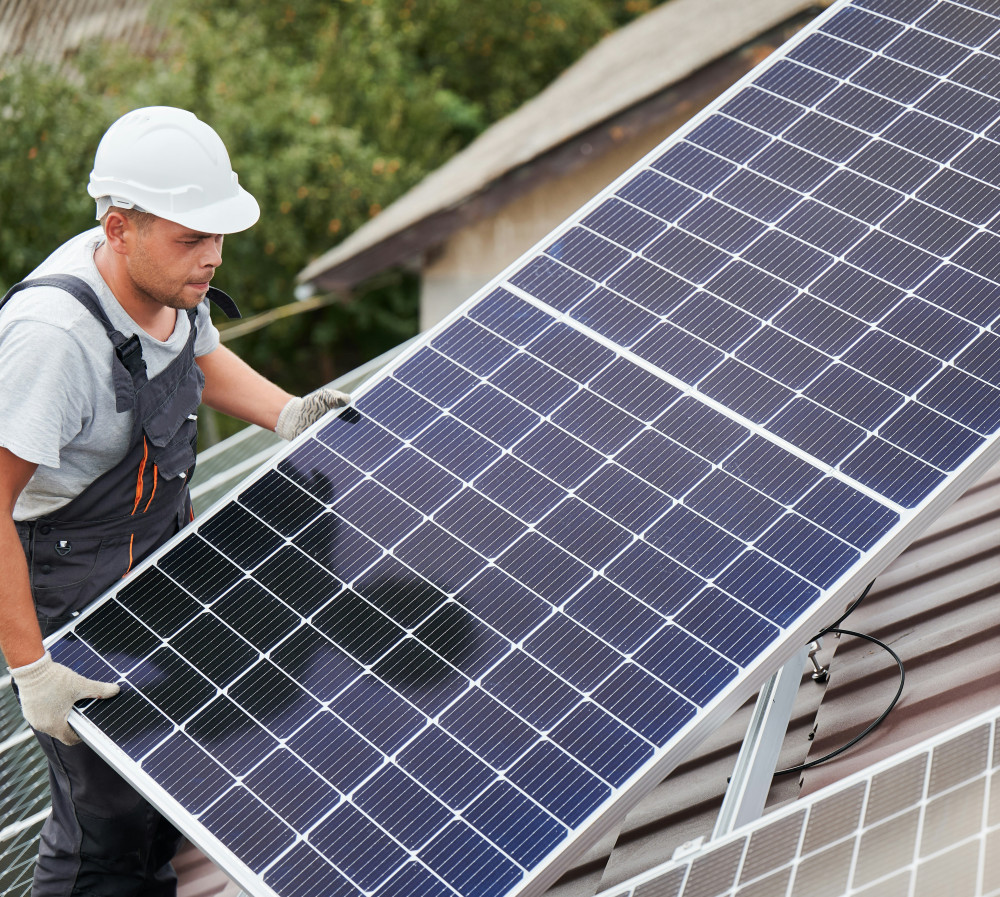
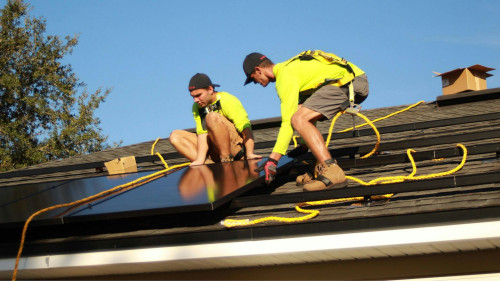
- Professional installation: Hire a licensed solar contractor to ensure proper setup, safety, and warranty coverage.
- Cleaning: Solar panels need little upkeep, but it’s wise to remove dust, leaves, or snow a few times a year for optimal performance.
- Monitoring: Many systems include apps that let you track energy production and usage in real time.
A Greener Way to Enjoy Your Getaway
Installing solar panels on your vacation home isn’t just a financial decision—it’s a lifestyle choice. You’ll reduce your carbon footprint, harness the power of nature, and enjoy the satisfaction of producing your own clean energy.
For many homeowners, solar power becomes part of the joy of owning a vacation home: living closer to nature, using resources wisely, and creating a comfortable, responsible retreat for years to come.
Læs også: