Self-Care in Everyday Life – How to Create a Plan That Lasts


Self-Care in Everyday Life – How to Create a Plan That Lasts
Self-care has become one of the most talked-about topics in recent years—and for good reason. Between work, family, social commitments, and the constant buzz of digital life, it’s easy to lose sight of your own needs. But self-care isn’t about luxury or indulgence. It’s about taking responsibility for your physical, mental, and emotional well-being in a way that’s sustainable. Here’s how to create a self-care plan that fits your everyday life and actually lasts.
What Self-Care Really Means
Self-care is everything you do to maintain or restore your energy and sense of balance. It can be as simple as getting enough sleep, eating regular meals, moving your body, saying no when you need to, or taking a break before you burn out.
It’s important to remember that self-care isn’t selfish. In fact, it helps you show up better for others when you’re not running on empty. A good self-care plan is about balance, not perfection.
Start by Checking In With Yourself
Before you can create a plan that works, you need to understand what you truly need. Many of us move through our days on autopilot and only notice we’re stressed or exhausted when our bodies start to protest.
Ask yourself a few simple questions:
- When do I feel most calm and content?
- What drains my energy during the day?
- Which habits help me feel good—and which ones don’t?
Write down your answers. Seeing them on paper gives you a clearer picture of where you are and what areas need attention.
Set Realistic Goals
One of the biggest pitfalls in self-care is trying to do too much at once. You don’t need a total lifestyle overhaul to feel better. In fact, small, realistic steps are far more effective.
Start by choosing one thing to focus on for the next couple of weeks. It could be:
- Taking a short walk every day.
- Turning off screens an hour before bed.
- Eating lunch away from your desk.
- Saying no to one extra commitment.
Once that habit feels natural, you can build from there.
Create Structure—With Flexibility
A self-care plan should fit your life, not complicate it. Think in terms of routines rather than strict rules.
Try making a weekly plan where you schedule time for yourself just like you would a meeting or workout. For example:
- Monday: 10 minutes of morning stretching.
- Wednesday: Evening walk without your phone.
- Friday: A long shower and relaxing music.
- Sunday: Prep healthy meals for the week.
But remember—your plan should support you, not stress you out. If you skip a day, forgive yourself and start again tomorrow. Self-care is about kindness, including toward your own missteps.
Find Your Own Kind of Calm
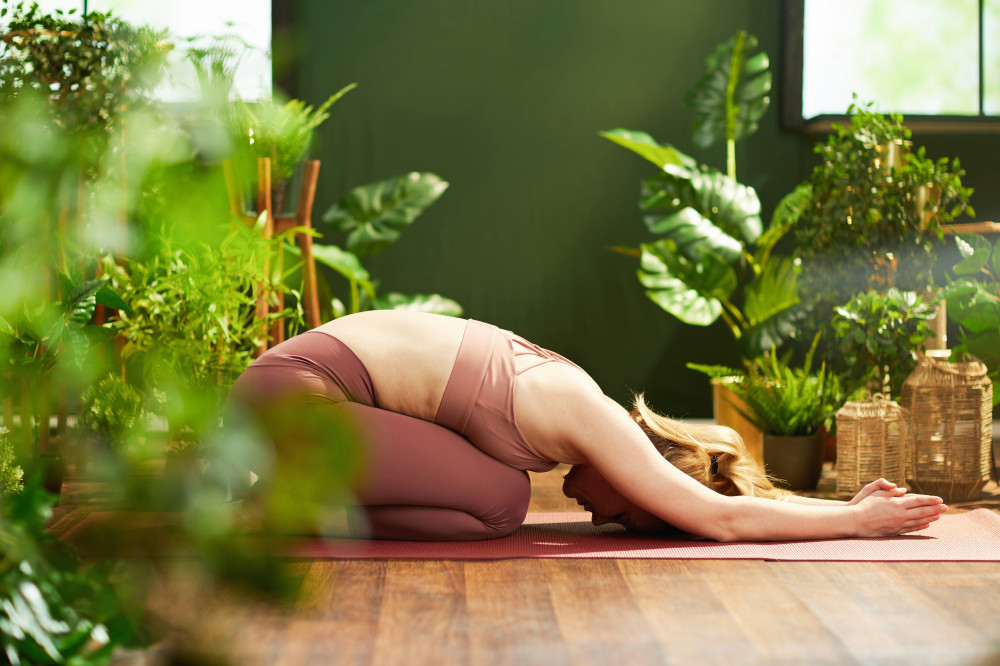
There’s no single right way to practice self-care. For some, it’s meditation or yoga; for others, it’s baking, painting, running, or listening to music. The key is that it feels nourishing, not like another task on your to-do list.
Experiment and notice what brings you peace. Maybe it’s sitting quietly with a cup of coffee, taking a long bath, or spending time outdoors. Small, consistent moments of calm can make a big difference over time.
Stay Consistent—Even When Life Gets Busy
It’s easy to take care of yourself when things are going smoothly. The challenge comes when your schedule fills up or your energy dips. That’s why it helps to have a plan that can adapt.
Create a “minimum plan” for busy times—the basic things that keep you grounded. For example:
- Getting at least 7 hours of sleep.
- Drinking water throughout the day.
- Taking a few deep breaths when you feel stressed.
Even small actions can help you stay centered until you have more time and energy again.
Læs også:



Make Self-Care a Natural Part of Life
When self-care becomes part of your daily rhythm, it stops feeling like something you have to remember—it becomes a way of living. Over time, you’ll notice that you respond more quickly to signs of stress and find it easier to stay calm in the middle of chaos.
Self-care isn’t a project with an end date. It’s a lifelong practice that grows and evolves with you. By starting small, staying flexible, and treating yourself with compassion, you can create a plan that truly lasts.
Læs også: