Protect Wood in Coastal Areas from Moisture and Wear

Protect Wood in Coastal Areas from Moisture and Wear
Living near the ocean has undeniable appeal — fresh air, open views, and the soothing sound of waves. But for wood, coastal life can be tough. Constant exposure to moisture, salt, and wind accelerates wear and decay. Without proper protection, even new wood can quickly turn gray, crack, or develop mold and rot. Here’s how to keep your wood structures strong and beautiful for years, even in the challenging coastal climate.
Understand the Challenges of Coastal Climates
Coastal environments combine high humidity, salt-laden air, and fluctuating temperatures — a harsh mix for wood. Salt particles attract and hold moisture, keeping surfaces damp longer and increasing the risk of mildew and rot. At the same time, strong sun and wind can dry out the surface, causing cracks and weakening the wood’s natural defenses.
That’s why wood near the coast needs more durable treatments and more frequent maintenance than wood in inland areas.
Choose the Right Type of Wood
If you’re building or replacing outdoor wood structures, the type of wood you choose makes a big difference. Some species naturally resist moisture and salt better than others.
- Pressure-treated pine – an affordable option that resists moisture well but needs surface protection to stay attractive.
- Cedar or redwood – naturally rich in oils that help prevent rot and insect damage.
- Teak or ipe – premium hardwoods that are extremely durable and ideal for decks, railings, and furniture in exposed coastal settings.
Whatever species you choose, make sure the wood is properly dried and treated before installation.
Prepare the Surface Thoroughly
A lasting finish starts with a clean, dry surface. Remove dirt, algae, and loose paint with a brush or a mild wood cleaner. If the wood is weathered, lightly sand it to create a smooth surface that allows the protective coating to penetrate evenly.
Always let the wood dry completely before applying any finish — trapped moisture can cause bubbling, peeling, or mold growth under the coating.
Læs også:

Select the Right Wood Protection
In coastal areas, use a breathable yet water-repellent wood finish. This allows internal moisture to escape while keeping rain and saltwater out.
There are two main types of finishes:
- Transparent stains or oils – highlight the wood’s natural grain and color but require more frequent reapplication.
- Solid-color paints or stains – form a stronger barrier against the elements and last longer, though they hide the wood’s texture.
Choose products labeled for coastal or marine environments. These often include UV blockers and mildewcides to prevent fading and algae growth.
How to Apply the Finish
- Stir thoroughly – pigments and protective agents must be evenly mixed.
- Apply in dry, mild weather – avoid direct sunlight or high humidity.
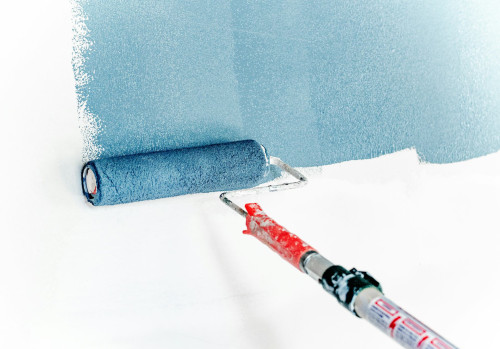
- Brush along the grain – this ensures better penetration and a smoother look.
- Use two coats – especially on end grain and joints where moisture tends to enter.
- Maintain regularly – inspect the surface each year and refresh the finish when color or sheen begins to fade.
Prevent Damage Through Smart Design
Even the best coating can’t make up for poor construction. Design wood structures so water can drain and air can circulate. Avoid flat surfaces where water pools, and use stainless steel fasteners to prevent rust stains and corrosion.
Adding small drip edges or bevels to boards and trim helps direct water away from the surface — a simple detail that greatly extends the life of your wood.
Think About the Whole Setting
If your deck, siding, and fencing are all made of wood, consider treating them with the same type of finish and color tone. This creates a cohesive look and simplifies maintenance, since you can use the same products and techniques throughout your property.
Watch for Early Signs of Wear
Even well-protected wood in coastal areas needs regular attention. Look for:
- Gray or rough surfaces – signs of drying and UV damage.
- Dark spots – possible mold or mildew growth.
- Cracks or peeling – indications that the finish is no longer sealing properly.
Catching these issues early makes repairs easier and prevents deeper damage.
A Lasting, Beautiful Result
With the right combination of wood type, protective treatment, and ongoing care, your coastal woodwork can stay strong and attractive for many years. It takes a bit of extra effort, but the reward is a home that stands up to the sea breeze and salt air while keeping its natural warmth and charm.
Læs også: