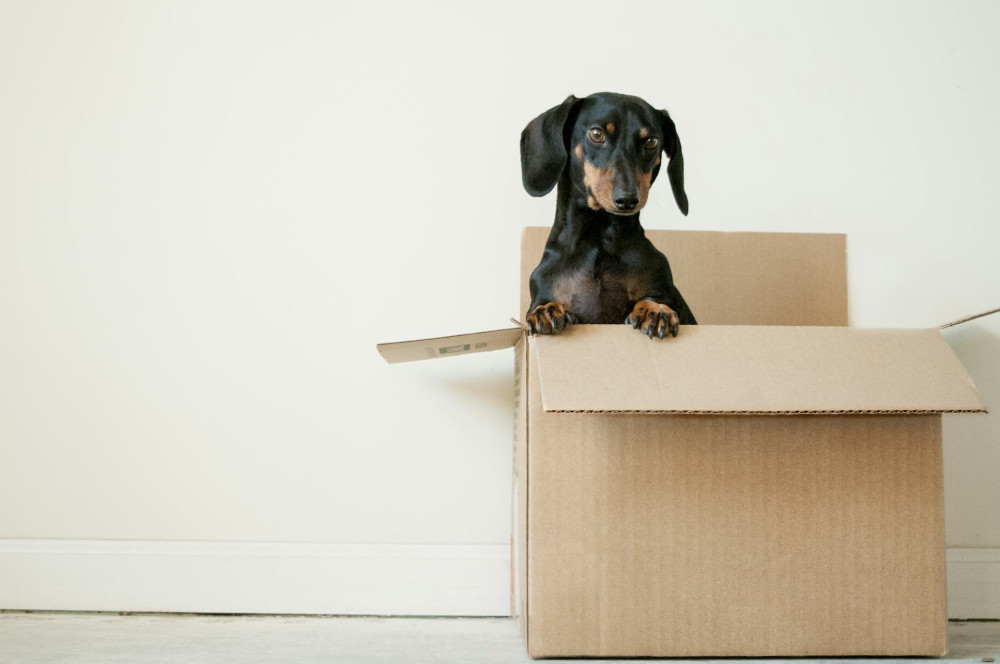
Moving with Pets: How to Reduce Your Pet’s Stress


Moving with Pets: How to Reduce Your Pet’s Stress
Moving is rarely a calm experience—for people or for pets. For animals, the sudden change in environment, smells, and sounds can be confusing and stressful. Their familiar routines disappear overnight, and they may not understand what’s happening. With some planning and patience, however, you can make the transition much easier for your furry (or feathered) family members. Here’s how to help your pet stay calm and comfortable during a move.
Understand Your Pet’s Reaction
Every animal reacts differently to change. Dogs might become clingy or restless, while cats often hide or refuse to eat. Small pets like rabbits or guinea pigs may seem skittish or eat less than usual. The key is to watch for changes in behavior and give your pet time to adjust.
Remember, pets don’t understand why their world is changing—they just sense that something familiar is gone. The more stability and reassurance you can provide, the better they’ll cope.
Prepare Well in Advance
A smooth move starts long before moving day. Begin by introducing your pet to moving boxes, carriers, or crates early on. Let them explore these items at their own pace so they don’t associate them with stress.
- Keep routines consistent – Feed, walk, and play with your pet at the usual times.
- Pack gradually – Avoid turning the house upside down all at once.
- Hold on to comfort items – Blankets, toys, and beds that smell like home can help your pet feel secure.
If your pet is particularly sensitive, talk to your veterinarian about calming aids such as pheromone sprays, supplements, or other safe options.
On Moving Day
Moving day can be chaotic—loud noises, open doors, and strangers coming in and out. To keep your pet safe and calm, set them up in a quiet, secure space away from the action. You might even consider having them stay with a trusted friend or at a reputable boarding facility until the move is complete.
- Dogs: Take them for a long walk before the movers arrive to help them burn off energy.
- Cats: Keep them in a closed room with food, water, and a litter box so they don’t slip out unnoticed.
- Small pets: Transport them in sturdy carriers covered with a light blanket to reduce visual stress.
Avoid scolding your pet if they seem anxious—stress is a normal reaction to such a big change.
Læs også:



Settling into the New Home
Once you arrive, focus on creating a sense of safety and familiarity. Start by setting up one quiet room with your pet’s bed, toys, and food bowls. Let them explore gradually, one area at a time.
- Dogs: Take short walks around the neighborhood so they can get used to new sights and smells.
- Cats: Keep them indoors for at least a couple of weeks until they seem comfortable and oriented.
- Small pets: Place their cage in a calm, draft-free area away from loud noises.
Praise and reward your pet when they show curiosity or calm behavior—positive reinforcement helps them feel secure.
Reestablish Routines Quickly
Animals thrive on predictability. The sooner you return to regular feeding, walking, and play schedules, the faster your pet will settle in. Try to avoid changing their diet or daily rhythm right after the move.
Your own mood matters, too. Pets pick up on your emotions, so staying calm and patient will help them relax as well.
Be Patient—and Seek Help if Needed
Some pets adjust within days, while others may take weeks. Patience is key. If your pet continues to show signs of stress—such as loss of appetite, aggression, or excessive barking—consult your veterinarian or a certified animal behaviorist.
Moving is a big transition, but it’s also a chance to start fresh together. With consistency, comfort, and care, your pet will soon feel right at home again.
Læs også: