Moving Day with Pets – How to Make It a Stress-Free Experience

Moving Day with Pets – How to Make It a Stress-Free Experience
Moving to a new home is a big event — not just for you, but also for the pets who share your life. New smells, sounds, and surroundings can be confusing and stressful for animals who thrive on routine and familiarity. With a little planning and patience, you can make the transition smoother for your furry (or feathered) family members. Here’s how to help your pet feel safe and comfortable before, during, and after the move.
Prepare Your Pet Ahead of Time
A calm moving day starts well before the moving truck arrives. Pets can sense changes in their environment, and the sight of boxes and the hustle of packing can make them uneasy.
- Stick to routines as much as possible. Keep feeding, walks, and playtime on the same schedule to maintain a sense of normalcy.
- Introduce the carrier early. Leave it out a few days before the move with a familiar blanket or treat inside so your pet associates it with comfort.
- Pack gradually. Avoid turning your home upside down overnight — slow changes are easier for pets to handle.
- Consider pet care for moving day. If possible, have your pet stay with a trusted friend, family member, or at a reputable pet daycare to keep them away from the chaos.
Læs også:

On Moving Day
Moving day can be noisy and hectic, with open doors, movers coming and going, and unfamiliar activity — all of which can make pets anxious.
- Create a safe space. Set up a quiet room in your old home where your pet can stay while movers work. Close the door and post a sign so no one opens it accidentally.
- Use a secure carrier or crate when transporting your pet. Make sure it’s well-ventilated and never leave it in direct sunlight or a hot car.
- Take breaks on long drives. Offer water and, if safe, let your pet stretch their legs.
- Stay calm. Pets pick up on your emotions. If you remain relaxed, they’re more likely to feel secure.
Settling Into the New Home
Your new home will be full of unfamiliar scents and sounds, and it may take time for your pet to adjust.
- Start small. Let your pet explore one room first, filled with familiar items like their bed, toys, and food bowls.
- Keep routines consistent. Feed, walk, and play at the same times as before to help your pet feel grounded.
- Be patient. Some pets adapt quickly, while others need days or even weeks to feel at ease.
- Limit visitors for the first few days so your pet can settle in quietly.
Special Considerations for Different Pets
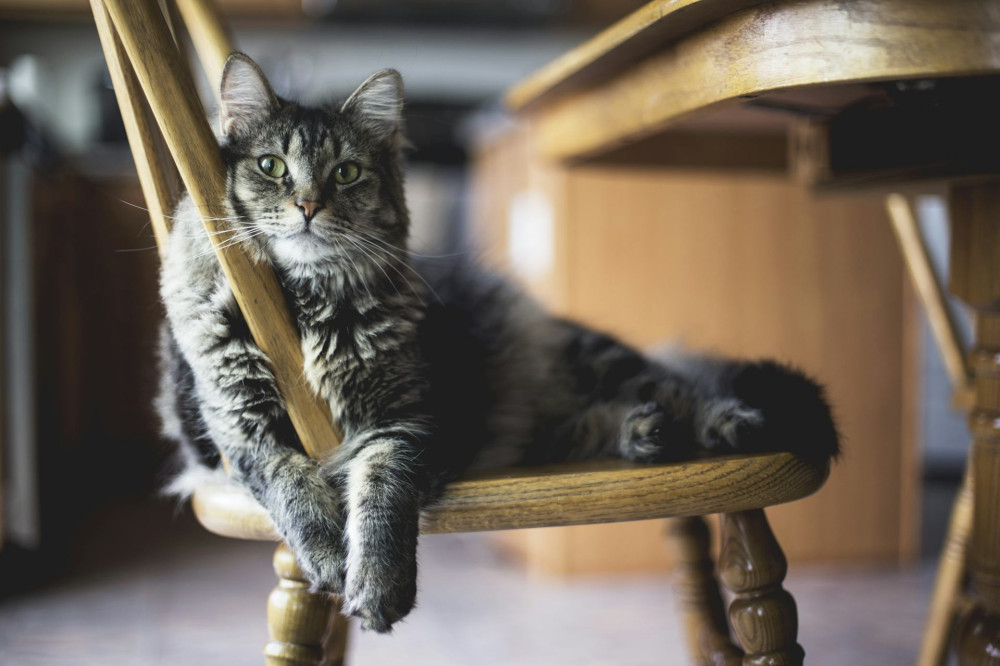
- Cats often need extra time to adjust. Keep them indoors for at least two to three weeks so they can learn the new home’s scents before exploring outside.
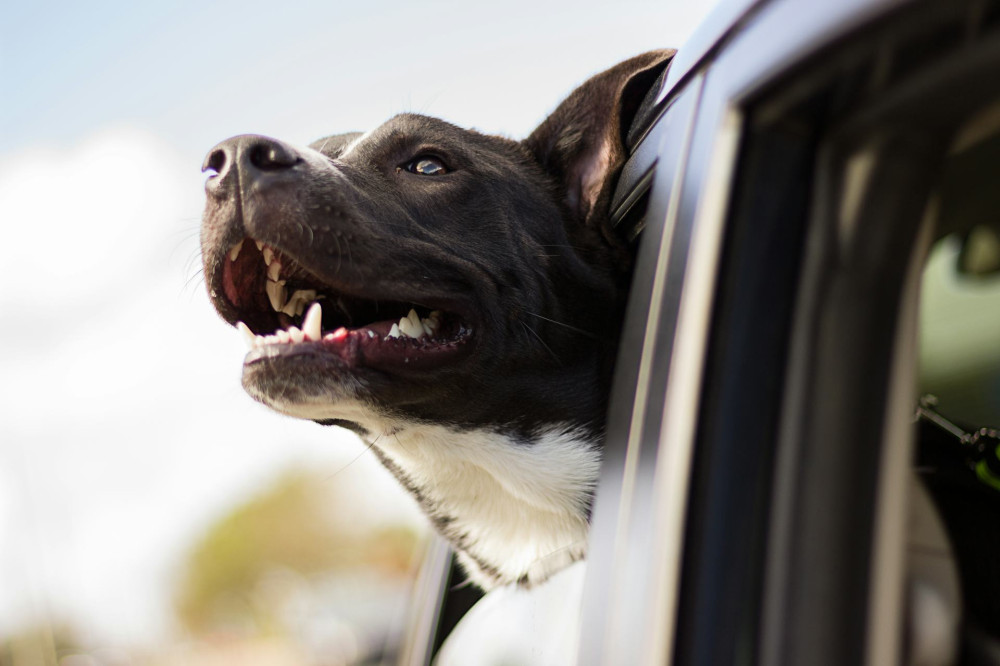
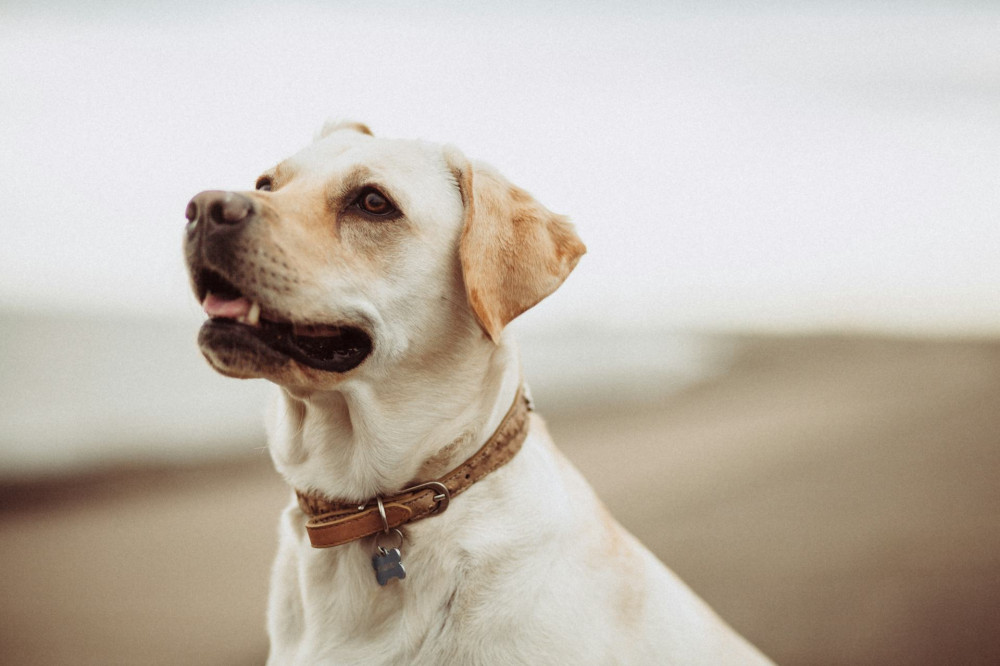
- Dogs benefit from short, frequent walks around the new neighborhood to get familiar with the area.
- Small animals and birds should be placed in a quiet, draft-free spot with their cage or habitat set up just as before. Wait to rearrange anything until they seem comfortable.
- Fish require special care. Use water from the old tank during transport and ensure the temperature stays stable.
Helping Your Pet Feel at Home
Once the boxes are unpacked, focus on rebuilding your pet’s sense of security. Spend extra time playing, cuddling, and offering reassurance. The more positive experiences your pet has in the new space, the faster they’ll settle in.
If your pet shows ongoing signs of stress — such as loss of appetite, restlessness, or unusual behavior — consult your veterinarian or a certified animal behaviorist. Small adjustments to their environment or routine can make a big difference.
A Fresh Start for You and Your Pet
Moving marks the beginning of a new chapter for both you and your pet. With thoughtful preparation, patience, and care, you can turn a potentially stressful experience into a smooth transition. Before long, your new house will feel like home — for every member of the family.
Læs også: