Mirror Vanities: Function Meets Elegance

Mirror Vanities: Function Meets Elegance
Mirror vanities are among the most versatile and impactful elements of bathroom design, combining essential function with visual appeal. They serve the practical purpose of providing a reflective surface for grooming while also enhancing the sense of space and light in a room. In modern interiors, the mirror vanity has evolved beyond its basic role to become a statement feature that influences both the style and functionality of the bathroom.
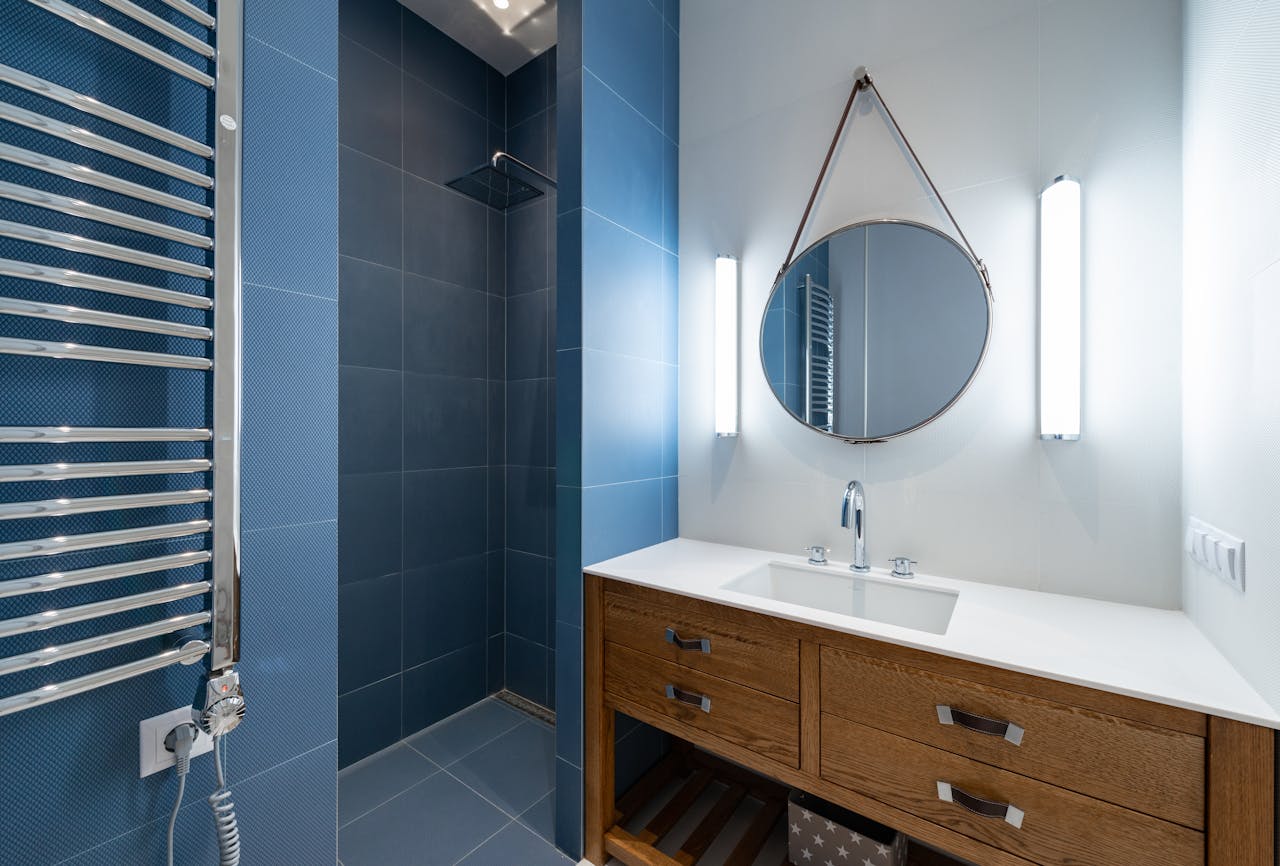
A mirror vanity typically consists of a mirror paired with a vanity unit, often incorporating lighting and storage to increase convenience. The design can range from simple mirrors fixed above a sink to more elaborate installations that integrate cabinets, shelving, and built-in illumination. This combination allows a mirror vanity to act as both a functional necessity and a decorative centerpiece, making it one of the most valued fixtures in any bathroom setting.
One of the primary advantages of a mirror vanity
So, the number one, you ask? It’s gotta be the way it enhances the perception of space. Bathrooms, especially in urban homes, are often compact. By reflecting light and creating the illusion of depth, a mirror vanity can make even the smallest room feel larger and more open. This effect is particularly valuable in apartments or homes where natural light is limited, as mirrors help to brighten spaces and make them appear more welcoming.
In addition to creating visual impact, mirror vanities contribute significantly to organization. Many designs feature hidden or open storage, allowing users to keep toiletries, cosmetics, and other essentials neatly arranged. This reduces surface clutter and helps maintain the clean, orderly appearance that is increasingly valued in contemporary bathroom design. For households with multiple occupants, the addition of storage behind or around the mirror ensures that everyday routines remain smooth and efficient.
Design styles for mirror vanities are highly diverse, making them adaptable to different interiors. Minimalist versions may feature frameless mirrors with integrated lighting, creating a clean and modern look. In contrast, more traditional designs may include framed mirrors with ornate details or wood finishes that evoke a sense of warmth. There are also hybrid styles that combine sleek lines with natural materials, offering versatility for homeowners who want a blend of modern and classic aesthetics.
Materials and finishes play a significant role in the durability and look of mirror vanities. High-quality glass ensures clarity and long-lasting performance, while frames and cabinets may be crafted from wood, metal, or engineered composites. Many modern mirror vanities also incorporate LED lighting, which is energy-efficient and provides ideal illumination for grooming tasks. This built-in lighting can be placed above, behind, or around the mirror, creating a soft glow that enhances both function and atmosphere.
Installation options vary depending on the design. Some mirror vanities are wall-mounted, offering a sleek and space-saving solution, while others are integrated with larger vanity units that include sinks and extensive storage. The choice often depends on the size of the bathroom and the level of functionality desired. Regardless of the style, proper installation ensures that the mirror is secure, well-positioned, and capable of withstanding daily use.