Fall Cleaning: How to Get Your Patio Ready for Winter

Fall Cleaning: How to Get Your Patio Ready for Winter
As summer fades and the air turns crisp, it’s time to think about your outdoor spaces. Fall is the perfect season to give your patio a deep clean and prepare it for the colder months ahead. A little effort now will protect your investment, keep things looking great, and make it easier to enjoy your patio again when spring returns. Here’s a step-by-step guide to getting your patio winter-ready.
Start with a Thorough Cleanup
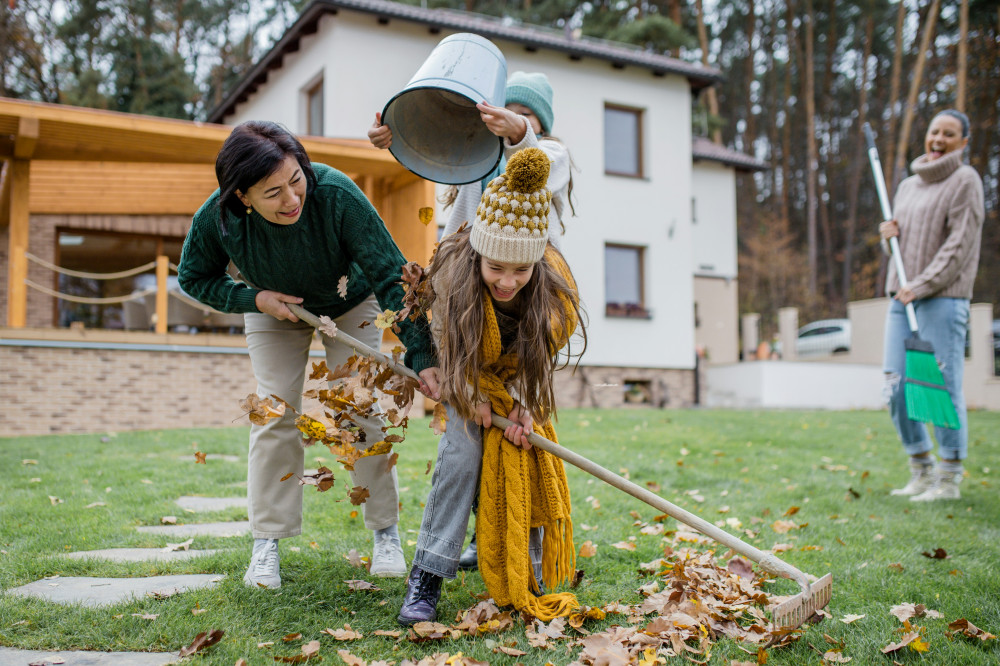
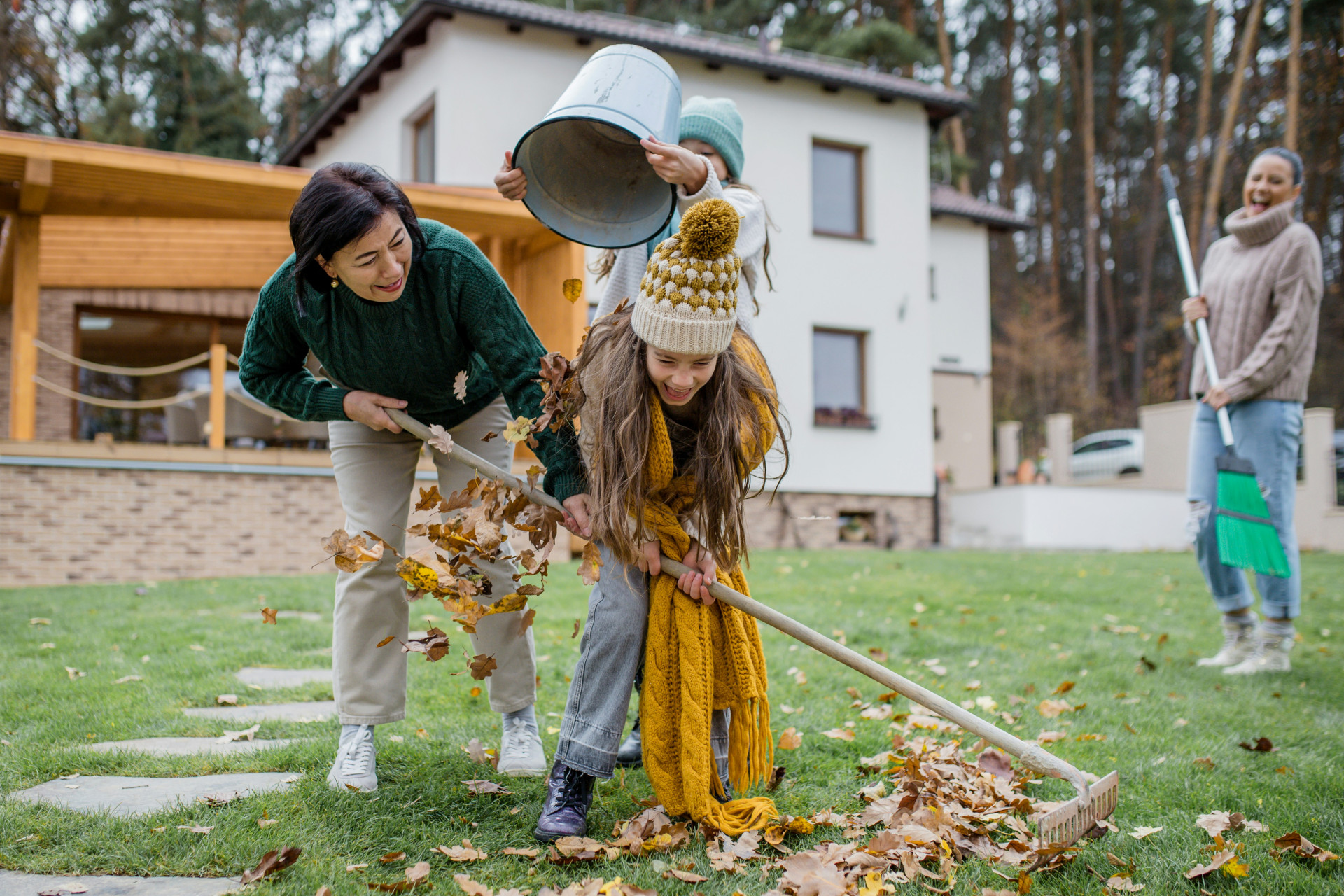
Begin by clearing your patio of furniture, planters, and décor. Sweep away leaves, twigs, and dirt so you can see what needs attention. Fallen leaves and moisture can quickly lead to stains, mildew, or slippery surfaces if left too long.
While you’re at it, inspect for any damage. Look for cracks in concrete, loose pavers, or splintering boards. Fixing small issues now prevents them from worsening when freezing temperatures arrive.
Clean According to the Material
The best cleaning method depends on what your patio is made of.
-
Wood Decking: Use a soft brush and a mild wood cleaner. Scrub along the grain and rinse thoroughly. Avoid using a pressure washer on high settings—it can damage the wood fibers. Once dry, consider applying a light coat of sealant or deck oil if the weather allows. This helps protect against moisture and frost.
-
Concrete or Paver Patios: Sweep first, then scrub with a stiff broom and a mix of water and patio cleaner. Remove moss and algae, especially between pavers. If you use a pressure washer, keep the pressure low to avoid washing away joint sand or damaging the surface.
-
Composite Decking: Composite materials are low-maintenance but still benefit from a wash with warm water and a gentle detergent. Skip harsh chemicals or abrasive cleaners that could scratch the surface.
Remove Moss and Algae
Fall’s damp conditions are ideal for moss and algae growth, which can make your patio slippery and unsightly. Treat affected areas with an outdoor cleaner designed for algae removal, or use a homemade mix of vinegar and water. Apply it to a dry surface, let it sit for a while, then rinse thoroughly.
To prevent regrowth, make sure your patio gets plenty of sunlight and airflow. Trim back overhanging branches or shrubs so the surface can dry quickly after rain.
Care for Your Outdoor Furniture
Once your patio is clean, turn your attention to your furniture. Wash it before storing it for the season. Wooden furniture can be treated with oil or sealant, while plastic and metal pieces just need a good cleaning and thorough drying.
If you have space, store furniture indoors or in a shed. If not, cover it with breathable, weather-resistant covers that keep out moisture but allow air circulation to prevent mold.
Læs også:



Protect Planters and Plants
Freezing temperatures can crack pots and damage plants that aren’t cold-hardy. Empty planters or move them into a garage or greenhouse. Perennial plants in containers can be wrapped in burlap or bubble wrap to insulate the roots.
Don’t forget to empty saucers and trays—standing water can freeze and cause pots to break.
Check Drains and Gutters
While you’re working outside, take a few minutes to clear out gutters and patio drains. Leaves and debris can block water flow, leading to puddles or ice buildup on your patio. Keeping drainage clear helps prevent water damage and slippery surfaces.
A Patio Ready for Winter—and Beyond
Once your patio is clean, dry, and protected, you can rest easy knowing it’s ready to face winter’s challenges. A bit of fall maintenance now saves you time and effort in the spring—and extends the life of your outdoor space.
So grab a broom, enjoy the crisp fall air, and give your patio the care it deserves. It’s a small investment that pays off in beauty and durability year after year.
Læs også: