Build Smart from the Start – Integrate Smart Home Solutions into Your New Construction

Build Smart from the Start – Integrate Smart Home Solutions into Your New Construction
When you’re building a new home, you have a unique opportunity to design for the future from the ground up. Smart home technology isn’t just about convenience or luxury—it’s about energy efficiency, security, and creating a living space that adapts to your lifestyle. By planning for smart systems during construction, you can avoid costly retrofits later and ensure your home is ready for tomorrow’s innovations.
Why Plan for Smart Technology During Construction?
Once the walls are up and the wiring is finished, adding smart home features can become complicated and expensive. By integrating these systems early, you can run cables, position sensors, and install control units in the most efficient way—so everything works seamlessly from day one.
A well-planned smart home can:
- Optimize energy use by automatically managing heating, cooling, and lighting.
- Enhance security with smart locks, cameras, and motion sensors.
- Increase comfort through automation—like dimming the lights and closing the blinds when you say “good night.”
- Future-proof your home so you can easily expand or upgrade your system as technology evolves.
Plan the Infrastructure – Wiring, Networking, and Central Control
Even though many smart home devices today are wireless, a strong infrastructure is still essential. Make sure your new home includes a robust network with both Wi-Fi and wired connections, especially for stationary devices like routers, hubs, HVAC systems, and entertainment centers.
You’ll also want to decide whether you prefer a centralized control system—such as a professionally installed platform—or a more flexible setup using wireless protocols like Zigbee, Z-Wave, or Matter. A centralized system requires more planning but often delivers greater reliability and smoother integration between devices.
Læs også:


Smart Solutions That Make Everyday Life Easier
A smart home doesn’t have to be complicated. Start with the features that bring the most value to your daily life.
- Lighting control: Motion sensors, dimmers, and schedules can save energy and create the right atmosphere.
- Climate control: Smart thermostats and sensors can adjust temperature and humidity based on occupancy and time of day.
- Security: Door and window sensors, cameras, and alarms can work together to alert you instantly if something’s wrong.
- Energy monitoring: Track your electricity usage in real time and identify opportunities to save.
- Voice control: Integrate with Amazon Alexa, Google Assistant, or Apple Home for hands-free operation.
Choosing open systems and devices that communicate across platforms helps you avoid being locked into a single brand or ecosystem.
Think Ahead – Flexibility and Upgradability
Technology changes fast, and what’s cutting-edge today may be outdated in a few years. That’s why it’s important to choose systems that can be updated and expanded. Look for products that support widely adopted standards, so you can add new devices without major renovations.
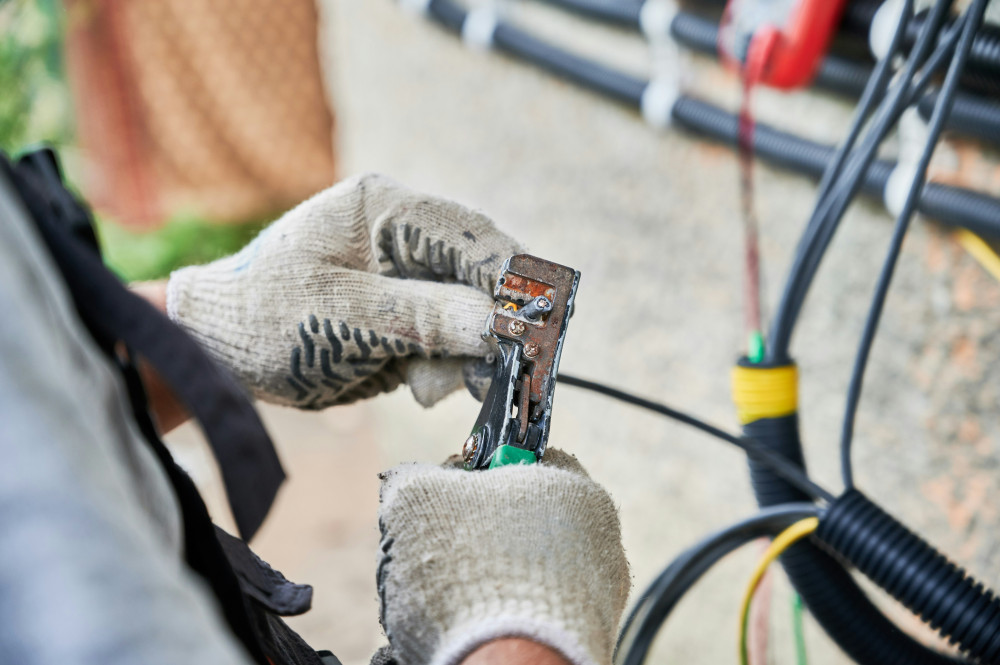
It’s also wise to consult with a licensed electrician or smart home specialist experienced in new construction. They can help you design a system that meets local building codes and ensures everything is installed safely and efficiently.
Make It Personal – and Easy to Use
A smart home should feel intuitive, not technical. Customize your system to fit your routines:
- Should the lights turn on automatically when you wake up?
- Should the thermostat lower when you leave for work?
- Do you want to check if the doors are locked while you’re on vacation?
The more your system reflects your habits, the more natural it becomes to use—and the more value you’ll get from your investment.
A Smart Investment in Comfort and Sustainability
Integrating smart home solutions into your new build isn’t just a tech upgrade—it’s an investment in comfort, security, and energy efficiency. By building smart from the start, you’ll create a home that’s ready for the future and adaptable to your needs for years to come.
Læs også: